
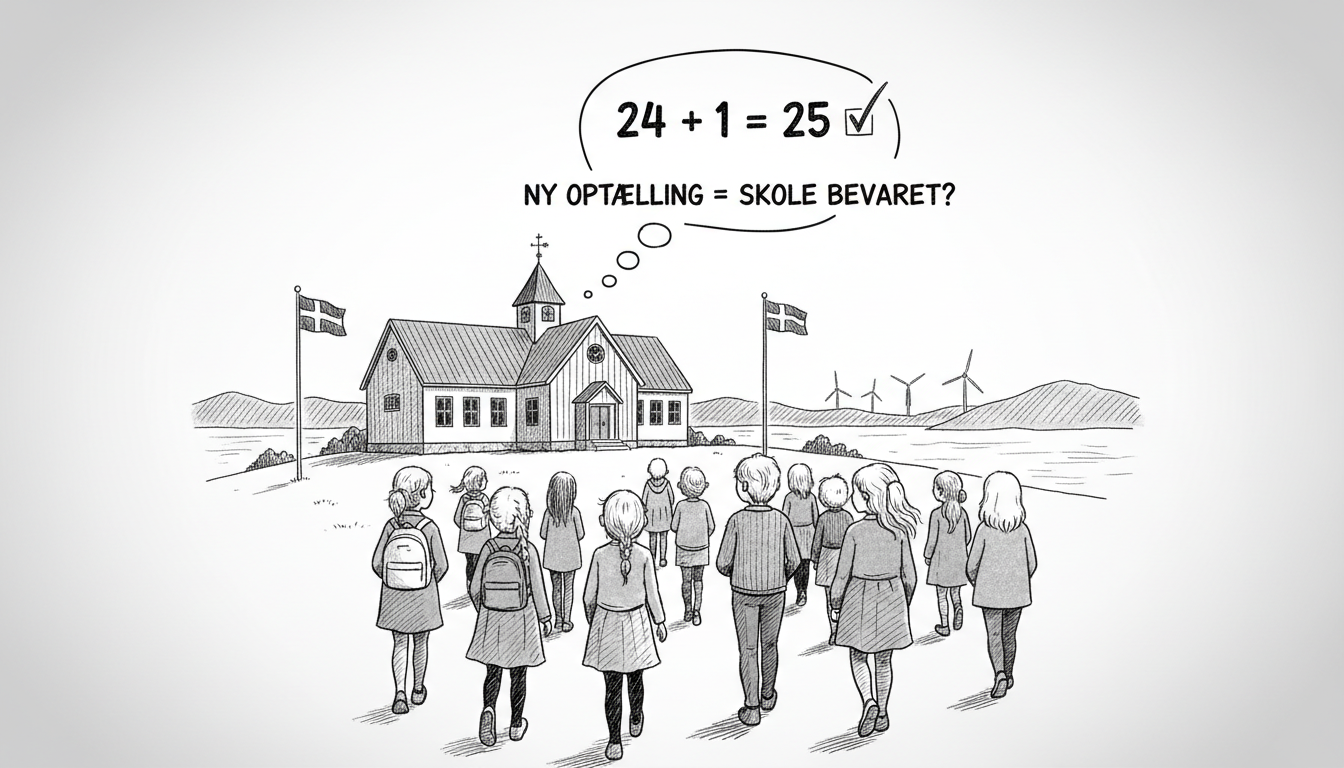
A small village school in Denmark's Thy region might avoid closure through a counting change. Bedsted School currently faces shutdown due to low enrollment numbers. Local politicians now propose counting special needs students differently.
The Thy Borgerlige party suggests including 40 special class students in official totals. This would raise enrollment from 63 to 106 students instantly. The school currently falls below the 75-student threshold for automatic closure.
Brian Nielsen from Thy Borgerlige explained their position. 'All children at the school should count,' he said in a statement. 'There shouldn't be an A-team and a B-team.'
The proposal follows heated community meetings where locals defended their school. Politicians faced strong criticism from parents and advocates.
Thisted Municipality rules require closure talks for schools under 100 students. Schools dropping below 75 students for two consecutive years face automatic shutdown.
The current 75-student threshold was approved two years ago by just one vote. Both Liberal and Social Democratic parties were divided on the issue.
Original documents reveal ambiguity about counting special needs students. Rules never specified whether to include them in enrollment figures.
Ib Poulsen from Danish People's Party supports the new counting method. 'Of course they should count because they're part of the school,' he confirmed.
Social Democrat Peter Skriver Nielsen also opposes closing Bedsted School. He hasn't revealed how he'll vote on Tuesday's proposal.
If approved, the new counting method would disrupt the current political process. Officials would need to decide whether to apply changes retroactively.
Peter Skriver Nielsen hopes the closure decision gets postponed. This would let the new municipal council address the issue after elections.
The public consultation period for Bedsted School's closure continues until October 29. The final closure vote is scheduled for November 26, one week after municipal elections.
This situation highlights how technical rule changes can dramatically affect rural communities. The outcome will set important precedent for other small schools facing similar challenges.