
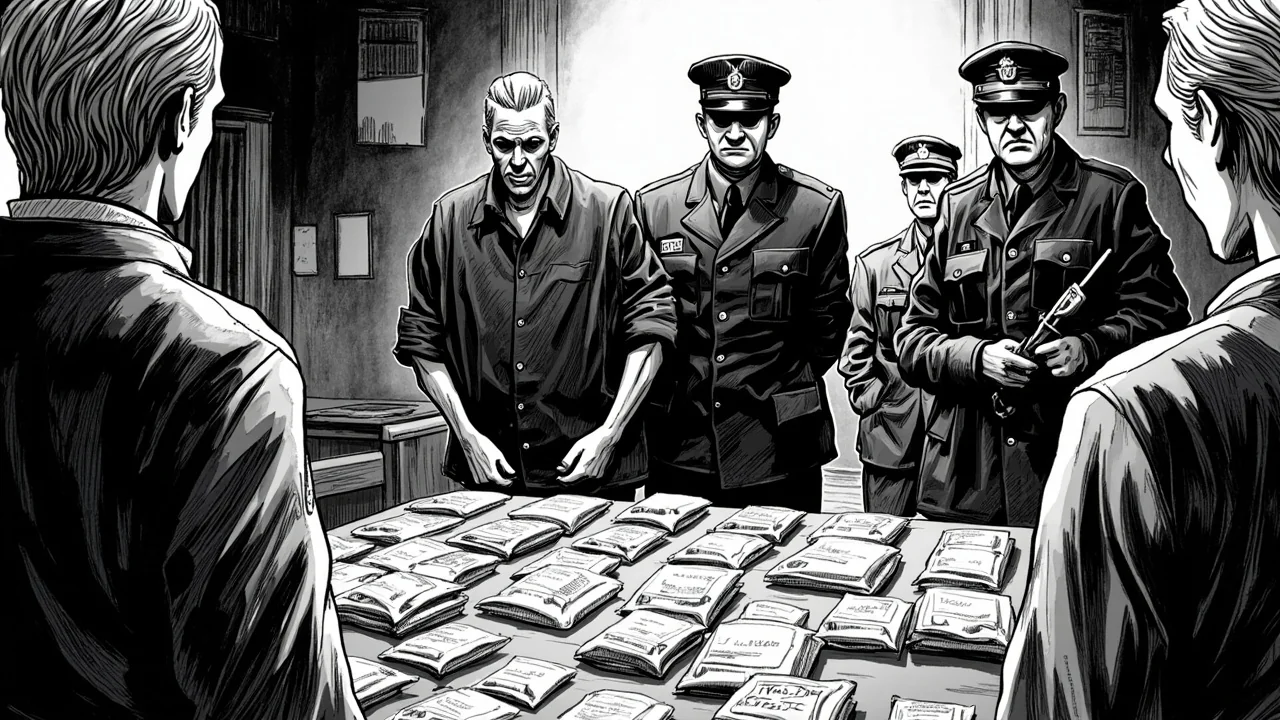
Norwegian police have dismantled a major cocaine trafficking network in Bergen after a covert investigation revealed deals involving at least 17.5 kilograms of the drug, equivalent to 700,000 user doses and a street value of up to 26 million kroner. Three men in their 20s and 30s now face charges for serious drug offenses and organized crime, with potential prison sentences of up to 21 years. The group used encrypted messages, intermediaries, and codenames like "Albert Einstein" to evade detection, but hidden surveillance and communication monitoring allowed authorities to track their movements from spring 2024 to spring 2025.
Covert Operation Uncovers "Albert Einstein"
Police launched a hidden investigation into the network after identifying suspicious activity between Eastern and Western Norway. The group operated with a high degree of sophistication, relying on encrypted messaging apps, code words, and aliases to conduct business. One of the central figures, a man in his 20s from Western Norway with prior drug convictions, used the nickname "Albert Einstein" in communications. This codename became a key identifier for police as they pieced together the network's structure. Prosecutor Finn-Erik Granli stated that the investigation focused on individuals with central roles in the distribution chain within the Bergen area. The police employed tools such as surveillance and communication control to gather evidence without alerting the suspects.
The investigation revealed that the network was responsible for significant cocaine shipments across the country. During the final months before police moved in, 11 kilograms of cocaine were transported over the mountains to Bergen. This flow of drugs highlighted the network's reach and operational scale. The covert phase of the investigation was critical, as it allowed police to map out the entire organization before making any arrests. Granli emphasized that the police constantly weigh decisions on when to intervene to maximize the impact on criminal operations.
Scale of the Drug Trafficking Operation
The 17.5 kilograms of cocaine seized in this case represent one of the larger drug busts in Norway's recent history. To put this into perspective, the Norwegian Customs Service seized 278 kilograms of cocaine in all of 2023. The largest single seizure ever recorded in Norway was 820 kilograms found at a banana warehouse operated by Bama, with an additional 150 kilograms discovered on the hull of a ship in Husnes. While this Bergen network's haul is smaller than those record busts, it stands out as a major operation in the region, underscoring the persistent challenge of cocaine trafficking in Norwegian cities.
In addition to cocaine, police confiscated marijuana, LSD, weapons, ammunition, and a luxury watch during raids. However, authorities believe that most of the profits from drug sales have already been spent or transferred abroad, with only a small amount of cash recovered. The network's ability to move large quantities of drugs over time suggests a professional and resilient operation. The table below summarizes key cocaine seizures in Norway for context:
| Case Description | Amount Seized | Year / Period | Notes |
|---|---|---|---|
| Bergen Network Bust | 17.5 kg | 2024-2025 | Part of a larger investigation |
| Norwegian Customs Total | 278 kg | 2023 | Annual seizure across the country |
| Bama Warehouse Seizure | 820 kg | Previous | Largest single bust in Norway |
| Husnes Ship Discovery | 150 kg | Previous | Found on ship hull |
Police Raids and Evidence Collection
In May 2024, police determined they had sufficient evidence and conducted coordinated raids on addresses in Vestfold, Rogaland, and Vestland counties. These operations led to the seizure of cocaine, firearms, ammunition, a luxury watch, and digital evidence pointing to a professional criminal network. The items found, including weapons, indicated the potential for violence within the group. Digital evidence from encrypted devices was particularly valuable, as it helped decrypt communications and confirm the roles of various members. The police action was timed to disrupt the network at a peak in its activity, preventing further distribution.
Prosecutor Granli noted that the investigation involved careful balancing acts, such as deciding when to intercept drug shipments versus allowing them to proceed to identify more participants. This approach is common in complex drug cases where dismantling the entire network is the goal. The raids also uncovered equipment used for drug packaging and distribution, suggesting a streamlined operation. Despite the seizures, the lack of significant cash on hand highlights how drug profits are quickly laundered or moved out of the country, posing a challenge for asset recovery.
Defendants and Legal Proceedings
The three charged men have partially admitted guilt, acknowledging their involvement in the network. The leader, a West Norwegian in his 20s with a prior drug conviction, faces the most severe charges. The other two defendants, also in their 20s and 30s, are accused of playing key roles in trafficking and logistics. All three are charged under Norway's penal code for serious drug violations and participation in organized crime, which carries a maximum penalty of 21 years imprisonment. Their partial admissions may influence sentencing, but prosecutors are seeking substantial prison terms given the scale of the operation.
Court proceedings are expected to delve into the specifics of the network's activities, including the use of encrypted technology. The defendants' legal teams may argue about the extent of their roles, but police evidence from surveillance and seized communications is likely to be compelling. This case serves as a reminder that even with advanced encryption, determined police work can penetrate criminal networks. The prosecution's focus on those with "central roles" aims to cripple the organization's hierarchy and deter similar operations.
Broader Context and National Implications
This Bergen network is linked to a larger investigation by Kripos, Norway's national criminal investigation service, targeting a cocaine network on the East Coast. The cross-regional nature of the trafficking—between Eastern and Western Norway—points to interconnected drug markets in the country. Police efforts to combat such networks often require coordination across districts and the use of specialized tools like communication interception. The success in Bergen may provide leads for other ongoing probes, particularly in understanding how cocaine enters Norway and is distributed domestically.
Norwegian authorities have increasingly focused on organized drug crime due to its ties to violence and social harm. The use of encrypted messaging by criminals has become a common challenge, but this case demonstrates that police can adapt with covert methods. As drug seizures remain high, with 278 kilograms intercepted by customs in 2023 alone, the pressure on trafficking networks continues. The Bergen bust, while significant, is just one part of a broader national strategy to reduce drug supply and associated crime.
The Future of Combating Encrypted Crime
As police wrap up this investigation, questions remain about how to stay ahead of criminals who constantly evolve their tactics. The "Albert Einstein" codename symbolizes the arrogance and sophistication of modern drug networks, but also their vulnerability when law enforcement dedicates resources to hidden surveillance. This case likely involved months of meticulous work to decrypt messages and track movements without detection. The outcome shows that while encryption poses hurdles, it is not an insurmountable barrier for determined investigators.
Looking ahead, Norwegian police may invest more in digital forensics and inter-agency cooperation to tackle similar networks. The partial admissions by the defendants could lead to quicker resolutions, but the fight against organized drug trafficking requires ongoing vigilance. With cocaine's street value driving lucrative profits, the incentive for criminals remains high. However, busts like this one in Bergen send a clear message: even the most guarded operations can be uncovered, and those involved will face severe consequences under Norwegian law.