
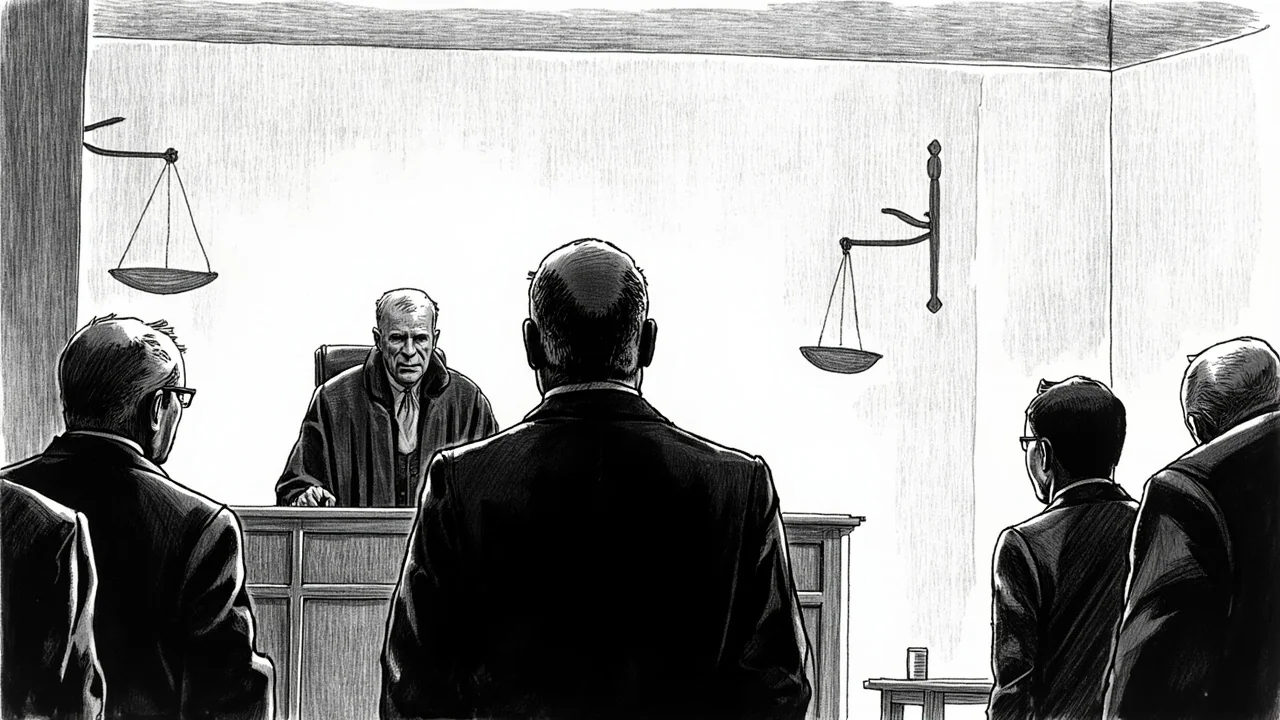
Norway's Borgarting Court of Appeal has sentenced the ex-husband of prominent politician Abida Raja to 14 years in prison. The court increased his original 13-year sentence for extensive domestic violence and rape spanning over two decades. The 54-year-old man was convicted of gross abuse against Raja and their four children from 1993 to 2015.
He must also pay nearly six million kroner in compensation and damages to the victims. The court noted his confessions came extremely late and carried little weight. This case represents one of Norway's most severe domestic violence sentences in recent years.
A Two-Decade Reign of Terror
The court's detailed judgment reveals a pattern of systematic abuse within the family home. Violence against Abida Raja and the children was not isolated but persistent over more than twenty years. The conviction includes charges of rape against Raja and gross relational violence against all five family members.
Legal experts note the sentence's severity reflects Norway's evolving approach to domestic crimes. "The court has sent a clear message that prolonged abuse within families warrants the strongest response," said a legal scholar specializing in violence cases. The 14-year term approaches Norway's maximum 21-year sentence for such offenses.
The Weight of a Late Confession
In its ruling, the Court of Appeal specifically addressed the defendant's delayed admission of guilt. "The confessions came very late and thus had no significance for the investigation or prosecution," the judgment states. This timing meant victims had already endured the full legal process of testifying and confronting their abuser.
The court acknowledged the confessions might hold some value for the victims' closure. It referenced the defendant's agreement to pay 300,000 kroner in compensation to each child as a related factor. Still, judges assigned these admissions "limited weight" in their final sentencing considerations.
This legal reasoning highlights Norway's focus on the investigative process. Confessions that spare victims from testifying receive greater consideration than those coming after conviction.
Compensation and the Path Forward
Financial penalties accompany the prison sentence, totaling nearly six million kroner. This sum includes both compensation for economic losses and damages for psychological suffering. Such awards are standard in Norwegian criminal cases but rarely reach this magnitude in domestic violence proceedings.
The compensation acknowledges the profound and lasting impact on Raja and her children. It aims to provide resources for therapy, support, and rebuilding lives shattered by long-term abuse. The defendant's two years in pre-trial detention will be deducted from his 14-year sentence.
Abida Raja, now a visible public figure, has not commented extensively on the appeal. Her political career has focused on integration, gender equality, and minority rights. This case inevitably casts a harsh light on the private suffering behind public personas.
Norway's Evolving Legal Landscape
This sentencing occurs amid ongoing national debates about domestic violence and immigrant community integration. Norway has strengthened penalties for relational crimes in recent decades, particularly following high-profile cases. The legal system increasingly recognizes the unique trauma of prolonged familial abuse.
"The sentence reflects society's growing understanding that home should be a safe place, not a prison," observed a researcher at the Norwegian Center for Violence and Traumatic Stress Studies. The court's willingness to increase the sentence on appeal signals judicial seriousness about these crimes.
Norway's approach combines punitive measures with extensive support systems for victims. The country maintains crisis centers, legal aid programs, and specialized police units for domestic violence cases. This infrastructure aims to address both immediate safety and long-term recovery.
A Personal Tragedy with Public Resonance
While the case centers on a family's private agony, its public dimensions are unavoidable. Abida Raja's political profile adds layers of complexity to the narrative. It raises difficult questions about the hidden suffering that can exist alongside public success.
The case also touches on sensitive issues of culture and integration. Raja, of Pakistani heritage, has been an outspoken voice for women's rights within minority communities. Her personal experience lends painful credibility to her political advocacy.
For Norway, the sentencing represents both a legal conclusion and a societal moment. It demonstrates the legal system's capacity to address complex, long-term abuse within families. The substantial prison term and financial penalties establish a clear precedent.
Yet the true measure of justice lies beyond the courtroom. For Abida Raja and her children, the sentence marks the end of a legal battle but not necessarily of personal struggle. Their path forward involves rebuilding trust and security shattered over two decades.
The case leaves Norway confronting uncomfortable realities about violence behind closed doors. It challenges assumptions about progress in gender equality and family safety. As the defendant begins his extended prison term, the victims continue their lifelong journey toward healing.
Norway's legal system has delivered its verdict. The longer, harder judgment of how society prevents such suffering remains ongoing. This case will likely influence future domestic violence prosecutions and policy discussions for years to come.