
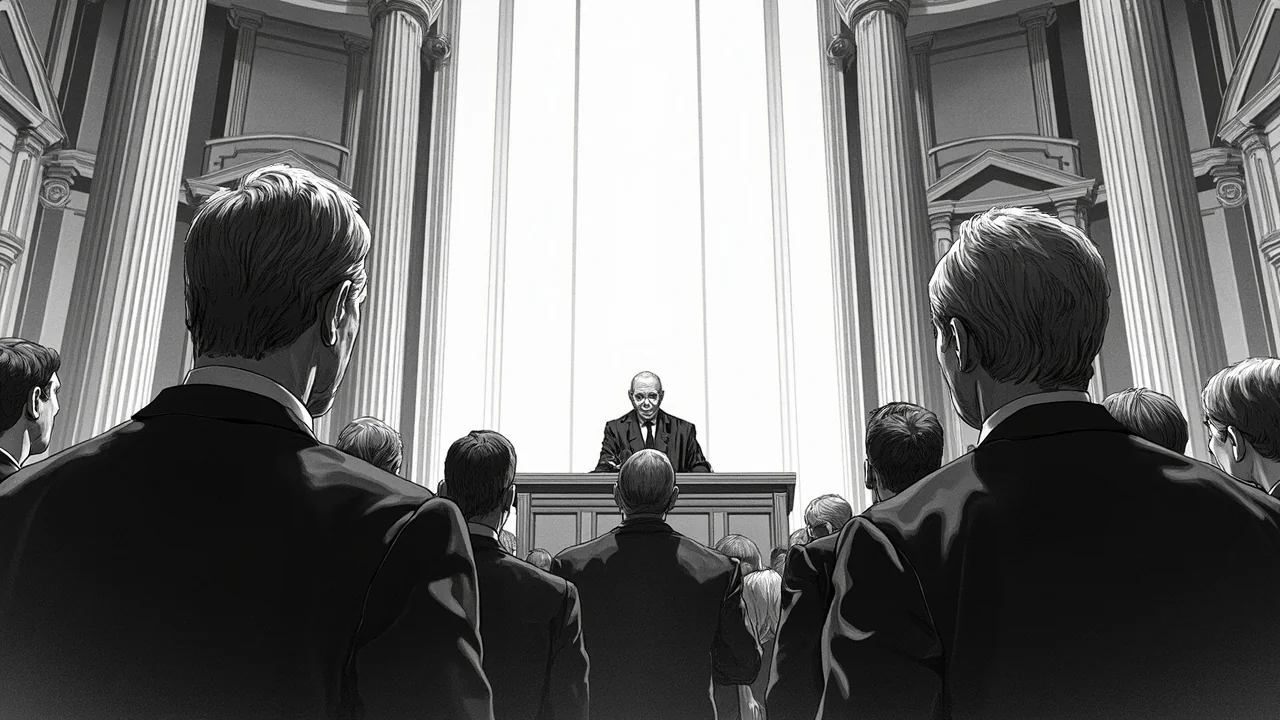
Norway court proceedings involving media accreditation took a pivotal turn this week as Oslo District Court decided not to expel Aftenposten and Dagbladet from the ongoing trial, despite confirmed breaches of the photography ban. The decision, delivered by Judge Jon Sverdrup Efjestad, emphasized procedural fairness over punitive measures during a sensitive legal process that has drawn national attention.
Breaches Occurred Early in Trial
The violations happened during the first week of the trial, specifically last Friday, when both newsrooms inadvertently captured images prohibited under Norway’s Court Administration Act. That law strictly forbids photographing defendants in criminal cases without their consent. Aftenposten photographer Olav Olsen took a photo from the hallway outside courtroom 250 just as sleep expert Ståle Pallesen exited the room—with defendant Høiby visible in the background. Olsen later told the court it was an accident, explaining he believed he was shooting from a permitted area.
Similarly, Dagbladet commentator Sigrid Hvidsten photographed a screen inside a press viewing room where Pallesen’s presentation was being broadcast. She admitted the act was impulsive and unintentional, but it still constituted a breach of the same courtroom photography rules. Both journalists were immediately stripped of their accreditation and removed from the courthouse following the incidents.
Prosecutor Pushed for Full Expulsion
Public prosecutor Sturla Henriksbø responded swiftly, requesting that Hvidsten—and all other Dagbladet representatives—be permanently barred from the remainder of the trial. His argument centered on maintaining the integrity of courtroom procedures and protecting the rights of those involved. However, Judge Efjestad declined to extend the sanctions beyond the individual journalists already removed.
“The point here is not to punish these media houses,” Efjestad stated. “There are still five weeks left in this main hearing, and many witnesses have yet to testify.” He underscored the emotional and psychological burden on participants—witnesses, victims, and the accused alike—who often dread appearing in court partly due to intense media coverage. Despite that anxiety, they remain legally obligated to attend.
Court Prioritizes Fair Process Over Discipline
In his ruling, the judge stressed the court’s duty to ensure the trial proceeds properly so that all facts can be fully examined and all parties protected throughout the process. “When violations occur—whether intentional or due to carelessness—they create insecurity for those who must come forward,” he said. Still, he noted that both outlets had submitted formal apologies and detailed internal measures to prevent future breaches.
The court accepted these corrective actions as sufficient grounds to allow Aftenposten and Dagbladet to retain their remaining accreditations. This means other reporters from the two news organizations may continue covering the trial from designated press areas, though neither Olsen nor Hvidsten will be permitted back inside the courthouse for the duration of the case.
Balancing Transparency and Privacy
The incident highlights the delicate balance Norwegian courts must strike between public transparency and individual privacy, especially in high-profile criminal trials. While the press plays a vital role in informing the public, strict rules exist to shield defendants and witnesses from undue exposure that could prejudice proceedings or deter testimony.
Courtroom 250, located in Oslo’s central courthouse near the Akerselva river, has been the focal point of this tension. The building itself—a mix of historic architecture and modern security infrastructure—has hosted several nationally significant cases in recent years. Each requires meticulous coordination between judicial staff, law enforcement, and accredited media to uphold both legal standards and journalistic access.
Judge Efjestad’s decision reflects a broader judicial philosophy in Norway: that procedural errors, when acknowledged and corrected, should not automatically trigger exclusionary penalties—especially when doing so might limit public oversight of the justice system. The court’s priority remains ensuring a fair, complete, and dignified trial, even amid logistical and ethical challenges posed by media presence.
What Comes Next for Press Coverage
With five weeks of hearings still ahead, the court will likely maintain heightened scrutiny over press conduct. Journalists covering the case must now operate under stricter self-monitoring, aware that any further breaches could prompt harsher consequences. Both Aftenposten and Dagbladet have reportedly reinforced internal briefings for their court reporters, emphasizing the precise boundaries of permissible photography and recording.
Meanwhile, the trial itself continues to unfold with testimony from medical and forensic experts, including the sleep specialist whose presentation inadvertently triggered the photo violations. The case involves serious charges, though details remain under partial reporting restrictions to protect the integrity of the judicial process.
As Norway watches, the episode serves as a reminder that even routine journalistic acts—like snapping a quick photo—carry legal weight inside a courtroom. And while the court chose leniency this time, the message is clear: accreditation is a privilege, not a right, and it hinges on strict adherence to the rules designed to protect everyone in the room.
Will this incident lead to revised media guidelines for future high-profile trials in Oslo? Or will it simply reinforce existing protocols through cautionary example? For now, the press remains inside—but on tighter leash.
Read more: Norway Oil Fund Loses $40B as Tech Bet Backfires.
Read more: Norway Submarine Base Faces Power Grid Rejection Crisis.