
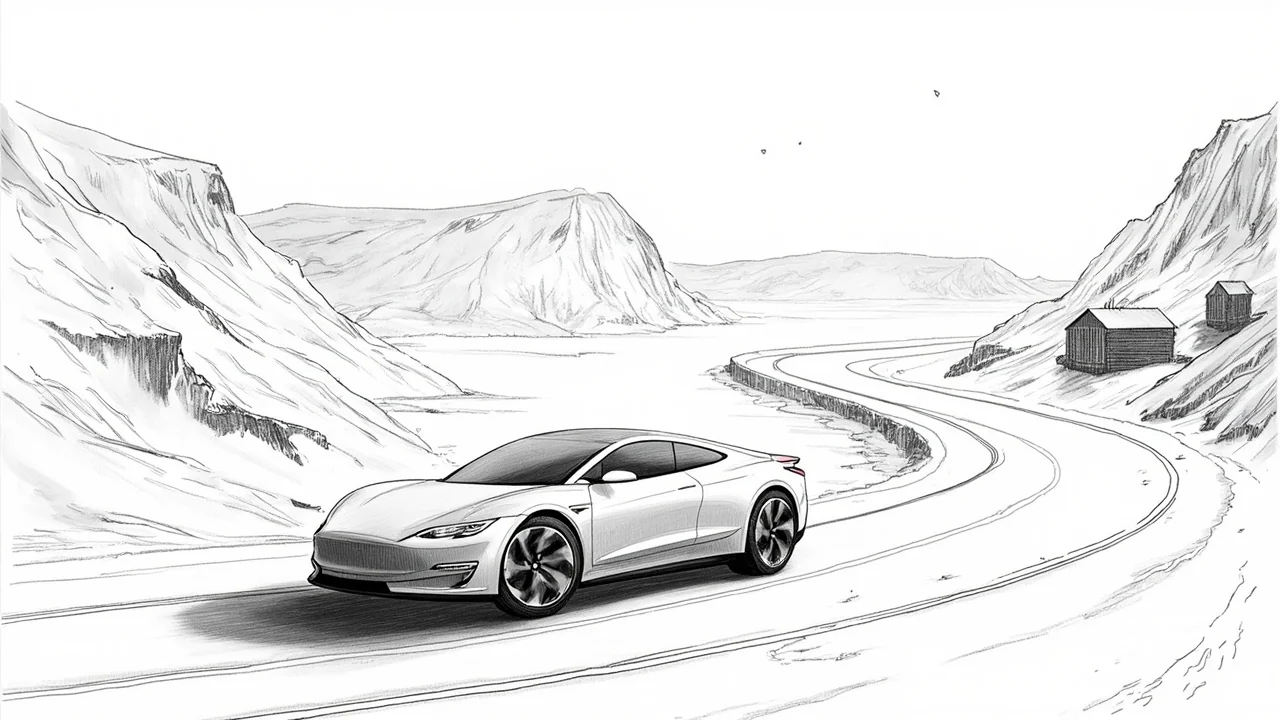
Norway's reduction of the value-added tax limit on electric cars to 300,000 kroner has significantly increased the number of models available without tax in 2026. This policy shift, implemented by the Oslo government from January 1, 2025, directly responds to consumer demand for more affordable zero-emission vehicles. It comes amid record new car sales last year, driven by the incentive. For Norwegian families, the change means a broader selection of electric cars can now be purchased without the 25% VAT, making sustainable transport more accessible. The move reflects a deliberate political strategy to accelerate the country's transition away from fossil fuels, even as Norway remains a major oil and gas producer.
A Strategic Move for Electric Mobility
The Storting, Norway's parliament, approved the lowering of the VAT threshold from 500,000 to 300,000 kroner as part of broader climate agreements. This adjustment targets mid-priced electric vehicles, expanding options beyond smaller city cars. Government officials, speaking from the Parliament building in Oslo, framed the decision as essential for meeting national emissions targets. They noted that Norway aims for all new passenger cars sold to be zero-emission by 2025. The policy is designed to sustain market momentum after years of subsidies fueled electric adoption. It also addresses criticisms that previous incentives primarily benefited luxury EV buyers, thereby broadening the policy's appeal.
Record Sales and Market Dynamics
New car registrations in 2025 reached a historic high of 179,549 first-registered passenger cars. This surge was bolstered by the VAT limit change, which took effect at the start of the year. Automotive industry reports indicate that dealerships across Norway, from Oslo to Bergen, have seen increased foot traffic. The expanded tax-free selection includes several models from various manufacturers that now fall under the 300,000 kroner cap. Market analysts observe that this has intensified competition among automakers to offer compliant vehicles. The record sales figure underscores how fiscal policy can rapidly influence consumer behavior and accelerate electric vehicle uptake.
Energy Policy and Political Context
This VAT adjustment intersects with Norway's complex energy landscape. While the government promotes electric mobility, it continues to oversee substantial oil production from fields like Johan Sverdrup in the North Sea. Storting members from both coalition and opposition parties have debated the balance between supporting green tech and managing hydrocarbon revenues. Some politicians argue that such incentives are funded by oil wealth, creating a paradoxical dependency. The policy also aims to reduce domestic oil consumption, aligning with Norway's commitments under international climate agreements. References to Arctic policy emerge, as reduced emissions contribute to preserving northern regions like Svalbard from environmental impacts.
Broader Economic and Environmental Impact
The VAT exemption policy carries significant implications for Norway's economy and energy markets. By reducing upfront costs for electric cars, it encourages faster replacement of internal combustion engine vehicles. This shift lowers domestic demand for petroleum products, potentially freeing more oil for export. However, it also requires careful fiscal management, as VAT revenues from car sales may decline. The Storting's finance committee has monitored these effects, emphasizing the need for balanced budgets. Environmentally, increased electric vehicle use contributes to lower urban pollution in Oslo and other cities. It also supports Norway's goal of cutting greenhouse gas emissions by 55% by 2030 compared to 1990 levels.
Conclusion: A Calculated Policy Success
Norway's approach to electric vehicle incentives demonstrates how targeted fiscal measures can drive rapid market transformation. The lowered VAT threshold to 300,000 kroner has already proven effective, with record sales and an expanded tax-free selection for 2026. This policy, rooted in political consensus within the Storting, reflects a pragmatic blend of environmental ambition and economic realism. As Norway continues to navigate its dual identity as an oil giant and green tech champion, such policies will shape its energy future. For now, Norwegian car buyers have more reasons than ever to choose electric, marking another step in the country's determined march toward sustainable transport.