
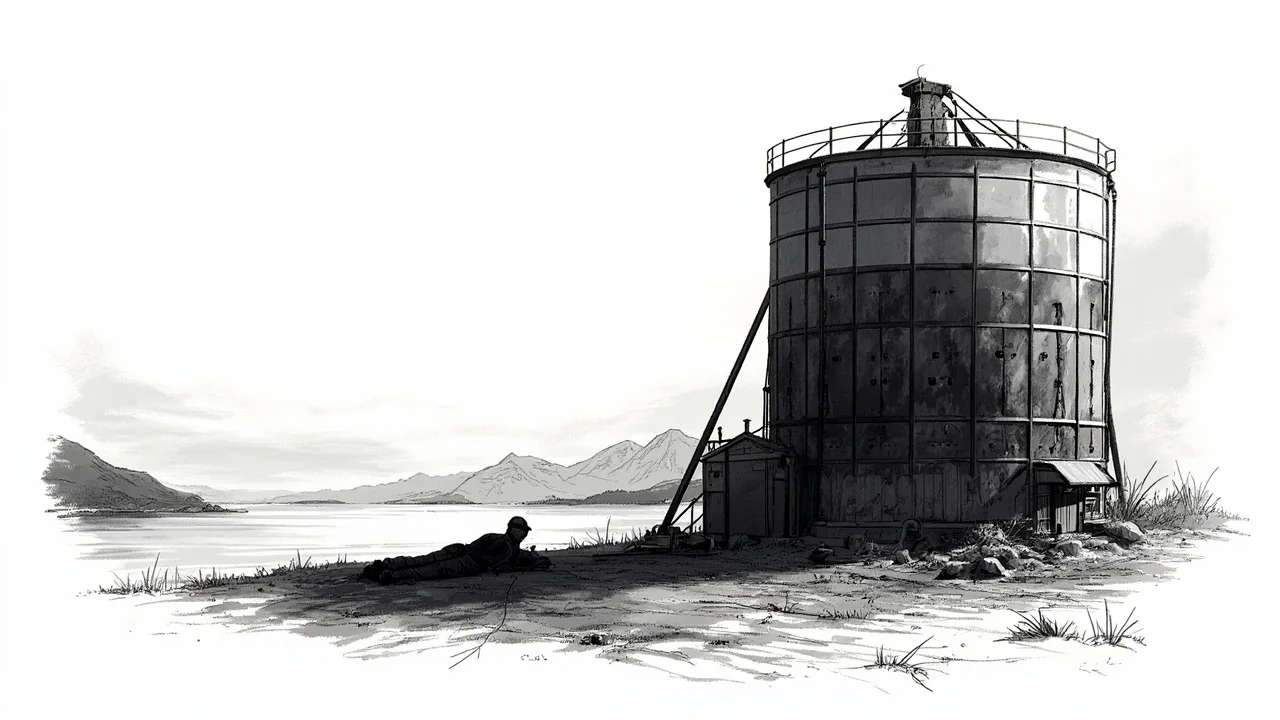
A 60-year-old man was found dead inside a fertilizer tank on a farm in Stad municipality, Vestland, on Monday afternoon. The man's wife made the discovery and alerted authorities at 4:12 PM, prompting a police response to the rural property. Police are treating the incident as a fatal workplace accident.
A Tragic Discovery on the Farm
Operational manager Knut Dahl-Michelsen confirmed the basic details of the case in a brief statement. "Police are handling the incident as a work accident," Dahl-Michelsen said. Officers cordoned off the area and conducted an initial investigation at the scene. The man's next of kin have been notified, though police have not released his identity, respecting the family's privacy during what they described as a difficult time.
This single incident brings the human cost of agricultural work into sharp, painful focus. Farms in Norway's rugged western counties, where small family-run operations are common, involve daily work with heavy machinery, livestock, and chemical storage systems. The specific type of tank involved and the exact circumstances leading to the man's entry remain under investigation by both police and likely the Norwegian Labour Inspection Authority.
The Silent Hazards of Agricultural Work
While dramatic offshore oil platform incidents often dominate Norway's workplace safety discourse, agriculture remains one of the country's most hazardous sectors. According to national statistics, the risk of fatal accidents in agriculture, forestry, and fishing is significantly higher than the national average for all industries. Workers in these fields routinely handle potent chemicals, operate complex machinery, and work in isolation—a combination that demands constant vigilance.
Fertilizer tanks, specifically, present a range of dangers. These can include the risk of engulfment and suffocation in granular material, exposure to toxic gases released from certain types of fertilizer, or oxygen-deficient atmospheres within enclosed spaces. Proper safety protocols for entering such confined spaces are strict, typically requiring atmospheric testing, continuous ventilation, and a standby observer.
A Community in Mourning
The death has sent a shockwave through the tight-knit community of Stad, an area known for its challenging weather and resilient farming families. Local mayor in Stad municipality was expected to comment on the loss, acknowledging the profound impact such an event has on a small community where everyone is connected. Neighbors and fellow farmers often form the backbone of support in these tragedies, providing practical help with livestock and crops while a family grieves.
"When something like this happens, the whole district feels it," said a local community leader, speaking on background about the area's character. "It's a reminder of the risks people take every day to work the land and put food on the table for the rest of us." The victim, a man in his sixties, likely represented a lifetime of experience working on the land—experience that underscores how familiarity with a daily routine can sometimes intersect with unexpected peril.
Investigating the Circumstances
The police investigation will seek to establish a clear timeline and determine the exact cause of death, which will be confirmed by a forensic examination. Simultaneously, the Norwegian Labour Inspection Authority (Arbeidstilsynet) will almost certainly launch its own parallel investigation. Their focus will be on whether all relevant workplace safety regulations were followed, including the Norwegian Regulations concerning the Performance of Work (Arbeidsutførelseforskriften), which detail requirements for risk assessment and safe work procedures, especially for hazardous tasks like entering tanks or silos.
These regulations mandate that employers identify potential hazards, implement measures to eliminate or reduce risk, and ensure employees are properly trained and equipped. The investigation will look at the equipment on site, any safety protocols that were in place, and whether a risk assessment was conducted prior to the task being undertaken. The findings could lead to orders for changes on the farm or, in cases of severe negligence, legal prosecution.
A National Pattern of Preventable Loss
This fatality is not an isolated event in Norwegian agriculture. Each year, several deaths occur on the nation's farms. Common causes include tractor rollovers, accidents with machinery like combine harvesters, encounters with livestock, and, as in this case, incidents involving confined spaces or chemical exposure. The Nordic country prides itself on high safety standards, particularly in its flagship oil and gas industry, but achieving that same level of consistent safety culture on every remote farm is an ongoing challenge.
Safety campaigns and resources from organizations like the Norwegian Agricultural Advisory Service (Norsk Landbruksrådgivning) constantly stress the importance of stopping to think through tasks, especially those performed alone. They advocate for using safety guards on all machinery, proper maintenance, and never taking shortcuts with established safety procedures. Yet, the pressure of weather, economics, and the solitary nature of the work can sometimes lead to fatal compromises.
The Road Ahead for a Grieving Family
For the wife who made the terrible discovery, and the rest of the man's family, the immediate future involves navigating profound grief while also dealing with the practical aftermath. This includes cooperation with investigators, funeral arrangements, and the daunting question of the farm's future. The emotional trauma of finding a loved one in such circumstances is immense and will require significant long-term support from community health services.
Beyond the personal tragedy, this death will prompt a renewed discussion within agricultural cooperatives and safety forums across Vestland. It serves as a stark, tragic reminder of the lethal hazards that exist just steps from the farmhouse door. As the investigation continues, the core question remains: in an industry built on feeding the nation, how can every possible measure be taken to ensure those who work the land return home safely at the end of the day? The search for that answer continues, even as one family in Stad begins an unimaginable life without their loved one.