
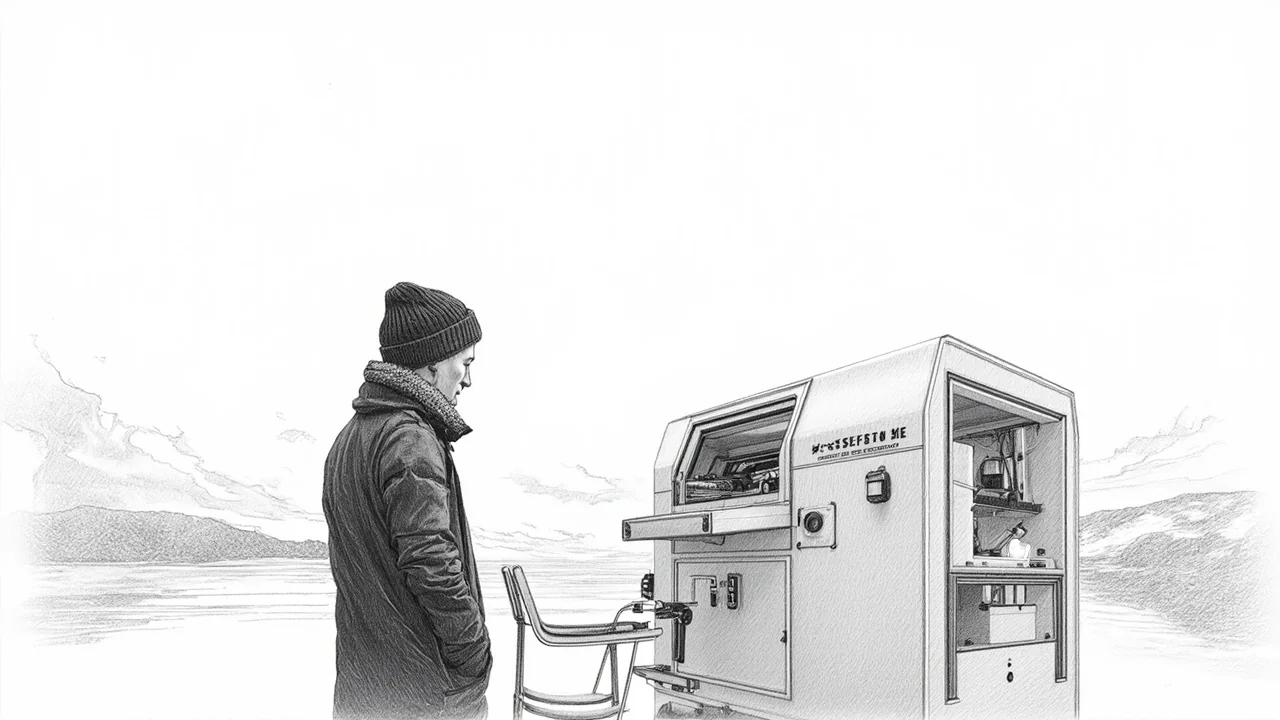
Norway's SATS fitness chain is removing all GHD machines from its centers nationwide following a serious accident. The decision affects 29 pieces of equipment used for training glutes and hamstrings after a 62-year-old man hit his head on concrete when a machine failed during a workout last November.
Kristin Fjeld, Nordic PR chief for SATS, confirmed the temporary removal. "Based on the information we have now received, we have decided to take all our machines of this type temporarily out of use," Fjeld said in a statement. The company had previously confirmed that the specific machine involved in the November incident had a fault.
A Nationwide Safety Precaution
The removal is a precautionary measure extending across SATS's entire Norwegian operation. This swift, nationwide action reflects a standard safety protocol in the Norwegian fitness industry, where customer welfare typically triggers immediate operational reviews. The decision was made internally after SATS received new information about the incident or the equipment.
Parallel action is underway in Denmark, where SATS has also asked its centers there to remove the GHD machines. This indicates the company is applying a consistent regional safety standard across its Nordic operations. The move temporarily limits specific training options for members but prioritizes eliminating potential risk.
Understanding the GHD Machine
GHD stands for 'glute ham developer,' a descriptive name for its primary function. The apparatus is designed to isolate and strengthen the posterior chain muscles, specifically the glutes and the hamstrings at the back of the thigh. Exercises performed on it often involve back extensions and glute-ham raises, which require stability from the machine itself.
The nature of the exercises means any failure in the machine's adjustment mechanisms, padding, or structural integrity could lead to a loss of balance or support. This poses a significant fall risk, especially if the user is positioned at a height. The November accident, where the user struck concrete, underscores the severe consequences of such a failure.
Corporate Responsibility in Focus
This incident places corporate responsibility and equipment maintenance squarely in the spotlight. For a major player like SATS, which operates multiple centers across Scandinavia, equipment safety is a foundational aspect of its service. The proactive removal of all units of a specific model, rather than just inspecting them on-site, suggests a decisive approach to risk management.
"We have decided to take all our machines of this type temporarily out of use," Fjeld's statement is a clear example of crisis communication, aiming to demonstrate control and a member-first policy. It acknowledges the problem and outlines the concrete step being taken without unnecessary delay. This approach is common in Norway's consumer-facing sectors, where transparency is expected.
The Path Forward for Members and Machines
The immediate impact is the absence of this specialized equipment in SATS centers. Members who regularly used the GHD for their training routines will need to adapt, using alternative exercises or machines to target the same muscle groups. Fitness trainers at the centers can provide guidance on safe alternatives.
The long-term path for the machines themselves remains unclear. SATS has described the removal as "temporary." The next steps likely involve a detailed technical investigation, possibly in cooperation with the equipment manufacturer, to determine the root cause of the failure. Depending on the findings, the machines could be retrofitted, repaired, or permanently replaced with a different model or brand.
This process will be closely watched, as it reflects how large fitness chains manage supply chain and equipment safety issues. The outcome will influence member confidence and set a precedent for handling similar situations in the future. The speed and thoroughness of SATS's response will be part of that evaluation.