
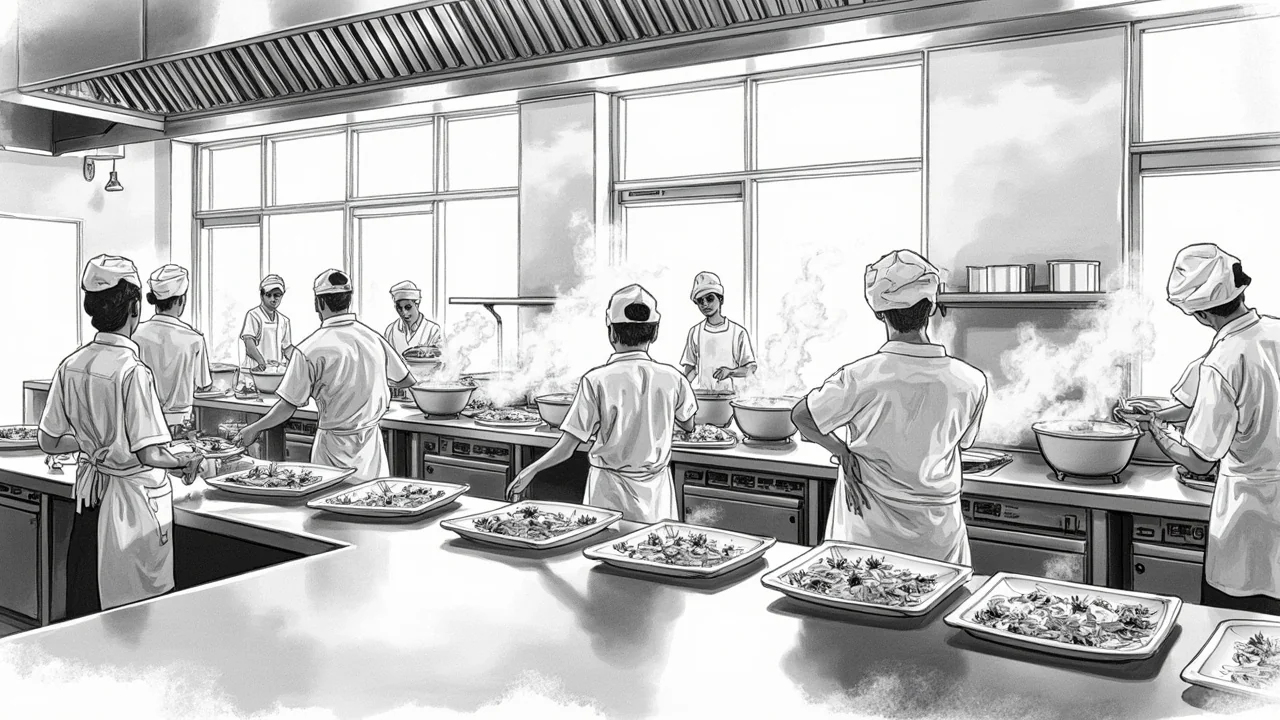
Norway's hospital food system is shifting from infamy to innovation at Drammen sykehus, where 1,200 patient meals daily are ordered via QR code menus. This model challenges decades of criticism over unappetizing and unhealthy options in medical institutions, placing choice and quality at the center of patient care.
A Legacy of Culinary Complaint
Hospital food in Norway has long been a target for scorn. Author and food enthusiast Gry Hammer wrote in a newspaper column last year that you did not need to travel to Switzerland for assisted dying. You could get it by eating the food offered at Norwegian hospitals. Food blogger Ine-Janine Johansen pointed out that at Norway's leading cancer hospital, unhealthy choices in kiosks and vending machines still prevailed. She noted patients were pursued by the smell of hot dogs on their way to chemotherapy. These stark critiques highlighted a systemic issue where nutrition was often an afterthought in healing environments.
The Drammen Model: Choice on Demand
When the new Drammen hospital opened last year, food was made a priority. Kitchen chef Erlend Eliassen explained their approach. Patients have meaningful jobs here, he said. Food has a lot to say for how quickly you recover, for example after operations. This is something other than what you associate with hospital food. On bedside tables, a poster with a QR code allows patients to scan with their phone. They access a menu card, just like in a server-less restaurant. There we have meatballs of course, but also chicken with herb-roasted potatoes and root vegetables, and steamed salmon. We also have several vegan dishes, Eliassen said. Patients can also choose when they want to eat, so it can be adapted to the day's treatment. If someone cannot order themselves, they get help from a nurse.
Autonomy in Recovery
Eliassen emphasized the psychological benefit. It is a fine way to be able to control your own everyday life. What shall I eat for lunch today? Perhaps I feel like chicken for lunch and meatballs for dinner. It gives a freedom to control that part of your life. This system moves away from rigid meal times and limited options. It acknowledges that patient well-being extends beyond medical procedures. The ability to make simple dietary choices can foster a sense of normalcy and control during hospitalization.
From Fine Dining to Hospital Plates
One of the cooks at the hospital, Eduardo Clerisse, previously worked at a Michelin-starred restaurant in Germany. He acknowledged this was something completely different. But it is important for me that our job is not just to make fancy food for people who are going to enjoy themselves. This is something that is important for the patients. When asked his opinion on the food, Clerisse responded. I think it is very good, we can be proud of what we do. We make sure everything we prepare is safe and good. His presence underscores a commitment to culinary standards typically reserved for the hospitality industry, now applied within a healthcare setting.
Operational Insights and Broader Interest
The hospital has drawn inspiration from a model in Sweden. Representatives from other hospitals and municipal institutions have been on tours in Drammen to see the kitchen operations. There is a good atmosphere in the kitchen, the source material notes. This interest suggests a potential ripple effect across Norway's public health sector. The model presents a tangible solution to a chronic problem, one that balances logistical demands with patient-centered care. It demonstrates that institutional food service need not be monolithic or poor.
The Core Principle: Food as Medicine
Eliassen's statement ties the initiative directly to health outcomes. The link between proper nutrition and recovery is well-established, yet often underexploited in hospital management. By offering diverse, palatable meals tailored to patient preference, Drammen sykehus is operationalizing this principle. The menu includes traditional Norwegian staples alongside contemporary dishes, ensuring cultural familiarity and dietary variety. The vegan options cater to growing dietary trends and ethical choices.
Challenges and Patient Assistance
The system is designed for inclusivity. For patients unable to use the digital platform, nurses provide ordering assistance. This ensures no one is excluded from the improved service due to technological or physical barriers. The flexibility in meal timing accommodates unpredictable hospital schedules, such as delays in surgery or therapy sessions. This logistical consideration is crucial for practical implementation and patient satisfaction.
A New Standard for Norwegian Healthcare
Drammen sykehus has positioned itself as a case study. The visits from other institutions indicate a readiness for change elsewhere. The criticism from figures like Gry Hammer and Ine-Janine Johansen served as a catalyst, highlighting a public demand for better standards. This hospital's response is a direct answer to that demand. It shows a proactive shift in how ancillary services are valued within the healthcare system.
Looking Beyond the Kitchen Walls
The implications extend beyond food quality. This initiative touches on patient dignity, autonomy, and the holistic experience of care. In a system often criticized for being impersonal or bureaucratic, such innovations can humanize the patient journey. The use of familiar technology like QR codes makes the process accessible and modern. It reflects a broader trend of digital integration in public services.
The Future Plate
As other hospitals observe Drammen's model, the question remains how quickly and widely such changes will spread. The core idea—that good food accelerates healing—is simple yet transformative. For Norwegian patients, the era of grim hospital meals may be ending, one scanned code at a time. The success here could redefine priorities in public health procurement and service design nationwide.