
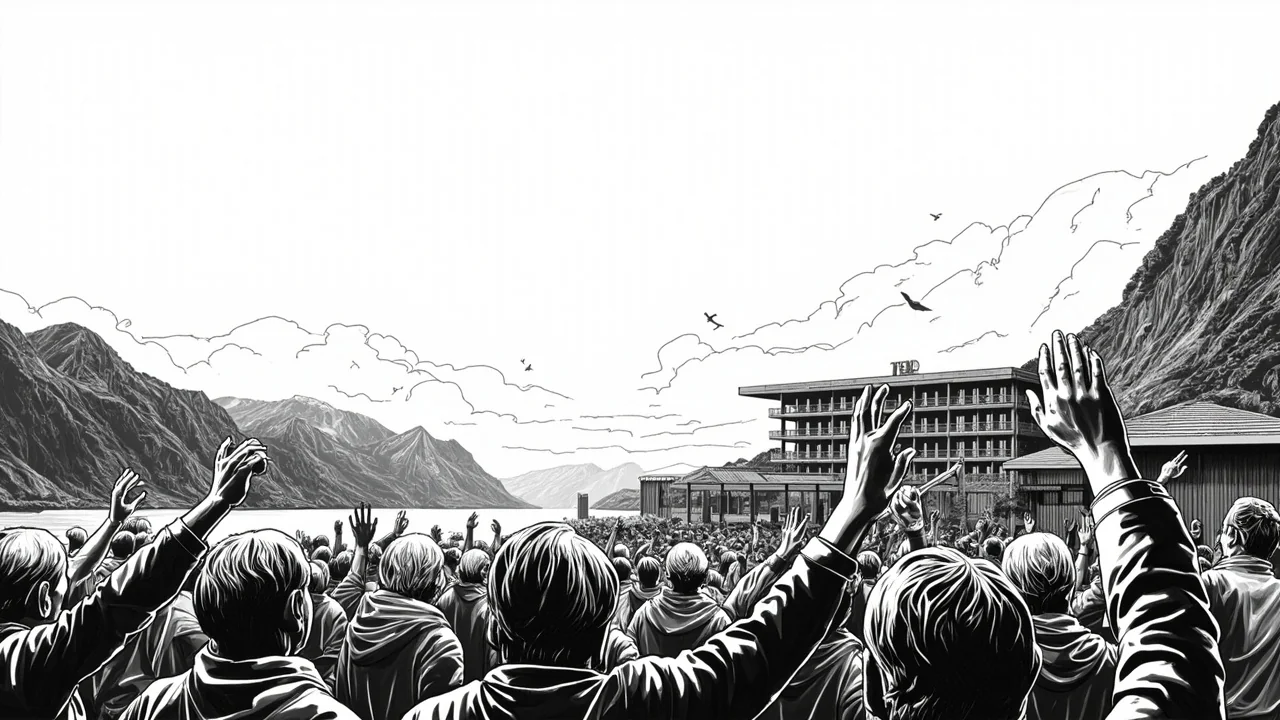
Norway's picturesque coastal municipality of Os is facing a significant local revolt as plans for a major 220-room hotel development ignite fierce opposition from residents who say the scale is overwhelming. The proposed ten-story building, which would fundamentally alter the quiet community, has prompted a flood of formal complaints to the municipal council, with neighbors arguing it directly threatens their privacy and quality of life.
A Conflict Over Community Character
At the heart of the dispute is a stark clash between development ambitions and the preservation of local living standards. Residents in the affected area describe a proposal that feels outsized and intrusive for their community. One of the most vocal concerns centers on privacy, with neighbors stating the hotel's planned footprint would bring commercial activity and strangers uncomfortably close to their homes. "We're talking about a reception area positioned directly opposite my living room," said one resident, capturing the visceral fear of many. The sentiment is widespread, with opponents arguing that a ten-story structure is grossly disproportionate for the area and would cast long shadows, both literally and figuratively, over the existing residential zones.
The Mechanics of Municipal Planning
This conflict now enters the formal arena of Norwegian municipal planning law, a process that is public, detailed, and often protracted. The developer's application triggers a standard consultation phase, where all impacted parties and the general public can submit official objections. The volume of complaints already received indicates a highly engaged and concerned citizenry. The planning department in Os must now meticulously review these objections alongside the developer's technical reports on traffic, environmental impact, and zoning compliance. The case highlights the tension local governments routinely navigate between encouraging economic investment through new projects and upholding their duty to protect citizens' welfare and existing community plans. The final decision will rest with the municipal councilors, who must weigh the promised economic benefits—like jobs and increased tourism spending—against the concrete grievances of their constituents.
Economic Promise Versus Personal Peace
The developer's case will likely hinge on classic economic arguments: job creation during construction and operation, increased tax revenue for the municipality, and the potential to attract more tourists to the Os region. Proponents might argue that modern tourism infrastructure is necessary for the area to thrive and that the hotel could serve as an anchor for further beneficial development. However, residents counter that this specific project's cost is too high. Their objections are not abstract NIMBY-ism but specific concerns about daily life. They point to potential traffic congestion on local roads not designed for such volume, increased noise pollution, and the fundamental alteration of their neighborhood's atmosphere from a quiet residential area to a busy tourist hub. The question for planners is whether the project can be modified to mitigate these impacts or if the gulf between the proposal and the community's tolerance is simply too wide.
A Broader Pattern Along the Coast
The situation in Os is not an isolated incident but part of a recurring pattern along Norway's attractive coastline. As municipalities seek to capitalize on tourism, disputes between developers and residents over the scale and placement of new hotels, cabins, and attractions have become commonplace. From the fjords to smaller coastal towns, communities are grappling with how to grow sustainably without sacrificing the very qualities that make them desirable places to live and visit. Each case becomes a local referendum on development priorities. The outcome in Os could therefore set a persuasive precedent for similar municipalities, signaling how much weight is given to concentrated local opposition when faced with a developer's blueprint.
The Road to a Decision
With the complaint period active, the immediate next steps are administrative. The planning authority will compile and categorize all public feedback, requesting clarifications or revisions from the applicant where objections are deemed substantive. This can lead to a redesigned proposal with reduced height or altered layout, or it can harden positions on both sides. If the council eventually approves the plan despite objections, residents may explore avenues for appeal to a higher administrative body. The process ensures due diligence but also guarantees a timeline extending months, if not longer. During this period, the debate will continue in local meetings and media, testing the community's cohesion.
A Question of Legacy and Home
Ultimately, the controversy transcends zoning codes and economic forecasts. It is a debate about the future identity of a place. For residents, their homes and neighborhoods represent a personal investment and a chosen way of life. The prospect of a massive hotel dominating their view and their street represents a profound disruption. For the municipality and the developer, the project represents progress, growth, and future viability. The council's eventual decision will reveal which vision holds more weight in contemporary Norway: the right to undisturbed residential peace or the imperative for commercial development. The answer will be written into Os's skyline for decades to come.