
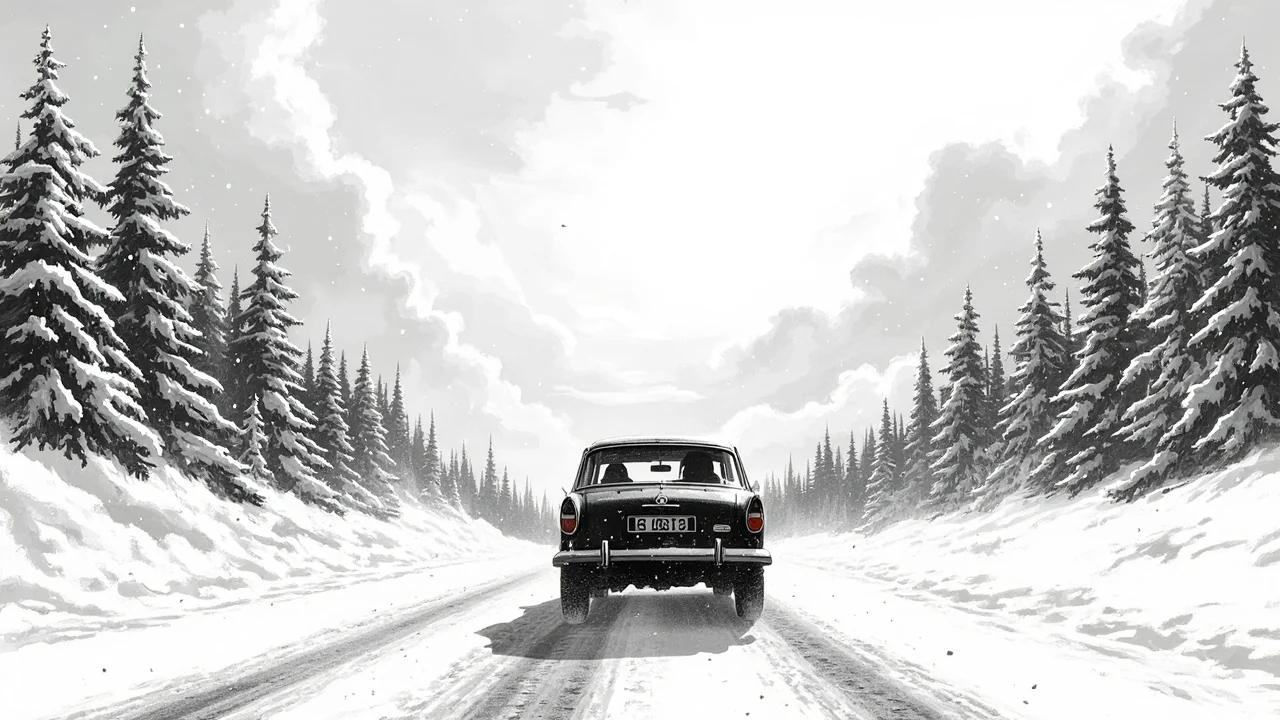
Norway's 5 million registered vehicles face hazardous conditions as heavy snow falls across southern regions. Snowplow operator Atle Søyland from Mandal reports that many drivers insist on traveling despite dangerously poor road conditions. This stubbornness creates significant traffic problems during heavy snowfall events. Søyland warns that current weather patterns will challenge road safety across the district.
The Snowplow Operator's Perspective
Atle Søyland observes driver behavior firsthand from his plow. He states that numerous motorists in Norway drive regardless of weather or road surface quality. Climate change has altered traditional winter patterns, making conditions more unpredictable. Søyland monitors radar systems showing low-pressure systems bringing snow. He emphasizes that crews can only do their best to clear roads and must allow extra time. Precipitation will start as snow before transitioning to sleet and rain later. This shift creates particularly slippery surfaces that catch drivers off guard.
Understanding the Driver Psychology
Norwegian road safety experts identify a common mindset among winter drivers. Many citizens view car travel as an essential right, not a privilege conditioned on weather. This attitude persists despite annual public information campaigns. The Norwegian Public Roads Administration notes that overconfidence in modern vehicles contributes to the problem. Four-wheel drive and winter tires create a false sense of security on packed snow or ice. Regional culture in coastal areas like Mandal often underestimates inland winter hazards. Drivers accustomed to milder fjord climates venture inland unprepared for sudden changes.
Infrastructure and Response Challenges
Municipal snow clearance teams operate under constant pressure during snowfall. Resources are stretched thin during peak periods, especially in southern Norway. Søyland's experience highlights the logistical battle between snowfall rates and plowing capacity. Secondary roads often receive attention only after main arteries are cleared. This prioritization leaves many residential areas impassable for hours. The transition from snow to rain further complicates efforts by creating heavy, wet snow that clogs machinery. Local governments must balance safety budgets against increasingly volatile winter seasons.
Climate Change's Tangible Impact
Meteorological data confirms Søyland's observation about changing climate conditions. Winter precipitation in Southern Norway now frequently arrives as mixed snow and rain. This phenomenon reduces the effectiveness of standard road salt. Warmer atmospheric temperatures cause snow to melt and refreeze into dangerous ice patches. The Norwegian Meteorological Institute reports that winter storm intensity has increased over the past decade. These shifts demand updated response protocols from transportation authorities. Traditional snow removal strategies require adjustment for wetter, heavier snowfall.
Practical Advice for Motorists
Road safety organizations offer clear guidance for winter driving. They recommend postponing non-essential travel during active snowfall. Drivers who must travel should ensure full winter tire tread and pack emergency supplies. These supplies include blankets, food, water, and a flashlight. Authorities advise checking real-time road condition websites before departure. Maintaining greater following distances becomes critical on snow-covered roads. Reducing speed by at least 30% on wet or snowy surfaces significantly improves control. Drivers should also familiarize themselves with their vehicle's anti-lock brake system behavior on ice.
National Policy and Local Realities
Norway's national road strategy emphasizes preparedness, but implementation varies. The Storting allocates funds for winter maintenance, yet municipalities manage actual operations. This decentralization leads to inconsistency in service levels across regions. Parliament members from northern constituencies often advocate for stronger standards. They cite the more predictable and managed winter conditions in Arctic areas. Southern Norway's infrequent but severe storms sometimes overwhelm local capacity. Recent debates have focused on mandating winter tire use during specific months nationwide.
Economic and Social Consequences
Business disruptions from snowed-in roads cost Norwegian enterprises millions annually. Supply chain delays affect everything from grocery stores to manufacturing plants. Schools and workplaces face difficult decisions about closures during severe weather. The social expectation to attend work regardless of conditions pressures employees. This pressure contributes to the high number of vehicles Søyland observes on poor roads. Remote work adoption during the pandemic provided a partial solution, but many sectors require physical presence. Economists calculate that proactive road closure can save costs compared to accident cleanup and delays.
A Look at Comparative Nordic Approaches
Sweden and Finland implement more aggressive winter driving restrictions during storms. Their authorities routinely close certain road sections based on weather forecasts. Norwegian policy tends toward keeping roads open with warnings. This philosophical difference stems from Norway's rugged geography and dispersed population. Mountain passes and coastal highways have limited alternatives when closed. The Swedish model uses enforceable travel advisories that carry fines for non-compliance. Finnish systems incorporate real-time vehicle tracking to monitor compliance on restricted routes.
The Human Element in Crisis Response
Atle Søyland represents the frontline workers ensuring mobility during Norwegian winters. His commentary underscores the tension between public service and personal responsibility. Snowplow operators risk their safety to clear roads for drivers who often show poor judgment. This dynamic creates frustration among emergency responders. Psychological studies indicate that individuals underestimate personal risk during familiar hazards like winter weather. Community education programs in schools attempt to build longer-term cultural change around winter preparedness.
Technological Solutions and Their Limits
Advanced weather forecasting provides earlier warnings than ever before. Mobile applications deliver personalized alerts based on user location. However, technology cannot overcome deliberate disregard for safety recommendations. Vehicle safety systems like electronic stability control help but cannot defy physics on ice. Autonomous vehicle development struggles with snowy road markings and sensor obstruction. Norway's investment in road weather information systems has improved treatment timing. These systems use pavement sensors to trigger salt and plow deployments automatically.
The Path Forward for Winter Safety
Integrating climate projections into infrastructure planning remains essential. Heavier precipitation events require upgraded drainage alongside snow removal. Urban planning that reduces car dependency for short trips could lessen exposure. National funding for municipal winter operations may need reevaluation. Søyland's experience suggests that human behavior modification is equally important as mechanical solutions. Public campaigns highlighting specific accident statistics from preventable winter crashes might increase impact. Ultimately, Norway's relationship with its harsh winter environment requires constant negotiation between freedom and safety. Will this winter's lessons finally change driving habits, or will stubbornness continue to clog snowplow routes?