
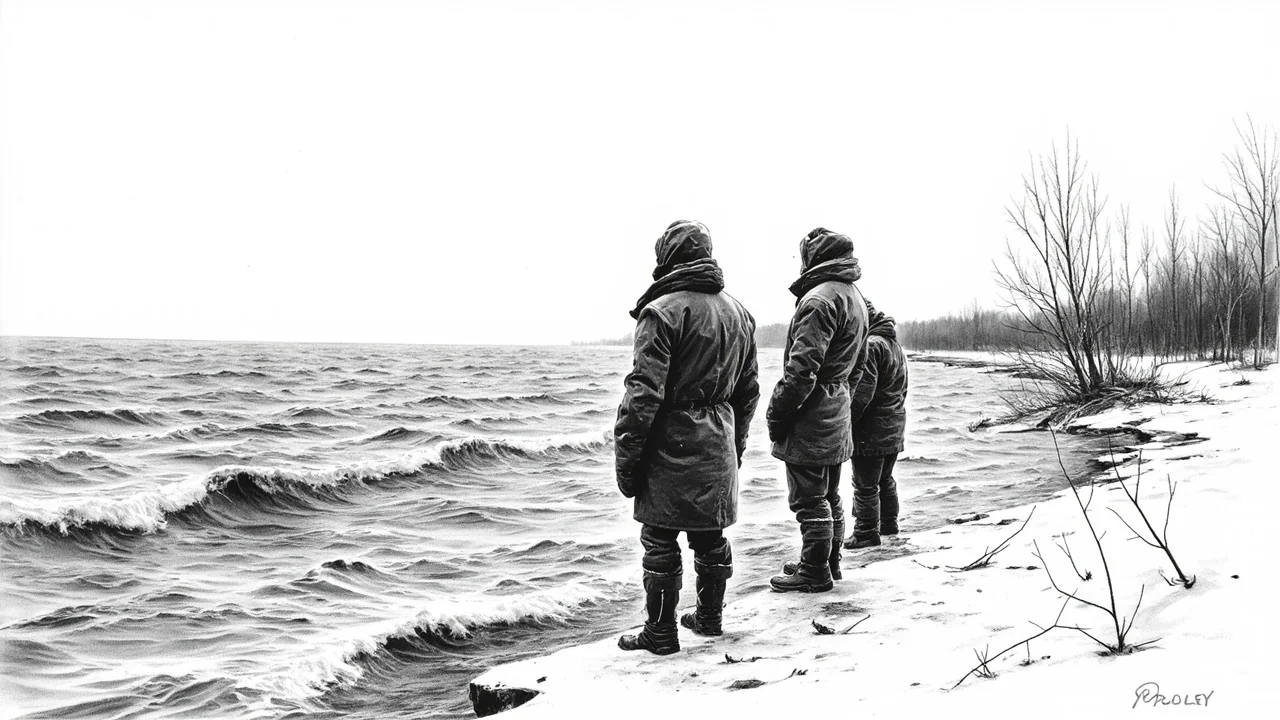
Three Norwegian men drowned in separate January incidents after falling from land into freezing water, according to new figures from The Norwegian Society for Sea Rescue (Redningsselskapet). The tragedies occurred in Larvik, Tromsø, and Bergen, highlighting the acute danger posed by Norway's coastline during winter.
‘This is a tragic event and a reminder of how vulnerable we are during winter,’ said Tanja Krangnes, head of drowning prevention for The Norwegian Society for Sea Rescue, in a statement. No details were released about the specific circumstances of each man's fall, but the organization confirmed all three fatalities resulted from accidents where individuals entered the water directly from shore.
A Recurring Winter Danger
These January deaths fit a grim, recurring pattern. While comprehensive national statistics for 2024 are not yet compiled, historical data shows a consistent risk. Each year, cold-water immersion claims lives along Norway's extensive coastline, in its fjords, and on its inland waterways. The shock of hitting water that can be near or below freezing causes an involuntary gasp, often leading to immediate inhalation of water. Muscle function deteriorates rapidly, making self-rescue extremely difficult even for strong swimmers close to land.
‘The water doesn't need to be deep, and you don't need to be far from help,’ Krangnes noted in her statement, underscoring the deceptive nature of the hazard. Ice-cold water removes body heat 25 times faster than cold air, leading to hypothermia that can incapacitate a person within minutes.
The Three Incident Locations
The geography of the incidents spans the length of Norway, showing the nationwide scope of the risk. In Larvik, a municipality in Vestfold county, the coastline consists of a mix of rocky shores and popular boating areas. The accident in Bergen, Norway's second-largest city, highlights that risk exists even in urban harbor environments. The Tromsø incident occurred far north in the Arctic, where water temperatures are persistently lethal during winter months and daylight is limited.
These locations share a common factor: proximity to populated areas. They were not remote wilderness accidents, but events that happened near communities, serving as a stark warning about everyday environments.
Analyzing the Preventable Crisis
From a safety perspective, these deaths point to a critical need for heightened public awareness. The Norwegian Society for Sea Rescue continuously emphasizes basic safety principles that are often overlooked in casual settings. A key factor is the decision to be near the water's edge alone, especially during poor light or inclement weather. Slippery rocks, snow-covered piers, and unstable ground increase the risk of a fall.
‘Awareness is the first and most important barrier,’ Krangnes has stated in previous campaigns. The organization advocates for simple precautions: maintaining a safe distance from the water's edge, especially in darkness or icy conditions, wearing a personal flotation device when working or walking near water, and always informing someone of your whereabouts. For those who witness a fall, the immediate action is to call for professional help at 112 and to attempt to reach the victim with a long object or throw a flotation aid without entering the water themselves.
The Role of Infrastructure and Education
While personal responsibility is paramount, these incidents also invite scrutiny of public infrastructure. The lack of protective barriers or improved lighting along popular but hazardous waterfront paths in some municipalities is a perennial topic after such tragedies. Municipal safety audits following drownings sometimes lead to the installation of more lifebuoy stations or warning signs, but implementation varies widely across the country.
Educational outreach remains a core mission for rescue organizations. Programs targeting schools, workplaces, and the public focus on the specific physiological effects of cold-water shock, which are not intuitive. Many people mistakenly believe they have more time to react than they actually do.
A Call for Cultural Awareness
Norwegians have a deep cultural connection to the sea and fjords, for work, transport, and recreation. This familiarity can, paradoxically, breed a dangerous complacency. The ‘it won't happen to me’ mindset is a significant challenge for safety advocates. The January deaths are a somber counter-narrative to that assumption. They involved adult men, a demographic often statistically overrepresented in drowning accidents, potentially due to higher risk-taking behavior or overestimation of their own abilities in harsh conditions.
Looking Beyond the Statistics
Behind the number ‘three’ are three individual tragedies with profound ripple effects on families and local communities. In Larvik, Tromsø, and Bergen, these events leave behind grieving relatives and friends. They serve as a localized, painful reminder of a national issue. For the rescue services, including the volunteer crews of The Norwegian Society for Sea Rescue, these calls represent the most difficult outcomes, where prevention, rather than response, was the only possible path to a different result.
A Stark Reminder as Seasons Change
As Norway moves from deep winter toward spring, the conditions remain hazardous. Melting snow can make paths even more slippery, and water temperatures will lag far behind air temperatures for months to come. The message from rescue professionals is unequivocal: respect the water's edge year-round, but especially during the cold season. The deaths of three men in January are not just a seasonal statistic, they are a call for a fundamental shift in how Norwegians interact with their nation's most beautiful, and most deadly, natural feature.
Will this winter's tragic start lead to greater vigilance, or will the powerful draw of the coastline continue to be shadowed by preventable risk? The answer lies not in policy documents in Oslo, but in the daily choices made by individuals on piers, rocks, and shores across the country.