
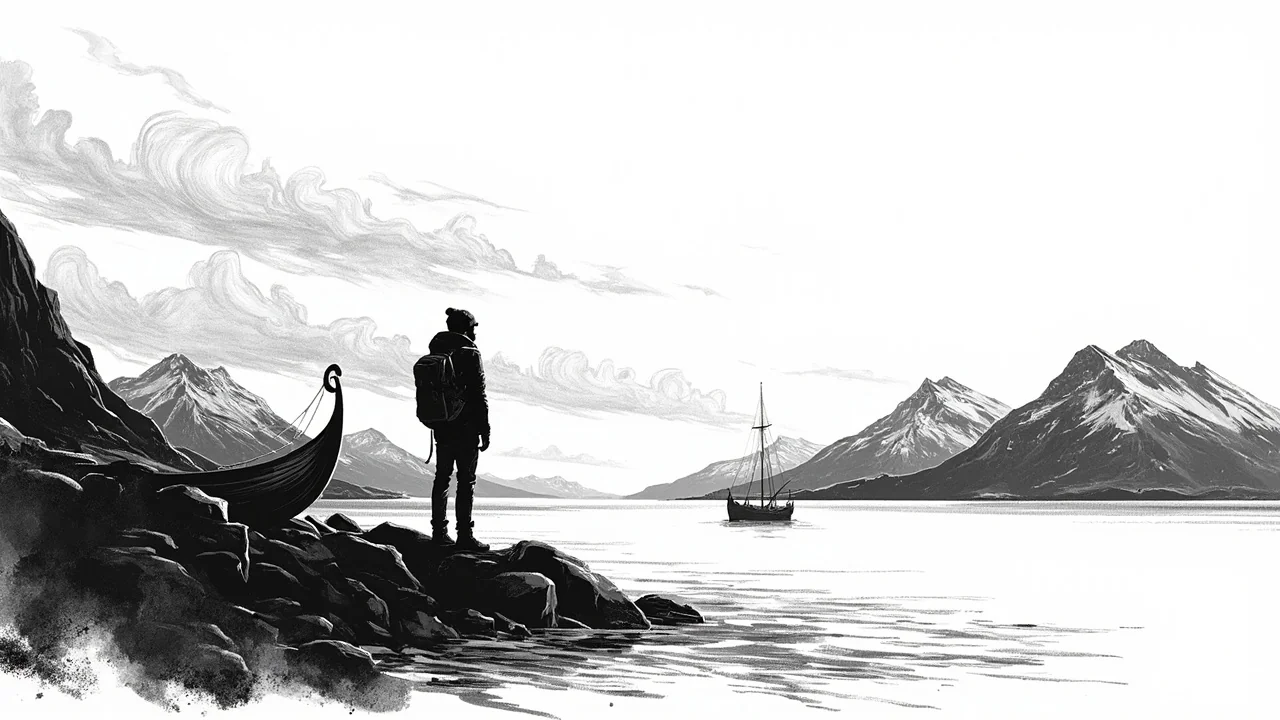
Norway has united Sweden, Denmark, Finland, and Iceland to launch a major travel campaign promoting Scandinavia for 2026, announced on January 10. The joint initiative aims to showcase the best travel experiences across the region, with winter travel planning already driving mid-week searches according to the announcement. This move signals a coordinated effort by Nordic governments to boost tourism, leveraging Norway's leadership in regional cooperation and its strategic focus on economic diversification beyond energy sectors.
A Coordinated Nordic Announcement
The campaign was formally unveiled on January 10, 2026, marking a rare unified push by five sovereign nations to market Scandinavia as a single destination. Officials from each country endorsed the initiative, though specific ministerial quotes were not detailed in the release. The timing aligns with advanced travel planning cycles, where consumers often book winter trips months in advance. By banding together, these nations hope to amplify their global marketing reach, capitalizing on shared cultural and geographical assets like fjords, auroral displays, and historic cities. For Norway, this aligns with broader foreign policy objectives that emphasize Nordic solidarity, often discussed in the Storting regarding Arctic and European affairs.
Strategic Timing for 2026 Travel
Focusing on 2026 allows the campaign to target long-range travelers while addressing seasonal tourism fluctuations. Winter travel planning, mentioned as driving mid-week searches, indicates a shift toward off-peak tourism, which could stabilize annual visitor numbers. In Norway, where tourism contributes significantly to coastal economies, this could mitigate reliance on summer seasons. The campaign's launch in early January taps into post-holiday booking trends, a period when many potential tourists research and reserve trips. By promoting 2026 now, the nations aim to lock in interest early, ensuring a steady flow of visitors that supports hospitality, transport, and local businesses across Scandinavia.
Economic Implications for Norway
As the lead nation, Norway's tourism sector stands to gain substantially from this campaign. The country's diverse offerings—from the Geirangerfjord to the Arctic archipelago of Svalbard—are likely central to marketing materials. Increased tourism can bolster regions outside oil-dependent areas, such as Northern Norway, where fishing and energy transitions are ongoing policy priorities. While specific figures were not provided, the announcement implies expected growth in visitor spending, which could complement Norway's sovereign wealth fund strategies. The collaborative approach may also reduce individual marketing costs for each country, pooling resources for larger international advertising buys and trade show participation.
The Arctic Tourism Angle
Norway's Arctic policy often intersects with tourism, and this campaign may highlight northern destinations like Tromsø or the Lofoten Islands. Promoting winter travel naturally emphasizes Arctic experiences, such as Northern Lights viewing or dog-sledding, which align with Norway's efforts to position itself as a sustainable tourism leader. This initiative could dovetail with existing government programs supporting infrastructure in remote areas, ensuring that increased visitor numbers do not overwhelm local communities. The involvement of Iceland and Finland, both with Arctic territories, reinforces a shared commitment to promoting high-latitude travel, potentially easing logistical challenges through improved cross-border transport links.
Regional Cooperation and Political Context
This travel push underscores deepening Nordic cooperation, a theme frequently echoed in Oslo's government buildings. By spearheading the campaign, Norway reinforces its role as a regional convener, similar to its leadership in energy markets or Arctic Council forums. The inclusion of non-EU members like Norway and Iceland alongside EU states Sweden, Denmark, and Finland demonstrates practical diplomacy beyond political unions. For the Storting, such initiatives may be framed as soft power tools, enhancing Norway's global image while fostering economic ties. The announcement came without partisan dispute, suggesting broad political support for tourism as a non-contentious growth sector.
Marketing and Search Trends
The source material notes that winter travel planning is driving mid-week searches, indicating a trend toward spontaneous or flexible bookings. The campaign will likely leverage digital marketing to target these searchers, emphasizing Scandinavia's accessibility via direct flights to Oslo, Stockholm, or Copenhagen. By uniting, the countries can offer combined itineraries that span multiple nations, appealing to travelers seeking diverse experiences in a single trip. Norway's expertise in promoting its natural wonders—often through partnerships with airlines and cruise lines—may set the template for collaborative advertising efforts, ensuring consistent messaging across platforms.
Challenges and Future Outlook
While the campaign promises benefits, it faces challenges like managing overtourism in popular spots or ensuring sustainability amid climate concerns. Norway's focus on green energy transitions could influence how tourism is marketed, perhaps emphasizing eco-friendly lodges or electric transport options. The success of this 2026 push will depend on execution, including seamless cross-border travel facilitation and post-pandemic recovery in the aviation sector. If effective, it may set a precedent for future regional tourism partnerships, possibly extending to Baltic or North Atlantic neighbors. As 2026 approaches, monitoring search trends and booking data will reveal whether this united front translates into tangible visitor increases across Scandinavia.
Norway's leadership in this campaign reflects a strategic bet on tourism's role in a diversified economy. By uniting Nordic neighbors, Oslo not only aims to fill hotels and tour boats but also to strengthen diplomatic and economic bonds that extend well beyond the travel sector.