
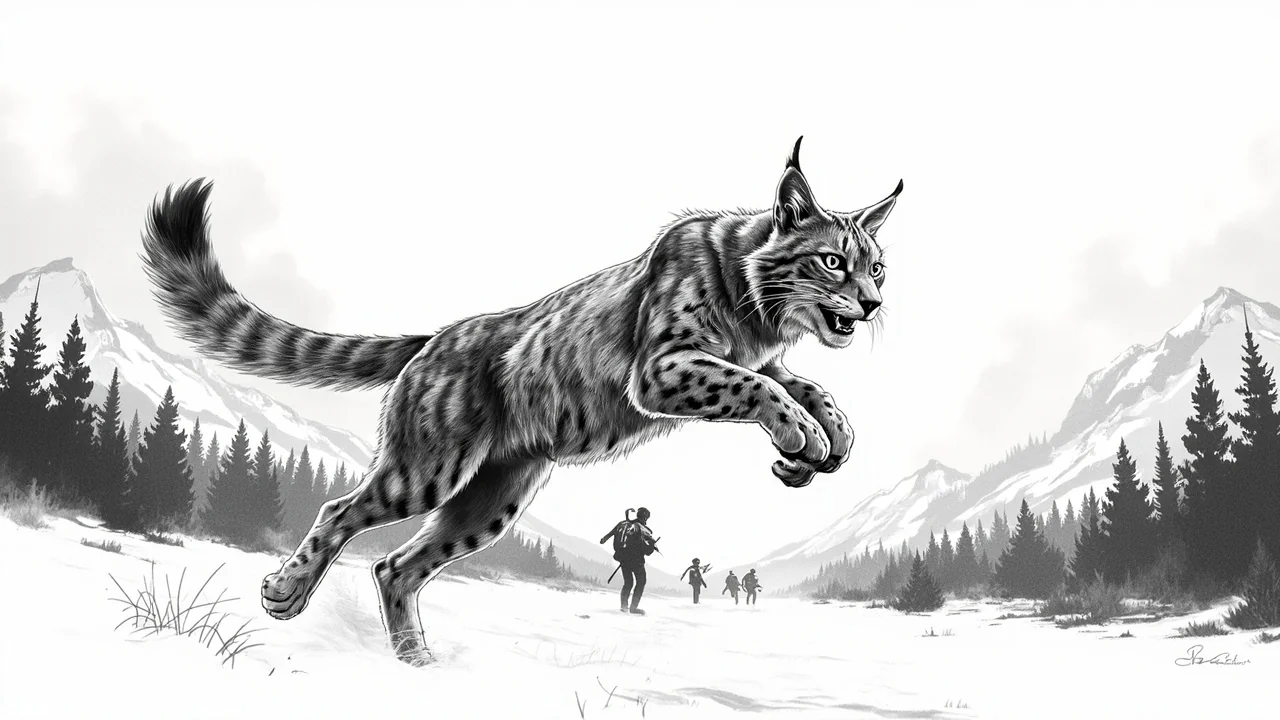
Norway's annual lynx hunt began with 16 animals shot on the opening day, highlighting the immediate impact of the country's predator management quota. One hunter has been reported for using artificial light during the hunt, a practice that violates Norwegian wildlife regulations. The hunt, which runs from February 1 to March 31, 2026, aims to reduce the lynx population toward a national target, sparking ongoing debate between conservationists and hunting communities.
First Day Toll and Legal Breach
At least 16 lynx were shot across Norway on Sunday, the first day of the quota-based hunt. The high initial take comes as predator management boards, known as Rovviltnemndene, set a total quota of 99 lynx for this year's hunt. Authorities confirmed that one hunter faces charges for employing artificial light, which is prohibited under Norwegian hunting laws. This breach underscores the tensions surrounding predator control measures, where legal compliance is closely monitored. The use of such methods can disrupt natural behavior and give hunters an unfair advantage, leading to stricter enforcement by local wildlife agencies.
Quota Set Amidst Appeals
Rovviltnemndene established the 99-lynx quota after assessments of population data, but the decision was appealed by various stakeholders. On Wednesday, the Ministry of Climate and Environment announced it would not alter the boards' verdicts, letting the quota stand. Climate and Environment Minister Andreas Bjelland Eriksen said in a press release that the goal is to manage the lynx population as close as possible to the target of 65 annual litters. Last year's count recorded 91 litters, indicating an overpopulation relative to the objective. The ministry's backing reinforces a management strategy focused on balancing ecological goals with regional interests, often influenced by livestock protection and biodiversity concerns.
Population Management Objectives
Minister Eriksen emphasized that the winter quota hunt is designed to bring the lynx population nearer to the established goal of 65 litters per year. Norway's lynx management framework, rooted in the 2009 Nature Diversity Act, mandates sustainable use based on scientific data. The current population estimate of 91 litters suggests a need for reduction, which the quota aims to address through regulated hunting. This approach aligns with Norway's broader predator policies, which include species like wolves and bears, often adjusted through annual quotas set by regional boards. The minister's statement reflects a commitment to data-driven decisions, though it has faced criticism from environmental groups advocating for stricter protections.
Context of Lynx in Norway
The Eurasian lynx, Norway's only wild cat species, has seen fluctuating populations due to historical persecution and recent conservation efforts. Protected under Norwegian law since 1994, lynx are managed through a quota system that allows controlled hunting to prevent overpopulation and reduce conflicts with farmers. Rovviltnemndene, composed of local representatives, scientists, and interest groups, set quotas based on annual monitoring, including track counts and genetic analysis. This decentralized model aims to incorporate regional insights but often leads to disputes over numbers, as seen in this year's appeal process. The lynx's range spans from southern forests to Arctic regions, with management tailored to local ecological conditions.
Balancing Act in Wildlife Policy
Norway's lynx management embodies a broader struggle to reconcile conservation with practical control, driven by quantitative goals like the 65-litter target. The first day's tally of 16 shots demonstrates the hunt's immediate impact, raising questions about sustainability and ethical hunting practices. As the season unfolds, the balance between ecological health and human interests will remain a focal point for Norwegian environmental governance, with implications for similar species across Scandinavia. Will this year's quota achieve its aim without undermining lynx conservation, or will it prompt a reevaluation of Norway's predator management framework in the years to come?