
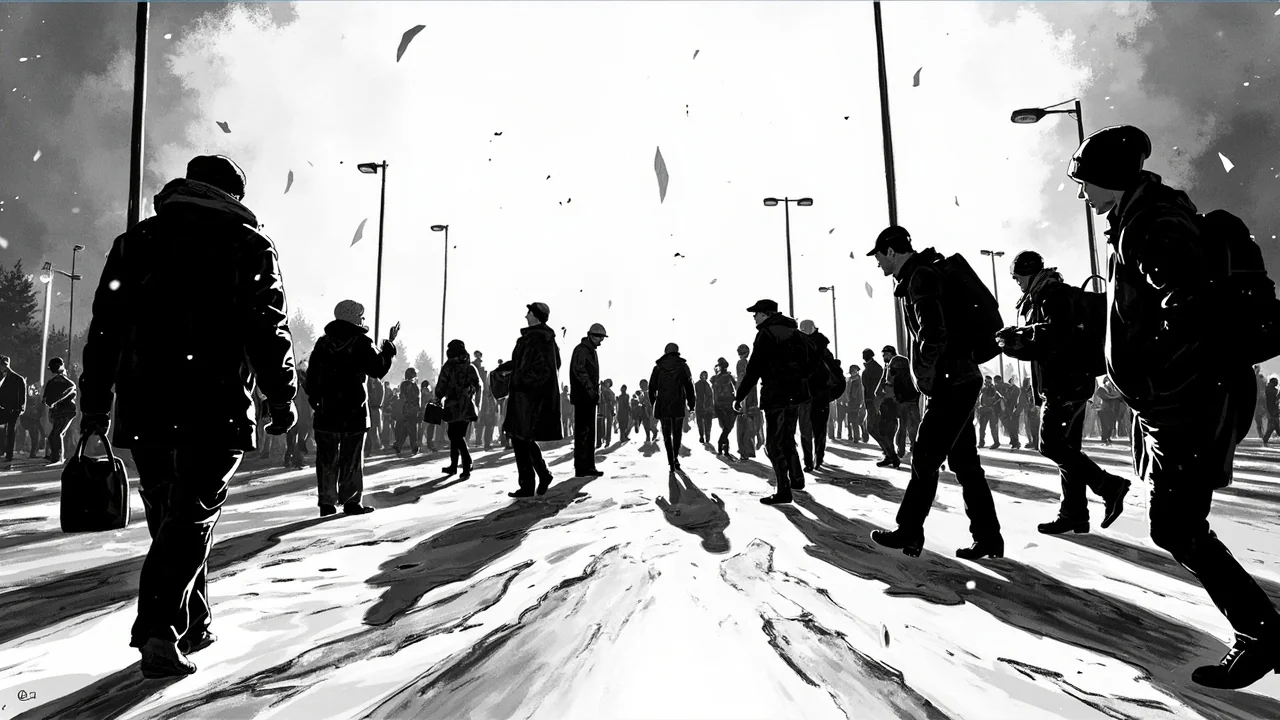
Finland records over 13,500 slip and fall accidents during work commutes in 2024, a stark figure that underscores a recurring winter hazard. Approximately one in every three Finns slips on icy surfaces annually, making these incidents a common yet serious public health concern. The consequences range from minor injuries to severe fractures, with older adults facing particularly high risks. This problem peaks when temperatures hover around freezing, between -5°C and +5°C, where more than half of all commute-related falls occur. As a nation familiar with harsh winters, understanding and preventing these accidents is crucial for all age groups.
The Alarming Statistics of Winter Falls
Tapaturmavakuutuskeskus, the Accident Insurance Centre, reports that slip and fall accidents are the most frequent type of commute injury in Finland. In 2024 alone, over 13,500 pedestrians were involved in such incidents while traveling to or from work. These accidents are not isolated to any single demographic but affect a broad cross-section of the population. Service and sales workers accounted for 27 percent of those injured, followed by experts at 19 percent and special experts at 18 percent. The data reveals that falls are especially prevalent early in the workweek, suggesting a link to routine and perhaps reduced caution after weekends.
The human cost of these falls is significant, particularly for seniors. Research indicates that falling on icy ground can lead to hip, hand, or leg fractures, with head injuries also a possibility. For older adults, a hip fracture often results in long-term health decline and reduced quality of life. The fear of falling is widespread, yet many traditional advice pieces offer tips that average adults find impractical to implement in the moment of a slip. This gap between knowledge and action highlights the need for simpler, more effective strategies.
Why Turning on Ice Poses a Special Threat
A key finding from recent studies is that turning on slippery surfaces dramatically increases the risk of falls. A 90-degree turn, for instance, makes a hip fracture nearly eight times more likely compared to falling while walking straight. This is because turning challenges balance, requires coordination, and demands rapid changes in body posture—skills that naturally diminish with age. When turning, the body's center of gravity shifts slightly outside the base of support, elevating the likelihood of a loss of stability. In contrast, walking straight involves a series of controlled, forward-leaning motions where each step prevents a fall.
This insight shifts the focus from reactive measures to proactive anticipation. Experts note that slowing down and exercising caution during turns is not a sign of poor balance but a smart, effective strategy to maintain stability. By recognizing turning as a high-risk activity, individuals can adjust their behavior accordingly. For seniors, this approach is especially vital, as aging impairs the very abilities needed for safe maneuvering on ice. However, the principle applies to all ages, given the universality of slip accidents.
The Simple Strategy: Slow and Steady Movement
The most effective way to avoid falls on slippery weather, according to research, is anticipation through slow and deliberate walking. Classic advice like moving slowly on ice has been validated by fresh studies as an intelligent strategy. Walking slowly is an excellent method particularly for senior-aged individuals, but it offers benefits for everyone. By reducing speed, people give themselves more time to react to slips and maintain control. This method aligns with the natural mechanics of walking, where each step is a controlled forward fall prevented by the next step.
In practice, this means prioritizing stability over speed during daily commutes or outdoor activities. When approaching turns, extra caution is warranted—slowing down further and perhaps taking smaller steps. The goal is to minimize sudden shifts in weight or direction that could compromise balance. This straightforward approach requires no special equipment or training, making it accessible to all Finns. It is a practical response to the statistical reality that falls are extremely common across all age groups.
Broader Implications for Public Safety
While individual vigilance is key, the scale of slip and fall accidents points to broader public safety considerations. The concentration of incidents within specific temperature ranges suggests that weather warnings and municipal ice-clearing efforts could be timed more effectively. Moreover, the high incidence among commuters underscores the role of employers in promoting safety awareness, especially for those in high-risk professions like service and sales. Public health campaigns might emphasize the simple act of slowing down as a communal responsibility.
Looking ahead, as Finland continues to grapple with icy conditions each winter, integrating this research into everyday habits could reduce injury rates. The data from 2024 serves as a reminder that prevention is often about basic, mindful actions rather than complex solutions. For a nation where winter is a defining season, mastering the art of moving safely on ice is not just personal wisdom but a collective necessity. Will this winter see a drop in fall statistics as more people adopt a slower pace?