
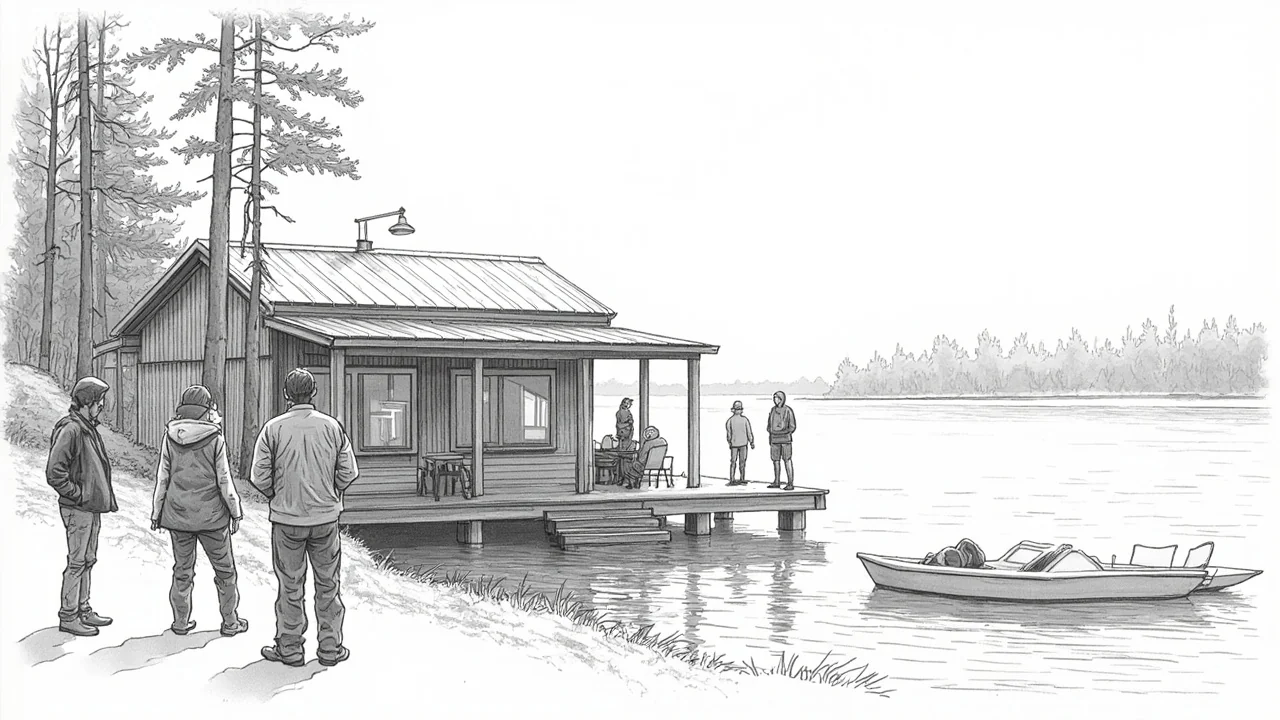
Cafe Regatta, one of Helsinki's most iconic waterfront cafes, must immediately close its extensive terraces and temporary structures after city inspectors declared them dangerously non-compliant. The Helsinki City Environment and Permits Sub-committee issued a binding use prohibition last Thursday, targeting a sprawling network of additions that have grown around the original red cottage building in Taka-Töölö.
A Popular Spot Faces Sudden Shutdown
The cafe, nestled on the shore of Taivallahti Bay with views of the Sibelius Monument, is a magnet for thousands of walkers and cyclists year-round. While the original, charming red log building may continue operating normally, the immediate surroundings are now off-limits. The prohibited area includes multiple terraces, huts, shipping containers, a kiosk, and even a sauna raft. Building Control Manager Leena Immonen stated the prohibition covers the parts where there is, for example, a risk of falling. The structures, terraces, and railings in their current form are not safe for use. For the terraces built on the slope, the railings do not meet safety regulations, with a drop height exceeding three meters in the worst spots.
How The Violations Came To Light
The enforcement action began not from a general inspection but from a specific complaint. Helsinki's building control typically operates based on reports it receives, as there is no capacity for routine patrols to scout for issues. In this case, the area's chief planner filed the notification about the discrepancies. The planner argued that Cafe Regatta's structures were different from those he was responsible for as the designer and demanded the city close the terraces immediately. Following this, building control carried out site inspections on Friday, January 23rd, and Saturday, January 24th. Their findings confirmed significant safety hazards, particularly concerning fire risks from open fires maintained in two large interconnected huts placed on the pathway.
Immediate Compliance and Public Reaction
By Sunday, under clear but sub-zero skies that still drew crowds to the waterfront, signs of compliance were already visible. The large huts that had been a focal point were no longer on-site, indicating the entrepreneur had begun implementing the orders. The swift action highlights the serious nature of the violations, which center on unauthorized expansion and consequent safety failures. The cafe's terraces and temporary structures sit directly adjacent to the Helsinki Rowing Stadium (Soutustadion), placing the popular commercial activity next to a major public sports facility. The closure disrupts a significant portion of the cafe's operational space during a weekend of ideal winter weather for outdoor activity, presenting a direct financial impact and public inconvenience.
The Regulatory Framework in Helsinki
This incident underscores Helsinki's strict adherence to building and safety codes, even for beloved, long-standing local businesses. The city's process is reactive, relying on notifications, which places responsibility on professionals and the public to flag issues. When violations are confirmed, especially those posing immediate physical danger, the response is swift and unequivocal. The use prohibition took effect immediately upon the sub-committee's decision, leaving no room for phased corrections for the most hazardous elements. The case also illustrates the tension between entrepreneurial ambition to expand a successful service and the rigid boundaries of permitted development, particularly in sensitive and highly visible waterfront areas that are central to the city's identity.
What Happens Next for Cafe Regatta?
The immediate future involves the cafe owner working with city officials to formally rectify all violations outlined in the order. This likely requires submitting proper permit applications for any structures they wish to retain, ensuring all designs meet current building codes, and potentially dismantling additions that cannot be permitted. The process could be lengthy, depending on the scope of changes required. For Helsinki residents and visitors, the iconic red cottage will remain open, but the experience of visiting will be altered for the foreseeable future. The case raises broader questions about how the city manages the evolution of its beloved outdoor commercial spaces, ensuring they develop safely and legally while retaining the character that makes them popular. Will this enforcement action lead to a more permanent, permitted, and safe expansion, or will Cafe Regatta return to its original, smaller scale? The answer will depend on the dialogue now beginning between the entrepreneur and city regulators.