
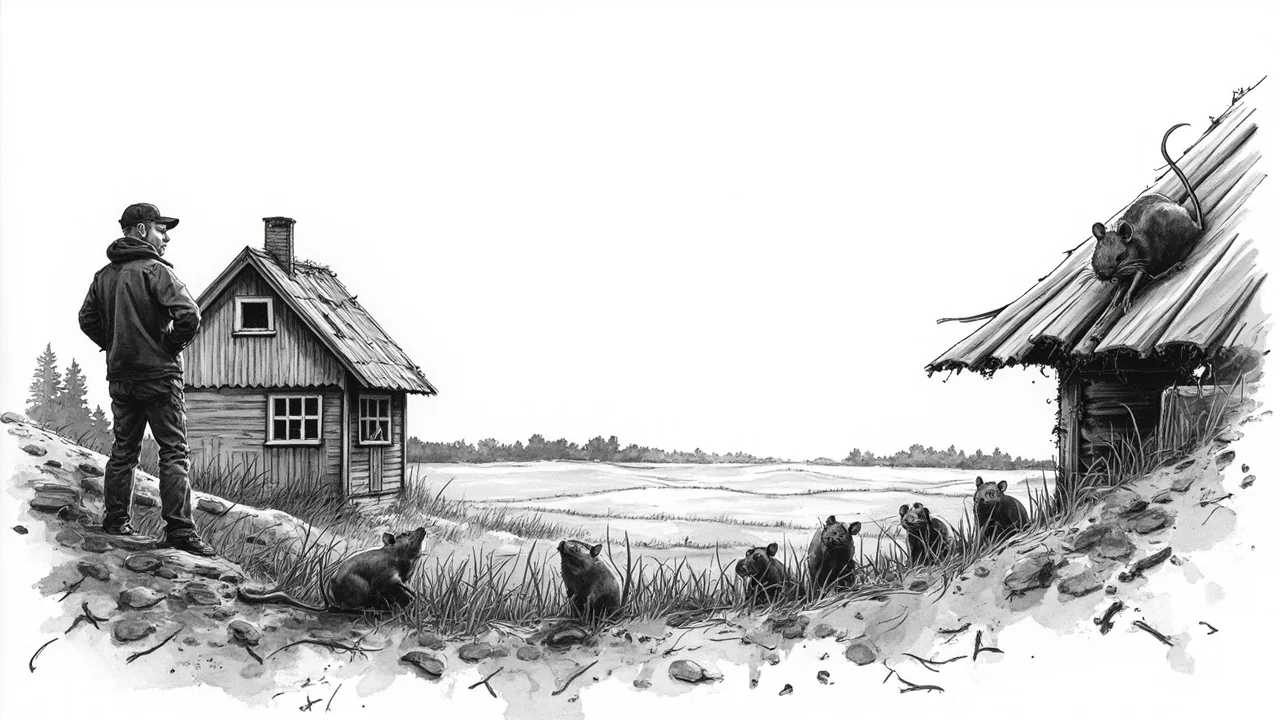
Norway's mouse damage insurance claims have nearly doubled in the first quarter of 2025, with Tryg Forsikring reporting a sharp rise in cases linked to what the insurer terms a 'supermouse year.' Data shows nearly 1,900 cases of mouse eradication in homes were registered in the last quarter of 2024, almost double the number from the same period in 2023. This significant increase highlights a growing issue for Norwegian homeowners and vehicle owners alike, prompting calls for increased vigilance. Communications advisor Espen Borge at Tryg Forsikring stated that the trend is clear and concerning, with practical implications for household budgets and daily life across the country.
A Notable Spike in Household Incidents
The surge in mouse-related incidents within Norwegian homes marks a departure from typical seasonal patterns. Tryg Forsikring's data indicates that the last quarter of 2024 saw approximately 1,900 insurance claims specifically for mouse eradication services in residential properties. This figure represents a near 100 percent increase compared to the same timeframe the previous year. The insurer has characterized this rodent season as exceptional, labeling it a 'supermouse year' in their official communications. Such a label underscores the scale of the increase, which has caught the attention of both insurance providers and the public. The data points to a widespread phenomenon affecting dwellings from Oslo's apartment blocks to more rural homes, though the insurer did not break down figures by region.
Vehicles Becoming Unexpected Targets
Beyond homes, Tryg Forsikring reports a marked increase in damage cases where mice have infiltrated vehicles. Espen Borge emphasized that this is not a minor nuisance but a costly and frustrating problem for car owners. 'It is not a pleasant experience, neither economically nor practically – in addition, it is an incredibly tedious situation to be in,' Borge said in the press release. He advised vehicle owners to keep their cars free of food, crumbs, and trash, particularly for vehicles that remain stationary for longer periods. A thorough cleaning before parking is recommended to deter rodents. This advice stems from the observed pattern where mice seek shelter and food sources in unused cars, leading to chewed wires, upholstery damage, and other issues that result in insurance claims.
Interpreting the 'Supermouse Year' Phenomenon
While Tryg Forsikring has not provided specific causes for the dramatic rise, the term 'supermouse year' suggests environmental or climatic factors may be at play. In general, rodent populations can fluctuate based on food availability, weather conditions, and natural predation cycles. For Norway, variations in seasonal temperatures or snowfall in regions could influence mouse behavior and breeding patterns. However, without additional research data, these remain plausible contextual factors rather than confirmed reasons. The insurance data serves as a concrete indicator of the problem's scale, prompting homeowners to consider preventive measures. The economic impact is direct, as each claim represents repair costs, eradication expenses, and potential increases in insurance premiums over time.
Preventive Strategies and Homeowner Guidance
In response to the uptick in claims, Tryg Forsikring's guidance focuses on practical, preventative steps. For homes, sealing entry points such as gaps around pipes, vents, and foundations is crucial. Storing food in airtight containers and maintaining clean, crumb-free kitchens can remove attractions for mice. Regular inspection of attics, basements, and storage areas is also advised. For vehicles, Borge's advice is clear: eliminate any food sources and ensure cleanliness, especially before extended parking. These measures align with standard rodent control practices but gain urgency given the current data. The insurer's communication underscores that prevention is more cost-effective than dealing with damage after the fact, a point relevant for household budgeting across Norway.
Broader Implications for Insurance and Households
The doubling of mouse damage claims presents a tangible data point for Norway's insurance sector, potentially influencing risk assessments and policy structures. While not on the scale of major natural disasters, this type of frequent, small-scale damage accumulates, affecting insurer loss ratios and possibly leading to adjusted coverage terms in the future. For Norwegian families, the increase means unexpected expenses and hassles, diverting funds from other needs. In a broader sense, such phenomena can reflect subtle changes in local ecosystems or household habits, though direct causation requires further study. The key takeaway is the importance of proactive maintenance, a principle that applies whether in urban Oslo or the Arctic north.