
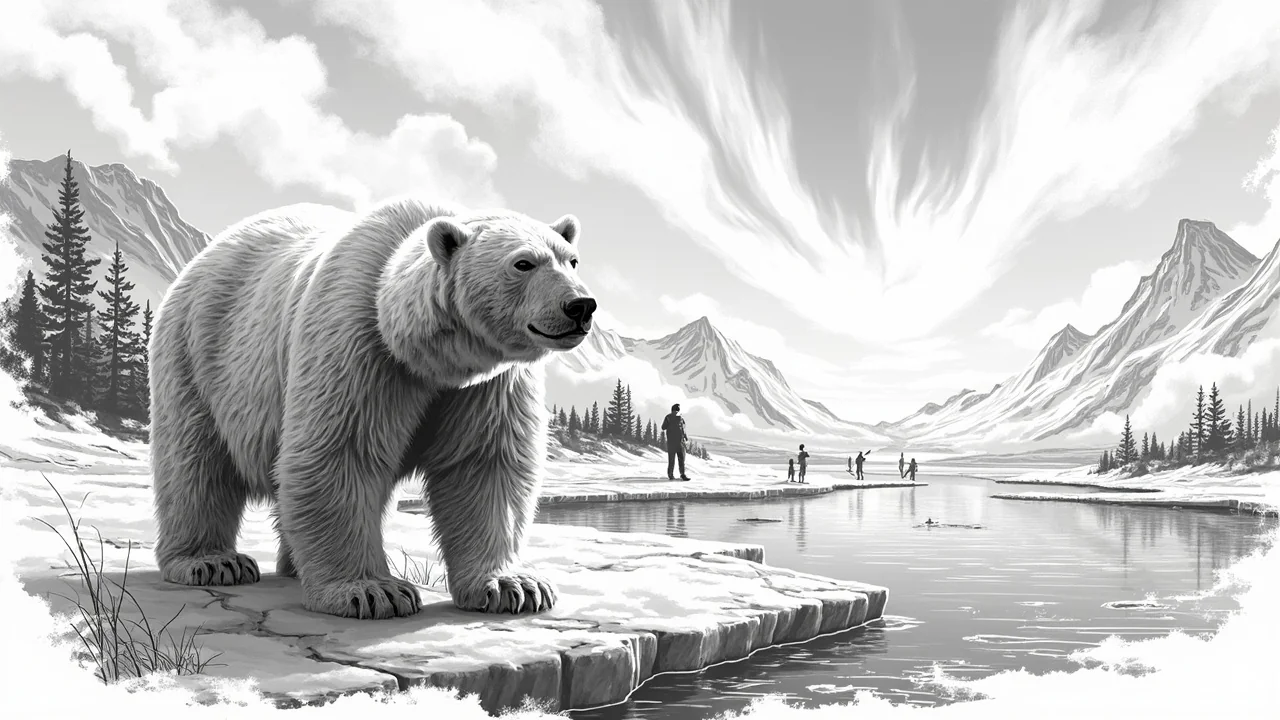
Norway's polar bears have increased their body fat over the past 25 years despite shrinking sea ice, a new study finds. Researchers from the Norwegian Polar Institute tracked polar bears on Svalbard from 1995 to 2019, measuring their body condition each spring. Contrary to expectations, the bears are in better shape now than around the year 2000. This paradoxical finding challenges assumptions about how climate change affects Arctic predators.
Unanticipated Resilience in the Arctic
Senior researcher Jon Aars, who has studied polar bears for over 20 years, led the study published in Scientific Reports. He said scientists initially feared polar bears would struggle as sea ice diminished. Sea ice serves as their primary platform for hunting ringed seals, resting, and movement. With less ice, researchers expected bears to spend more time on land and become thinner over two decades. However, the data show no such decline in body condition. Aars noted that polar bears are now in roughly the same condition as in 1995 when the study began. This resilience indicates an unexpected adaptation to environmental shifts.
The study relied on systematic data collection during spring, when bears are most accessible for measurement. Researchers assessed body fat and overall health, providing a long-term view of polar bear welfare. Aars emphasized that the good news is that polar bears are managing better than anticipated given the rapid ice loss. The Arctic sea ice continues to shrink, forcing polar bears to alter their behavior and habitat use. Yet, their ability to maintain body condition suggests a capacity to cope with change, at least in the Svalbard region.
Shift to Land-Based Food Sources
As sea ice retreats, polar bears on Svalbard are spending more time on land and adapting their diets. Aars reported a significant increase in land-based foraging. Polar bears are now consuming large quantities of eggs from bird colonies, which provide a rich energy source. Additionally, they are hunting reindeer more frequently than previously thought. Researchers had underestimated their capability to prey on reindeer, but observations confirm successful hunts. This dietary shift helps explain the sustained body fat levels despite reduced access to seal hunting grounds.
The adaptation to land-based food is a key factor in the polar bears' current condition. Aars highlighted that while ringed seal hunting from ice platforms is ideal, alternative food sources on land have become crucial. The bears' flexibility in foraging strategies demonstrates their behavioral plasticity. However, this shift also raises questions about the long-term sustainability of land-based resources. Egg predation and reindeer hunting may impact local ecosystems, but for now, they support polar bear health. The study notes that these changes are directly linked to the ongoing reduction of sea ice in the Arctic.
Walrus Population Provides Supplementary Food
Another factor contributing to polar bears' improved condition is the rise in walrus populations around Svalbard. Walrus numbers have increased dramatically in recent decades, according to the study. While polar bears rarely kill adult walruses due to their size, they have been observed scavenging on walruses that died from other causes. This additional food source supplements their diet, especially when sea ice is scarce. The availability of walrus carcasses provides a calorie-rich option that helps maintain body fat.
Aars pointed out that the growing walrus population is part of a broader ecological change in the Arctic. As species distributions shift with climate change, new interactions emerge. The scavenging behavior of polar bears on walrus remains is an example of how animals exploit available resources. This opportunistic feeding further buffers polar bears from the immediate impacts of ice loss. The study suggests that such ecological dynamics are complex and can lead to unexpected outcomes, like the sustained condition of polar bears despite environmental pressures.
Stable Population Amid Environmental Stress
The research also found no decline in the polar bear population on Svalbard during the study period. This stability contrasts with concerns about dwindling numbers due to habitat loss. Aars stated that while sea ice continues to shrink, the bears have not faced a population crash. The combination of dietary adaptation and supplementary food sources appears to support their numbers. However, researchers caution that this situation may be specific to Svalbard and not indicative of trends across the entire Arctic.
Long-term monitoring is essential to understand how polar bears will fare as climate change accelerates. The study's timeframe from 1995 to 2019 captures a period of significant ice reduction, yet polar bears have persisted. Aars emphasized that the findings do not negate the threats posed by climate change but highlight the animals' current adaptability. The stable population on Svalbard offers a glimpse into potential survival strategies, but future conditions could become more challenging if ice loss outpaces adaptation capabilities.
Future Monitoring and Uncertain Outlook
Looking ahead, researchers plan to continue tracking polar bear condition and population dynamics. Aars acknowledged that while the bears are faring well now, the ongoing loss of sea ice remains a major threat. The study concludes that polar bears on Svalbard have demonstrated remarkable resilience over 25 years, but their future depends on the rate of climate change and the availability of alternative food sources. Scientists will monitor whether land-based diets can sustain them in the long term as ice diminishes further.
The unexpected findings underscore the complexity of Arctic ecosystems and the need for sustained research. As Norway and other nations grapple with climate impacts, studies like this provide critical data for conservation efforts. The polar bears' ability to adapt offers a temporary reprieve, but their ultimate survival hinges on global actions to mitigate climate change. For now, the fatter polar bears of Svalbard present a paradox that challenges simple narratives about wildlife and environmental change.