
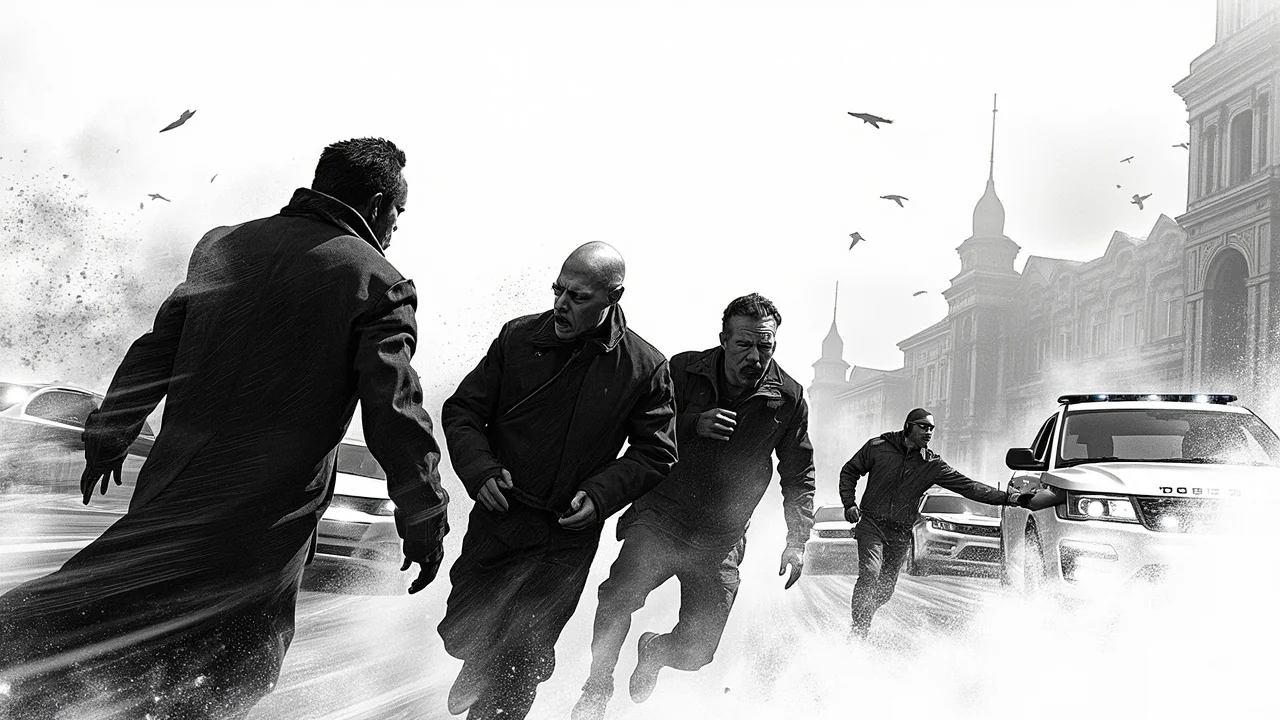
Norway police responded to five separate incidents in Bergen within hours Tuesday morning. Each call required officers and resources. Only one resulted in an arrest. The series of events highlights the daily challenges of modern policing.
At 7:20 a.m., police were dispatched to an address on Fjøsangerveien. A security company had triggered a burglary alarm. The company told operators they could see someone on camera inside the property. Officers arrived on scene at Danmarks Plass just six minutes later. By 7:41 a.m., the operation was called off. The door was simply unlocked. No one was found inside. There were no signs of a break-in. "The door was open. It's unclear if anything was stolen, but the place is neat and tidy. We are concluding," said operations leader Dan Erik Johannessen.
A Morning of Misdirection
That false alarm was just the beginning. Around 3:30 a.m., police stopped a car near the main police station in central Bergen. The driver did not have a license. Further checks revealed the vehicle itself was reported stolen. Two young men were in the car. One was in his twenties, the other a legal-age teenager. Police opened a case for the stolen car and the driving offense.
Hours later, a separate incident unfolded at the Galleriet shopping centre. A woman in her twenties was arrested Monday evening. She allegedly tried to steal from a store. When confronted by security guards, she became aggressive. "Kicked and hit against security guards," wrote operations leader Frode Kolltveit in the police log. No one was reported injured. The woman faces charges of disorderly conduct and assault.
The One Substantive Case
Amid these minor incidents, one serious investigation moved forward. A man in his twenties sat in custody Tuesday. He was arrested Monday morning. He is suspected of serious sexual intercourse and violence against a minor girl. "This is alleged to have happened several times," said police prosecutor Benjamin Larsen. The suspected acts date back to the spring and summer of last year. Police were notified by the girl's guardians some time ago. "We have reasonable grounds for suspicion," Larsen stated. The man was scheduled for questioning during the day.
The Cost of False Alarms
This cluster of calls represents a typical shift. Resources are finite. Every officer sent to an open door is an officer not available for a serious crime. Security alarms are crucial for public safety. They also generate a high volume of false activations. Human error, technical faults, and simple mistakes like unlocked doors keep police busy. Each response involves fuel, vehicle wear, and officer hours. The financial cost is significant. The operational cost in diverted attention is harder to measure.
Police must treat every alarm as genuine until proven otherwise. The potential risk is too high. This creates an inherent tension in their work. They operate in a constant state of prioritization. The stolen car stop required immediate attention. The shopping centre altercation needed a public order response. The serious sexual crime investigation demanded careful, sustained resources. The open door and the faulty truck inspection fell lower on the list, but still required a formal police presence.
A System Under Strain
Norwegian police districts face ongoing pressure. Staffing levels and budgets are perennially debated topics. Incidents like these show where the strain appears. It is not always in major crimes. The strain is in the cumulative weight of daily operations. It is in the logistics of covering a city with available patrols. A quiet morning can turn busy with a few radio calls. The Bergen police handled these five events concurrently. They also managed other unseen calls not reported in the log.
Public expectations are high. People expect a rapid police response. They expect thorough investigations. They also expect traffic safety checks. The Vehicle Inspection Authority conducted a heavy goods vehicle control at the Bergen traffic station Tuesday. One recovery truck was stopped. It was towing a wrecked articulated bus. The total length was over 25 meters. The truck received a usage ban. It lacked a required extra brake light at the rear. It also did not display mandatory "long transport" signs. This work, while administrative, is part of the broader public safety mandate.
The Human Element of Policing
The Tuesday morning log is a snapshot of urban life. It shows human behavior in all its forms. Forgetfulness leads to an unlocked door. Poor judgment leads to driving a stolen car. Frustration leads to lashing out at security guards. Alleged predation leads to a grave arrest. Police work exists at the intersection of all these stories. Officers must shift gears mentally and emotionally between calls. They go from checking an empty room to investigating a serious violent crime. The psychological load is considerable.
Community trust is built on consistent, professional responses to all incidents. The woman who left her door open may still appreciate a police check. The store manager relies on police to back up their security team. The family of the alleged victim needs a meticulous and sensitive investigation. Policing is a service. Its value is often judged not by the major successes, but by the consistent handling of the mundane. Tuesday morning in Bergen was mostly mundane. It was also essential.
Looking Beyond the Log
This series of events prompts broader questions. How can security systems reduce false alarms? Could community policing models free up patrol resources? What is the true cost of minor crime and disorder? These are questions for policymakers and police chiefs. For the officers on duty, the questions are more immediate. Where is the next call? What equipment do we need? Is everyone safe?
The man in custody for serious charges will have his day in court. The others may face fines or lesser charges. The door on Fjøsangerveien is presumably now locked. The patrol cars have refueled. The officers have written their reports. The cycle will begin again with the next shift. The police radio will crackle with new voices. New addresses. New problems. Some will be serious. Many will be minor. All will require a response. This is the relentless, unglamorous reality of keeping a city safe. It is a job that happens in the background until the moment you need it. On Tuesday morning, for five different reasons, five different people or businesses needed it. Only one case involved a crime that will make headlines. The other four are the hidden bulk of the iceberg, the daily work that defines public safety.