
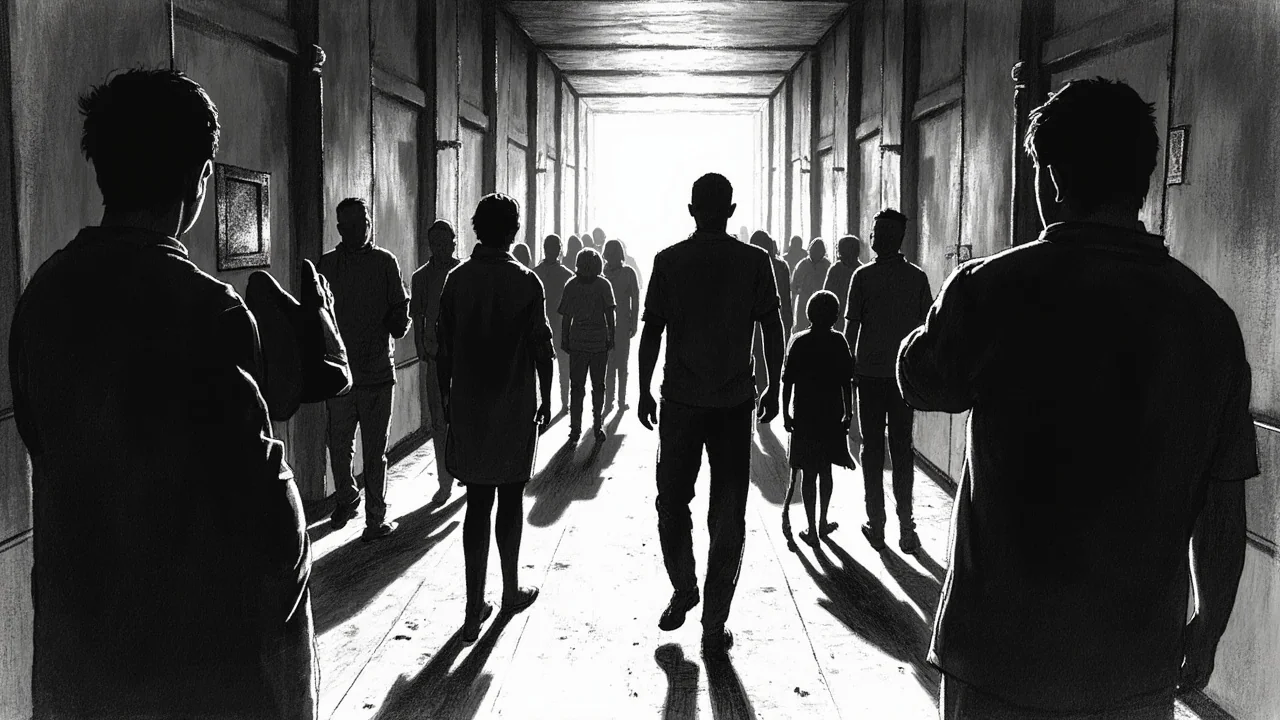
Norway's psychiatric care system is buckling under pressure, with 15 seriously mentally ill patients forced into hallways at Sandviken clinic last Tuesday. 'I have worked here for 25 years and have never experienced a worse situation,' said chief safety delegate Frank Myhre Hansen. His stark warning highlights a deepening crisis in Norwegian healthcare, where overwhelmed capacity now risks patient safety and lives.
A Hallway Full of Suffering
Frank Myhre Hansen described a scene of dire overcrowding at the psychiatric clinic in Sandviken. On that Tuesday, the facility's corridors became makeshift wards for 15 individuals in acute mental distress. These patients, classified as seriously ill, had no proper beds or rooms due to a lack of space. Hansen, who serves as both a trade union representative and a verneombud, or safety delegate, said the situation has created unbearable working conditions. He fears it will lead to a rise in serious incidents, including potential suicides among patients. The clinic, part of Norway's public healthcare system, is not designed to handle such overflow, putting both staff and those in need at risk.
Workers Sound the Alarm
The safety delegate's concerns are rooted in daily observations of a system at its breaking point. Hansen noted that the overcrowding is not an isolated event but a symptom of chronic undercapacity. He said the strain on resources has escalated over time, with this recent episode marking a new low. His role involves monitoring workplace safety and patient welfare, giving his assessment weight. 'We are seeing a level of overcrowding that compromises basic care standards,' Hansen explained. The fear is that without immediate intervention, the environment could become dangerous. Staff are stretched thin, trying to manage too many patients with too few resources, which heightens the risk for everyone involved.
Systemic Strain Across Norway
This crisis at Sandviken reflects broader challenges in Norway's mental health services. Psychiatric clinics nationwide have reported similar issues of overcrowding and resource shortages. The problem ties into larger debates about healthcare funding and prioritization within the Norwegian government. While specific figures for other clinics are not provided in the source, the pattern is consistent with reports from healthcare workers in major cities like Oslo and Bergen. The Storting, Norway's parliament, has historically grappled with mental health budgets, but current pressures suggest existing measures are insufficient. Patients needing urgent care are often left in limbo, as facilities like Sandviken lack the beds to accommodate them.
The Human Cost of Overload
For the patients lying in hallways, the impact is profound and personal. Without private rooms or adequate supervision, their treatment is compromised. Mental health professionals argue that such environments can exacerbate conditions like depression or anxiety, leading to worse outcomes. Hansen's warning about increased suicides is based on this direct link between environment and mental state. In Norway, where healthcare is a point of national pride, these scenes undermine the promise of universal access. The patients at Sandviken are among the most vulnerable, and their placement in hallways signals a failure in the system's safety net. Families and advocates have echoed concerns, calling for swift action to restore dignity and care.
Political Repercussions Loom
The situation has inevitable political implications, putting pressure on the Oslo government. Healthcare is a central responsibility of the state, and failures in mental health services often trigger parliamentary scrutiny. While the source does not cite specific politicians, such crises typically lead to questions in the Storting about funding and policy. In past debates, opposition members have criticized capacity shortages in psychiatric wards. The current overload may renew calls for increased investment in healthcare infrastructure, beyond energy and Arctic projects that often dominate Norway's budget discussions. As the country manages its oil wealth, allocations to social services like mental health could become a focal point in upcoming policy reviews.
A Call for Immediate Action
Frank Myhre Hansen's message is clear: without changes, the situation will deteriorate further. He advocates for immediate steps to increase capacity, such as opening more beds or allocating emergency funding. However, solutions require coordination at the governmental level, which can be slow. In the short term, clinics like Sandviken must manage with existing resources, leading to continued strain. Hansen emphasized that this is not just about numbers but about human lives at stake. The 25-year veteran's experience lends credibility to his alarm, suggesting that this crisis is unprecedented in scale and severity. For Norway, a nation known for its high quality of life, addressing this overload is crucial to maintaining social trust.
What Comes Next for Norwegian Psychiatry?
The crisis at Sandviken raises urgent questions about the future of mental health care in Norway. Will the government respond with new initiatives or increased funding? Can clinics adapt to rising demand without compromising safety? As patients remain in hallways, the need for action grows more pressing. This story is not just about one clinic but about a system under stress, testing the limits of Norway's welfare model. The coming weeks may see more reports from other facilities, amplifying calls for reform. For now, workers like Frank Myhre Hansen continue their duties in increasingly difficult conditions, hoping for a resolution that puts patients first. The world watches how Norway, with its resources and reputation, will tackle this deep-seated challenge in its healthcare heartland.