
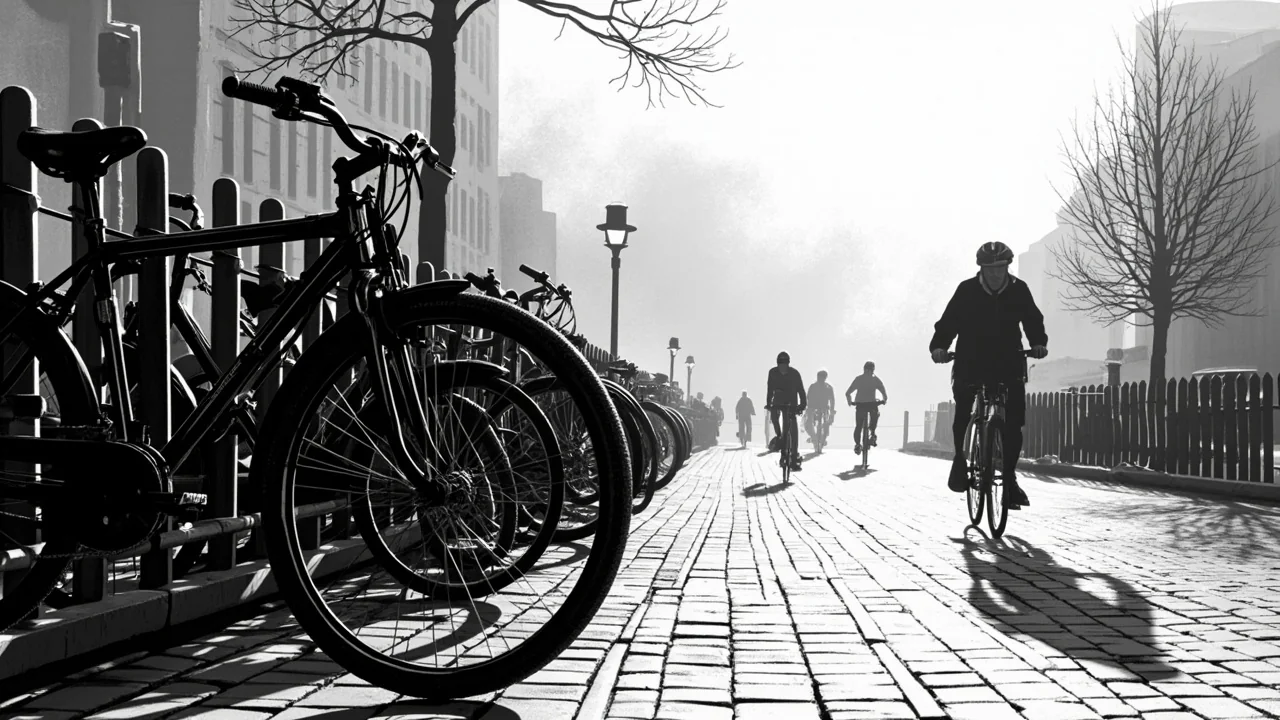
Norway's cycling culture is hitting a roadblock as fear of theft keeps bikes locked away. Bergen police receive around 1,000 reports of stolen bicycles each year. Experts warn the true number is far higher, creating a significant barrier to greener urban transport.
The High Cost of Mobility
These are not just cheap rides disappearing. The average bicycle stolen in 2024 was worth about 11,000 kroner. Arne Voll, communications chief at insurance company Gjensidige, explains the scale. "Bikes are getting more and more expensive, and it's not unusual to see bikes costing well over 20,000 kroner. Some bikes can cost up to 100,000 kroner," he said. With so many high-value thefts, Voll states the total value of stolen bicycles runs to well over ten million kroner annually.
This financial loss is compounded by a massive underreporting problem. "In addition, there is an enormous dark figure where bikes disappear without being reported stolen," Voll noted. This unreported crime wave means the official statistics only show a fraction of the issue, making it harder for authorities to gauge the full impact and allocate resources effectively.
A Culture of Fear on Two Wheels
The consequence of this theft epidemic is a tangible change in public behavior. Bergen's Urban Environment Agency believes people are actively avoiding cycling because they fear their bike will be stolen. This fear undermines municipal goals to promote cycling as a sustainable, healthy mode of transport. When a commuter calculates the risk of losing a 20,000 kroner investment against a bus ticket, the choice becomes less about carbon footprint and more about financial security.
The psychological barrier is as significant as the physical one. Knowing that a quick stop at a grocery store could result in a vanished bike makes cycling for daily errands a stressful prospect. This fear particularly impacts those who rely on bicycles for practical, everyday mobility, not just recreation. It creates a perception that public space is unsafe for personal property, which can erode broader community trust.
Parking Solutions and Security Gaps
In response to this crisis of confidence, the Bergen Urban Environment Agency has begun rolling out new, designated bicycle parking areas across the city. The strategy is clear: if people do not trust existing infrastructure to keep their bikes safe, the city must provide more secure alternatives. These new parking spots are a direct attempt to address public concern and remove a key obstacle to cycling adoption.
However, infrastructure alone is not a complete solution. Arne Voll emphasizes that individual responsibility remains critical. He strongly recommends that cyclists properly secure their bikes and mark them with name tags or other identifiers. Robust locks, even on expensive models, are a basic first line of defense. Permanent marking can deter thieves by making bikes harder to resell and easier to trace if recovered by police.
The interplay between public infrastructure and private security measures is key. New parking areas must be well-lit, conveniently located, and potentially monitored to be effective. Simultaneously, cyclists must invest in quality locks and use them correctly, locking both the frame and wheels to an immovable object. This two-pronged approach is necessary to rebuild public trust.
The Economic and Environmental Toll
The ripple effects of widespread bicycle theft extend beyond individual victims. Economically, the loss of over ten million kroner worth of property annually represents a direct drain on household finances. It also inflates insurance premiums and creates a thriving black market for stolen goods. For the city, reduced cycling numbers mean more car traffic, leading to increased congestion, higher emissions, and greater wear on roads.
Environmentally, every potential cyclist who opts for a car due to theft fears represents a small failure in urban sustainability policy. Cities like Bergen have ambitious goals to reduce carbon emissions and improve air quality, goals that are intimately tied to increasing active transportation. A persistent bike theft problem actively works against these crucial environmental objectives, making it a policy issue as much as a criminal one.