
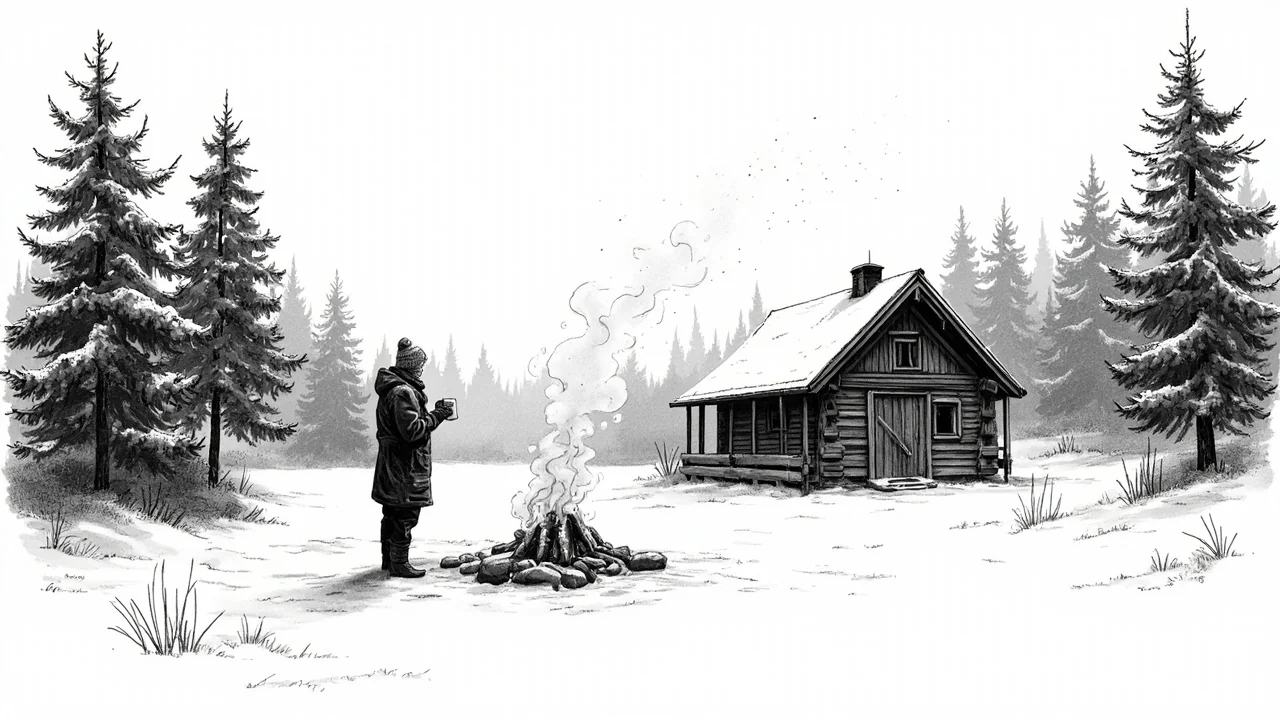
What’s the secret to a warm, safe, and cozy Norwegian winter? For countless families, the answer lies not in a thermostat, but in the crackling heart of a wood-burning stove. As temperatures plunge, the ancient ritual of lighting the oven becomes a central part of daily life, blending necessity with a deep sense of comfort.
Stig Lukkassen from Lillesand is one such person. 'I'd rather look into the stove than at the TV,' he says with a laugh. 'This morning it was -12 degrees Celsius here, but for us, wood burning is just as much about coziness as it is about heating.' His modern, clean-burning stove is lit nearly every day, a common scene across the country during the cold months.
However, this cherished tradition comes with significant responsibility. Fred-Michael Simonsen, head of the housing department at the Kristiansand region fire and rescue service (KBR), stresses the importance of understanding your specific appliance. 'Read the manual because there are many different types,' he advises. His central message is clear: proper technique is crucial for efficiency, safety, and minimizing environmental impact.
The Foundation: Perfectly Dry Wood
The single most important factor for a good fire is dry wood. Simonsen states wood should ideally have a moisture content below 20 percent. Wet wood burns poorly, creates excessive smoke and dangerous creosote buildup in the chimney, and releases more harmful particles.
A simple trick is to knock two logs together. If they are dry enough, it should sound like a baseball bat hitting a ball. For a more precise measurement, Simonsen recommends affordable moisture meters. 'You get two pins that you stick well into the wood. Then you get a percentage on the display. It should be under 20 percent.'
When it comes to wood type, dry wood is key regardless of species. 'It doesn't really matter as long as the wood is dry, but it's easiest to light a fire with spruce, pine, and birch. Oak is a bit more energy-dense and therefore a bit more demanding to light.'
Building the Perfect Fire
Watching Stig Lukkassen build his fire, he uses a generous amount of kindling. Simonsen confirms this approach. 'Use 3 or 4 thin kindling sticks. They are great for getting the temperature in the fireplace up quickly. That is crucial for getting good combustion.' He strongly urges people to use only clean wood and firestarter briquettes designed for stoves.
He issues a clear warning against shortcuts. 'Newspaper, cardboard with tape, and old building materials can contain substances that are not good for the environment or our health.' These materials can release toxic fumes and contribute to hazardous chimney deposits.
The Science of a Good Burn
For a fire to burn cleanly and efficiently, three elements are needed: fuel (wood), oxygen, and sufficient temperature. The initial phase is critical. Research from SINTEF notes that the air vent should first be reduced only when the fireplace is warm, after about 15 minutes.
Simonsen elaborates on the technique. 'You can leave the door slightly ajar for up to 5 minutes until it burns well. If it is burning so much that it is ‘storming,’ you can regulate the draft down.' The goal is a stable, hot fire that ensures complete combustion.
Reading the Flames and Managing Heat
A key indicator of proper burning is the flame itself. 'The wood should always burn with a visible and calm flame,' Simonsen explains. A fire without a visible flame, often smoldering, is highly inefficient and polluting. It can double the emissions of carbon monoxide and harmful particles.
Once the fire is established, managing the heat output becomes the focus. Many, like Lukkassen, use stove fans to help distribute warmth throughout the room. The dance between adding wood, adjusting airflow, and maintaining that perfect, rolling flame becomes a mindful practice, a direct connection to the home's warmth.
Common Pitfalls and Safety First
Beyond using the wrong materials, a major pitfall is closing the air intake too early in the burning cycle. This chokes the fire, forcing it to smolder. Another is overloading the stove, which can lead to overheating and poses a serious fire risk. Always follow the manufacturer's guidelines for your specific model's capacity.
Regular chimney sweeping by a certified professional is non-negotiable. A clean chimney ensures proper draft, prevents chimney fires, and allows dangerous gases to escape. This maintenance is as essential as the quality of the wood you burn.
A Ritual for Modern Times
The return to the wood stove is more than a practical response to heating costs or power grids. It represents a slower, more tangible rhythm. There is a satisfaction in building a fire, in tending to it, and in the radiant heat that no electric heater can replicate. It gathers families, provides a focal point in a room, and creates an atmosphere of 'kos' that is uniquely Scandinavian.
For Stig Lukkassen and countless others, the stove is a centerpiece of winter. By following expert advice—prioritizing dry wood, building a proper base with kindling, managing airflow intelligently, and avoiding prohibited materials—this timeless practice can be safe, efficient, and deeply rewarding. It connects modern life to an elemental tradition, ensuring that the heart of the home burns bright and clean through the long Norwegian winter.