
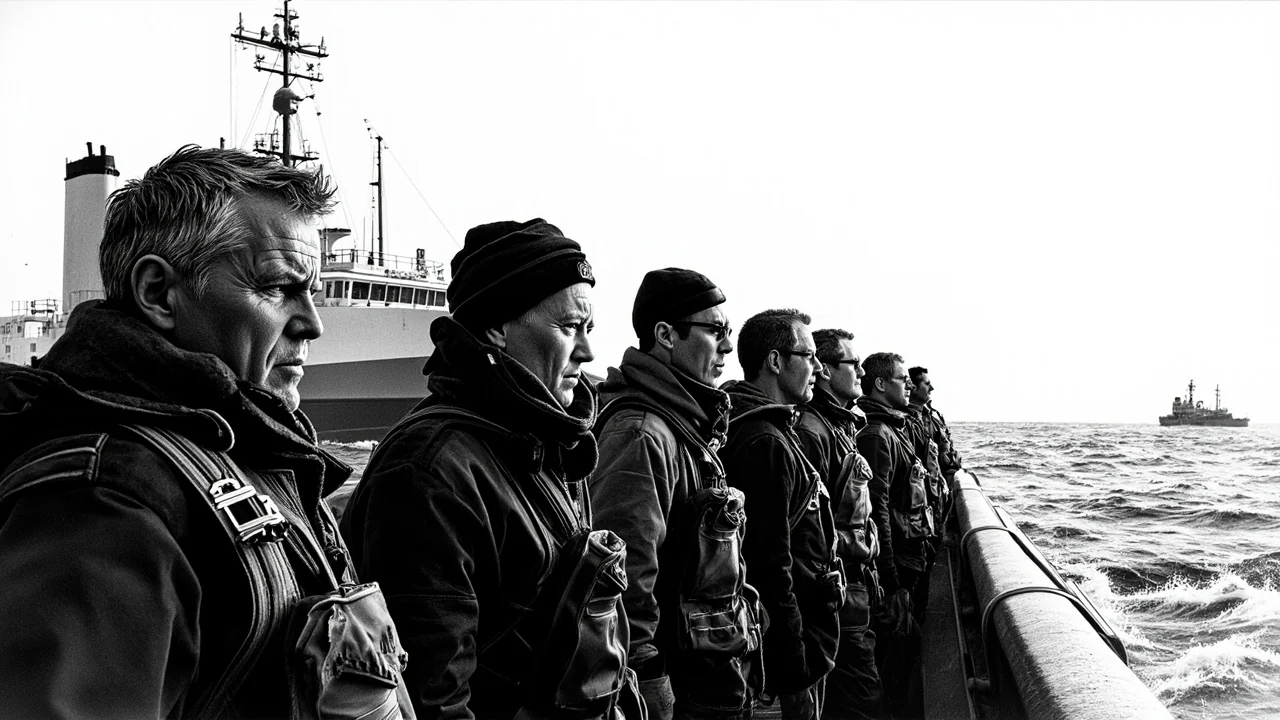
Norway's Coast Guard executed over 200 more defense assignments in Norwegian waters last year compared to previous levels, a shift its commander calls necessary but one that is directly reducing fisheries surveillance. The change, ordered by the military's operational headquarters, is drawing sharp criticism from the nation's fisheries director, who warns of long-term consequences for Norway's most important maritime industry.
“We must to a greater extent monitor what is happening, given the situation we have today,” said Coast Guard chief Øyvind Dunsæd. The assignments include following allied vessels, such as submarines requiring extra protection, in and out of territorial waters. They also involve monitoring vessels from “nations we need to keep an eye on” as they pass through Norway's vast economic zone, to ensure they continue sailing south or north.
Fisheries Oversight Suffers
This increased military focus comes at a direct cost to the Coast Guard's civilian tasks. “There is then less time to carry out resource control or support for the Norwegian Environmental Agency, the Coastal Administration, and our other primary agencies,” Dunsæd stated. This reduction in offshore fisheries patrols is the core concern for Frank Bakke-Jensen, Norway's Fisheries Director.
“I would have liked them to prioritize differently, so that we had more control out at sea,” Bakke-Jensen said. He acknowledged the increased defense tasks are not unnatural given the current global security climate but reacted strongly to the cut in fisheries enforcement, particularly far offshore. “It is worrisome,” he stated bluntly.
Quota System Under Threat
The practical impact, according to Bakke-Jensen, is a dangerous lack of information on fishing activity. This data gap threatens the scientific foundation of Norway's managed quota system. “Then we can have trouble setting precise quotas for next year. If we have little knowledge, we must set conservative quotas. That makes it more complicated for the fishermen, who are already in a very difficult situation now with low quotas and tougher operating conditions,” he explained.
This puts the Norwegian fishing industry, a cornerstone of the coastal economy from the Barents Sea to the North Sea, in a precarious position. Accurate catch reporting and at-sea surveillance are critical for setting sustainable quotas that balance stock conservation with fleet viability. Reduced patrols increase the risk of unreported fishing, undermining the entire management model.
A Clash of National Priorities
The tension highlights a fundamental policy clash playing out on Norway's continental shelf. On one side is the heightened Arctic and North Atlantic security posture following heightened tensions with Russia, requiring more naval and coast guard presence to monitor allied and non-allied traffic. On the other is the stewardship of the fish stocks that sustain coastal communities and a multi-billion-kroner export industry.
The Coast Guard's dual role, encompassing both military sovereignty tasks and civilian fisheries enforcement, is being stretched. Bakke-Jensen argues the military's operational headquarters, which assigns the missions, must reassess. “They should perhaps consider what assignments they follow, and with what type of ship. Is there an alternative to having control with sailings along the coast?” he asked.
He issued a direct challenge to military planners. “The operational headquarters must be clear that they prioritize what is the core task of the Coast Guard, and that is fisheries control.” This statement goes to the heart of the Coast Guard's legal mandate and its historical identity as a fisheries protection service that also supports national defense.
The Arctic Security Context
The shift is not occurring in a vacuum. Norway's vast northern waters and its border with Russia in the Barents Sea have become a focal point for NATO. The increased tracking of vessels through Norway's economic zone is part of a broader pattern of enhanced vigilance. The Coast Guard's vessels, like the Nordkapp-class offshore patrol vessels, are increasingly seen as vital assets for this persistent presence, capable of both surveillance and sovereign enforcement.
This reallocation of sea days from the fisheries directorate to the defense establishment means fewer inspections of trawlers and factory ships around vital fishing grounds like the Barents Sea Loophole margin or the Norwegian Deep. For the Fisheries Directorate, this represents a tangible reduction in state authority over its domain.
Seeking a Sustainable Balance
The debate now centers on whether a new equilibrium can be found. The Coast Guard's capacity is finite, dictated by the number of vessels and their operational readiness. Every day spent shadowing a foreign warship is a day not spent inspecting cod catches. The security situation suggests the number of defense missions is unlikely to decrease.
Potential solutions, as hinted by Bakke-Jensen, could involve more strategic use of different vessel types or a revised assessment of threat levels for certain monitoring tasks. However, any significant change would require a high-level political and budgetary decision to potentially increase overall Coast Guard resources or reassign naval assets to free up patrol days.
The outcome will signal Norway's practical priorities in the High North. Will it be a nation that primarily secures its territory for allies and monitors potential adversaries, or one that ensures the meticulous, sustainable management of the marine resources that define its coastal identity? For now, according to the fisheries director, the balance is tipping too far, and the stakes for the fishing industry are immediate and real. The coming state budget negotiations and deliberations within the Ministry of Defence and Ministry of Trade, Industry and Fisheries will show if Oslo can recalibrate this critical at-sea balance.