
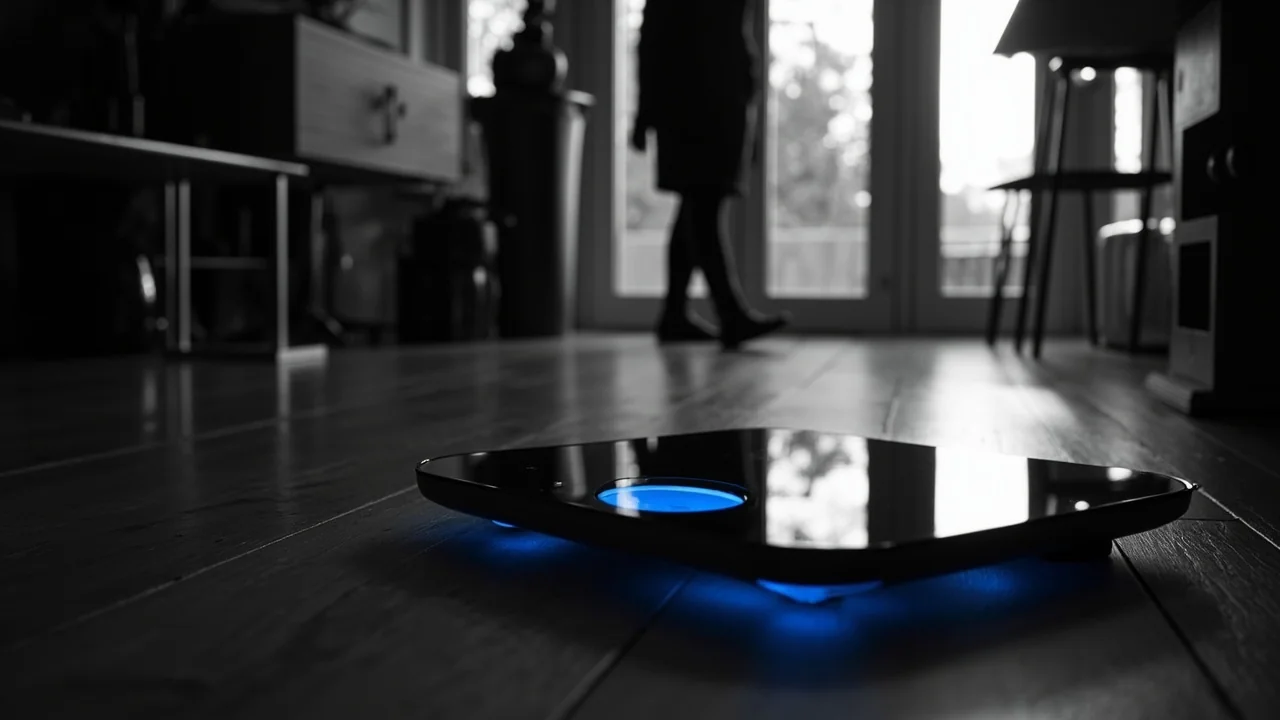
Norway’s electronics retailers are selling three times more bathroom scales this January than in autumn months. This seasonal health kick has created a significant sales boom for major chains. The trend highlights a national focus on weight as a health metric, even as experts question its true value. Communication chief at Elkjøp, Henrik Willanger, describes a period of wild growth during the first month of the year. Power and Clas Ohlson confirm the same pattern, indicating a widespread consumer movement. This surge means the bathroom scale, already a common household item, is finding its way into even more Norwegian homes.
Retail Shelves Cleared
The Elkjøp store in Sandnes has seen its shelves cleared of bathroom scales in January. The demand is undeniable and concentrated. For retailers, the annual January health resolution period is a reliable and substantial revenue driver. Willanger's statement frames it as a predictable yet powerful market force. The data from other major chains suggests this is a nationwide retail phenomenon, not isolated to one region or store. The sheer volume of the increase points to a deep-seated cultural habit. Norwegians are investing in this specific tool as their primary gateway to managing health at the start of the year.
Expert Calls Scales a Poor Health Gauge
While stores celebrate, nutritional physiologist and professor Elisabeth Lind Melbye is highly skeptical. She argues that we overestimate what the number on the scale actually tells us about our health. At her own home, there has not been a bathroom scale for 30 years. Melbye personally believes the bathroom scale is a waste of money. She states it provides a poor and very limited measure of health. Her professional critique is rooted in the technology's basic limitations.
The classic bathroom scale does not distinguish between fat and muscle mass. This means two people with the same weight can have completely different body compositions. The scale also fails to indicate where fat is located on the body. Melbye points out that the number says nothing about this distribution. It also does not account for a person's height, making the raw figure misleading for many. Her position challenges the very foundation of the January sales spike, suggesting consumers are buying an inadequate tool.
Consumers Divided on Scale's Value
Back at the Elkjøp in Sandnes, customer opinions are split. For Liv Karin Mellegård, the scale is a useful everyday tool. She believes it provides a good picture of her health. Now past seventy, she notices it is harder to train, which she links to weight and age. Mellegård weighs herself weekly and exercises two to three times a week. She appreciates the routine of monitoring her body weight. Her perspective represents the traditional view of the scale as a straightforward feedback mechanism.
Daniel Svalholm, however, does not share this approach despite also owning a scale at home. He thinks weight does not always say something about how one's health is. For him, it is more about perceived health and how you feel. Svalholm does not feel any extra need to weigh himself more frequently in January. His view introduces a more subjective, holistic measure of well-being that exists alongside the objective data of the scale.
The Unhealthy Side of Scale Obsession
Some Norwegians have experienced the negative psychological effects of bathroom scale ownership. Henrik Stang Rydin and his partner have thrown their scale out. For them, the number on the scale came to mean more than body shape or how their general health felt. This focus became an unhealthy fixation. Their decision to remove the scale was a conscious move to prioritize mental well-being over a single metric. It is a direct rejection of the pressure the device can create.
This experience points to a potential downside of the January sales boom. The scale's presence can shift focus from comprehensive health to a narrow and sometimes demoralizing number. The act of discarding the scale is a form of personal health policy, choosing qualitative feeling over quantitative measurement.
A Cultural Ritual with Lasting Questions
The January bathroom scale rush in Norway is a clear cultural and commercial event. Retailers can bank on this seasonal demand, and thousands of consumers participate. Yet the debate it sparks goes to the heart of how we define and measure health. Experts like Melbye provide a strong counter-narrative to the scale's popularity. They advocate for more nuanced understandings of fitness and body composition.
The divided opinions among customers in the store reflect a national conversation. Some find the scale a motivating guide, while others see it as irrelevant or even harmful. As the scales fly off the shelves each January, the fundamental question remains. Are we buying a useful health tool, or are we purchasing a simplistic number that fails to tell the real story of our well-being? The answer likely depends on who you ask, and the debate is unlikely to be resolved by next January's sales spike.