
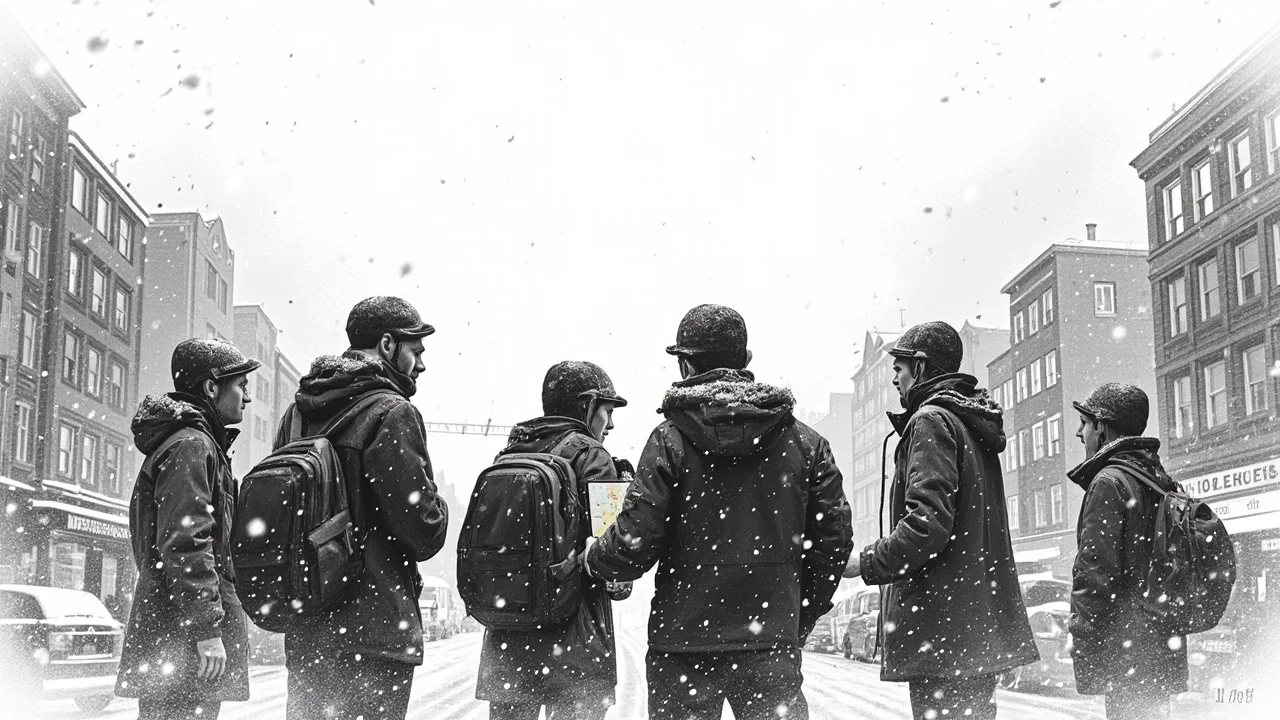
Norway's bitter cold snap is finally easing, but a new weather warning threatens Oslo's morning commute with 10-20cm of snow. The sudden shift from deep freeze to heavy snowfall presents a classic Nordic logistical challenge, one that local technology startups and public agencies are tackling with digital tools and real-time data.
Public transport operator Ruter has activated its winter response plan. "We are very aware of the situation," said press officer Øystein Dahl Johansen. The agency has prepared buses with snow chains for vulnerable routes and is in close contact with all service operators. Their primary advice to commuters is to plan for longer journey times and monitor live updates in their travel planning app.
A Capital Braced for Disruption
Meteorologists confirm the challenging conditions. "The weather change can lead to difficulties for both pedestrians and drivers," said duty meteorologist Espen Biseth Granan. He estimates most precipitation in the capital will be snow, possibly sleet. "It's about having the right equipment, both on wheels and feet," he advised. The yellow danger warning for snow covers Oslo, Akershus, and parts of Buskerud and Østfold, valid from Tuesday evening through Wednesday morning.
Further south, the situation could be more dramatic. From Agder and eastward along the coast, overnight precipitation may fall as rain, leading to a separate yellow warning for ice. This creates a dual threat across southern Norway: snow-clogged roads in the interior and icy surfaces along the coast.
The Digital Frontline of Winter Logistics
This weather event highlights how Norwegian cities manage winter disruption. The response is increasingly digital. Transport apps like RuterReise and Entur provide live updates, while city agencies use detailed forecasting from the Meteorological Institute to deploy snow ploughs and salting trucks efficiently.
Technology developed in Oslo's innovation hubs is playing a key role. Several Norwegian tech startups specialize in mobility and smart city solutions. Their platforms help analyze traffic flow, predict congestion points during bad weather, and optimize public transport routing in real-time. These tools are critical for minimizing the economic and social impact of severe weather.
"Our systems integrate live weather data with GPS from our vehicle fleet," explained a developer from an Oslo-based mobility startup, speaking on background. "When a snow warning is issued, our algorithms can suggest pre-emptive adjustments to bus schedules and resource allocation." This proactive approach is a hallmark of Norway's digital transformation in public services.
Commuter Advice in the App Age
For the individual commuter, preparation has also gone digital. Authorities strongly recommend using official apps to check journeys before leaving home. These apps aggregate data from multiple sources, providing a clearer picture than static schedules.
Ruter's Johansen had a clear message for Wednesday morning travelers. "Everyone should allow plenty of time, and follow the travel planner, which is updated continuously," he said. He also warned that bus stops themselves could become slippery, urging caution for pedestrians.
The reliance on technology extends to private vehicles. Apps showing real-time road conditions, like Vegvesen's Trafikkinfo, see user numbers spike during weather warnings. These services use data from roadside sensors and user reports to create a live map of hazards, a crucial tool for safe winter driving.
Beyond Oslo: A Regional Weather Split
The weather shift reveals Norway's diverse climate. While the inland east prepares for snow, coastal regions face a different threat. The warning for ice in Agder and the southeastern coast is due to expected rain falling on frozen ground. This can create "black ice," a transparent and particularly dangerous driving condition.
This regional split complicates national logistics. Transport companies moving goods between the icy coast and the snowy interior must adapt quickly. Again, data is key. Logistics firms use specialized software to track weather alerts along entire delivery routes, allowing for rerouting or schedule changes hours in advance.
Analysis: Stress-Testing Smart City Systems
Events like this serve as a real-world test for Norway's smart city ambitions. Oslo aims to be a leader in sustainable urban living, and resilient transport is a core component. The seamless integration of meteorological data, public transport management systems, and public communication channels is essential.
Experts note that the true measure of success is not just preventing chaos, but maintaining a reasonable level of service. "The goal is graceful degradation, not total failure," said a technology analyst familiar with Oslo's systems. "When 20cm of snow falls, can the city keep moving, even if more slowly? The digital infrastructure built by Norwegian developers is what makes that possible."
This infrastructure includes high-speed data networks that allow for the constant telemetry from buses and trams, cloud platforms that process this information instantly, and public APIs that let third-party app developers build services on top of official data. This ecosystem is a product of consistent investment in Norway's digital transformation.
Looking Ahead: A Pattern of Extremes
Meteorologists suggest such rapid weather shifts may become more common. The recent weeks of biting cold over Eastern Norway, followed by a sudden warm-up and heavy precipitation, fits a pattern of increasing volatility. This places even greater importance on adaptive, data-driven response systems.
For Norwegian tech companies, this creates opportunities. The need for better predictive analytics, more robust communication tools, and integrated mobility platforms is clear. Startups in Oslo's tech districts, from Grünerløkka to Fornebu, are well-positioned to develop these solutions, often testing them first in the demanding Norwegian environment before exporting them globally.
As the snow began to fall over Oslo on Tuesday afternoon, the city's digital and physical winter readiness campaigns were already in full swing. The coming hours will show how well the plans, the technology, and the public's preparedness align. The immediate challenge is Wednesday's rush hour, but the longer-term project is building urban resilience for an era of unpredictable weather. The solutions emerging from this cold snap will likely influence how Scandinavian cities everywhere handle winter in the future.