
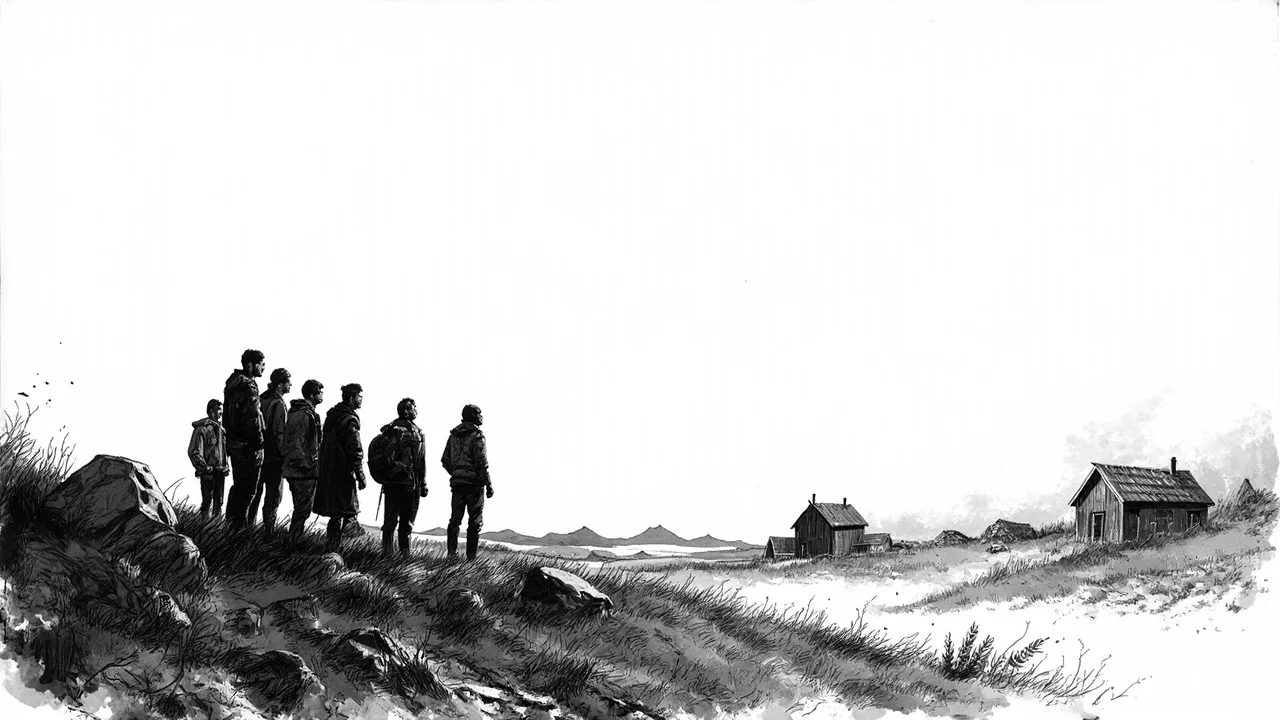
Norway’s Voss municipality is divided by a 2,300-dekar plot of land, an area the size of Bergen's city centre. The future of the former military base at Bømoen, sold by the Defence Ministry to private company Bømoen AS in 2012 for 41 million kroner, has sparked a bitter and exhausting decade-long conflict. It pits development against preservation, leaving residents weary and the community fractured.
A Community Weary of Strife
The dispute has become a heavy burden for the town. The local newspaper has been filled with reader submissions, and allegations of rumor-mongering and harassment are rampant. Many residents are now too afraid to state their opinion publicly. The human cost is clear in the voices of those who have had enough. 'I am very tired of the whole case, and I do not see that there will be any quick solutions to it either,' says Ingebrigt Nesheim. Sunniva Skinntveit adds, 'I think there is so much fuss about it that I almost block it out. There are two sides to a story.' The conflict consumes significant mental space. 'It takes up a lot of room and fills many heads here in Voss,' notes Sigrid Finne Engelsen.
The Heart of the Dispute
The core issue is what the owners should be allowed to do with the vast, flat area. It houses a decommissioned military camp, an airstrip, and a forested zone with many hiking trails. It is also a vital arena for air sports, general athletics, and emergency preparedness, and hosts major events like the Extreme Sports Week. It gained national fame as the filming location for the popular TV series 'Kompani Lauritzen.' The owners, two local construction firms, saw the site as attractive due to its central location and large gravel deposits. Their current plan designates over 70 percent of the area to remain as forest, outdoor recreation space, and hiking trails. The battle is over the remainder. Bømoen AS wants to develop business activity and a campsite there. The owners also see large potential in using the groundwater for energy production.
From Military Base to Battlefield
The land’s history adds weight to the present conflict. For over a century, large parts of Bømoen served as a military camp. The army established the camp in 1898-99 for the Sogn Battalion, capitalizing on the ongoing construction of the Bergen Line railway and the need for a central military muster point for Eastern Norway in case of war. After 110 years of operation, the military camp was closed in 2008. The sale to private interests four years later set the stage for the current division. The transition from a state-controlled, publicly understood space to a privately owned asset with commercial ambitions fundamentally altered the community’s relationship with the land.
The Stakes of the Standoff
The opposing fronts are steep. On one side are the landowners and those who wish to use the area for business and job creation. On the other are those determined to preserve its current character for nature, hiking, and air sports. This is not a simple policy debate but a struggle over the town’s identity. Bømoen represents both a cherished recreational commons and a potential engine for local economic growth. The tension between these two visions has proven irreconcilable so far. The conflict’s intensity, leading to personal accusations and a climate of silence, shows that more than land is at stake. Social cohesion and the community’s ability to deliberate on its own future are also on the line.
An Uncertain Path Forward
With the future of the area now set to be decided, there is no clear path to reconciliation. The national attention from television production has not eased local tensions but may have heightened the symbolic importance of the place. The community of Voss now faces a critical test. Can it bridge a divide that has grown for over ten years? The outcome will define not only the landscape of Bømoen but also the social landscape of Voss for a generation. The resolution, if one is found, will serve as a case study for other Norwegian towns grappling with similar inherited spaces and conflicting visions for their use.