
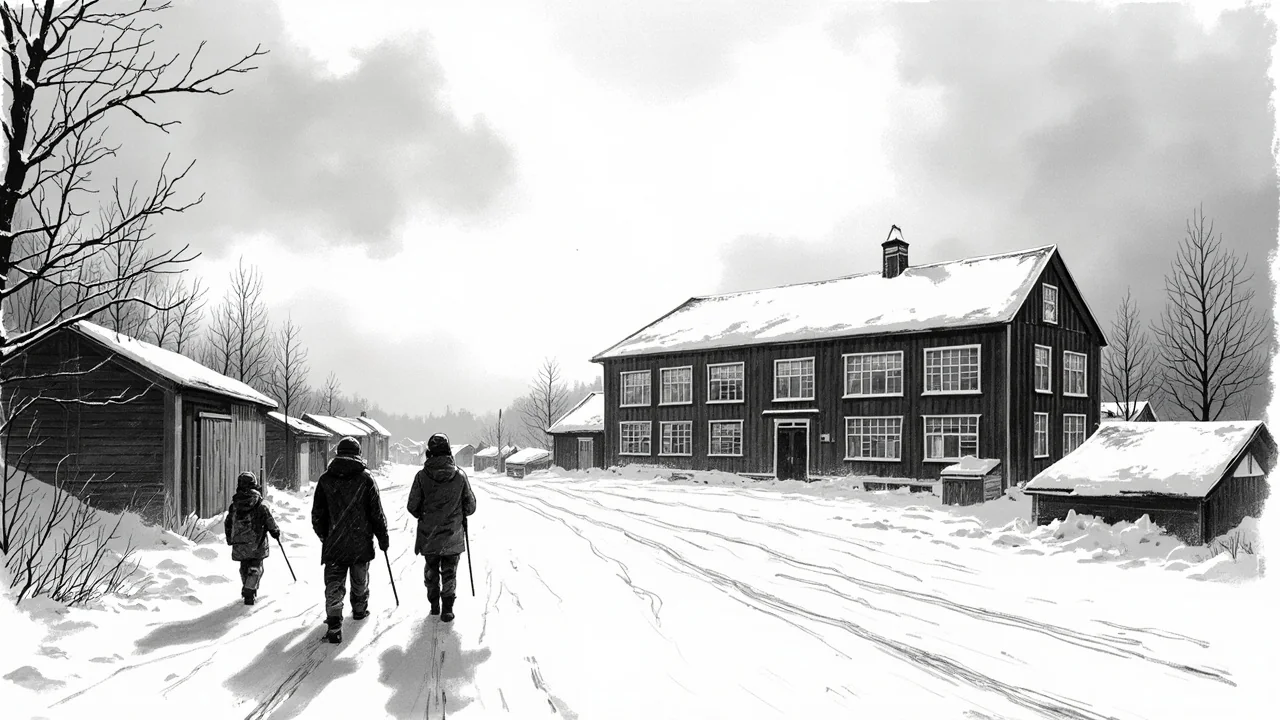
Norway's Berg School in Sømna municipality closed for one full day, leaving over 150 students home as blizzard conditions created unsafe travel. The decision, announced by school authorities, highlights the immediate risks severe weather poses to children in rural communities. Parents received messages early Tuesday morning informing them of the shutdown for all school activities, including after-school programs and cultural school sessions.
Rector at Berg School stated in a direct communication to families that road conditions were too hazardous for school bus operations. Heavy snowfall and poor visibility made it dangerous for children to wait at bus stops. The kindergarten remained open initially but faced possible closure on short notice if conditions worsened.
Local road maintenance crews worked intensively to clear routes, but persistent snowdrifts and limited visibility hampered progress. Authorities advised residents to avoid non-essential car travel to reduce accidents and aid clearance efforts. This swift action underscores the priority placed on student safety in Norway's unpredictable winter climate.
Immediate Impact on Families
The sudden closure disrupted daily routines for dozens of families in Sømna, a coastal municipality in Nordland county. Parents scrambled to arrange childcare or work from home, emphasizing the logistical challenges of remote living. For many, the school serves as a community hub, and its closure affects more than just education.
One parent, cited in local reports, expressed relief at the cautionary approach despite the inconvenience. "Knowing my child isn't waiting on a snowy roadside is worth the hassle," they said. This sentiment reflects a broader cultural acceptance of weather-related disruptions in Norway, where safety often trumps convenience.
School closures in Norway are typically decided at the municipal level, based on recommendations from road authorities and meteorologists. The process involves assessing real-time data on snowfall, wind speeds, and road visibility. In this case, the rector acted on advice from local maintenance teams monitoring the situation overnight.
Analyzing Norway's Weather Protocols
Norway has established strict guidelines for school operations during extreme weather, rooted in the country's frequent Arctic storms. The Norwegian Directorate for Education and Training provides a framework, but final decisions rest with local school leaders and municipality officials. This decentralized system allows for rapid response to local conditions.
Expert perspective from a Norwegian meteorologist, familiar with Nordland patterns, explains that Sømna's coastal location makes it prone to sudden weather shifts. "Maritime influences from the Norwegian Sea can bring intense snowfall combined with strong winds, creating whiteout conditions," the expert noted. Such events are common from November to March, testing infrastructure resilience.
In recent years, climate change has altered precipitation patterns in northern Norway, with some studies indicating more volatile winter storms. While this specific incident aligns with historical norms, it raises questions about long-term adaptations for rural schools. Investments in better road clearing equipment and digital learning tools are being discussed at the Storting to mitigate future disruptions.
Local Governance and Infrastructure
The closure decision ties into broader discussions about Norwegian municipal responsibilities. Sømna, with a population under 2,000, relies on limited resources for winter maintenance. Municipalities in Norway are legally required to ensure safe access to education, but budget constraints can affect response times during peak weather events.
Comparative data from the Norwegian Public Roads Administration shows that Nordland county often experiences higher closure rates for schools due to weather than southern regions. This disparity highlights the geographical challenges of providing uniform services across Norway's vast and varied landscape. The government's Northern Norway Policy aims to address such gaps through targeted funding.
Analysis of this event reveals the effectiveness of local communication chains. The rector's prompt messaging to parents via digital platforms prevented confusion and allowed for quick adjustments. Norway's high internet penetration, even in remote areas, facilitates this efficient dissemination of critical updates.
Broader Implications for Norwegian Society
This single-day closure in Sømna reflects a microcosm of larger issues facing Norway: balancing community safety with the demands of daily life in harsh climates. The incident underscores the importance of flexible work policies and community solidarity in rural areas. Many employers in Norway offer remote work options, which can alleviate pressure during such disruptions.
From a policy standpoint, repeated weather-related closures could prompt reviews of school calendar planning or infrastructure investments. Some politicians in the Storting have proposed extending the school year to account for potential lost days, but this remains contentious. The current system prioritizes immediate safety over rigid scheduling.
Looking ahead, as Arctic weather patterns evolve, Norwegian authorities may need to enhance contingency plans. This includes evaluating transportation alternatives, such as supervised pickup points or improved bus shelter facilities. Community feedback from events like this often informs municipal budget discussions for the following year.
A Testament to Precautionary Principles
The closure of Berg School, while disruptive, demonstrates Norway's commitment to its precautionary principle in child welfare. By erring on the side of caution, authorities minimize the risk of accidents or emergencies. This approach is ingrained in Norwegian society, where environmental awareness and safety are paramount.
As weather cleared by Tuesday evening, the school prepared to reopen Wednesday, with maintenance crews confirming safer conditions. The quick return to normalcy showcases the resilience of Norwegian communities in facing natural challenges. However, each such event adds to the collective experience, shaping better responses for future storms.
What does this mean for other rural municipalities across Norway? It serves as a reminder that infrastructure and education policies must continuously adapt to environmental realities. With climate projections indicating more extreme weather, the lessons from Sømna could inform national strategies for sustainable living in the Nordic region.