
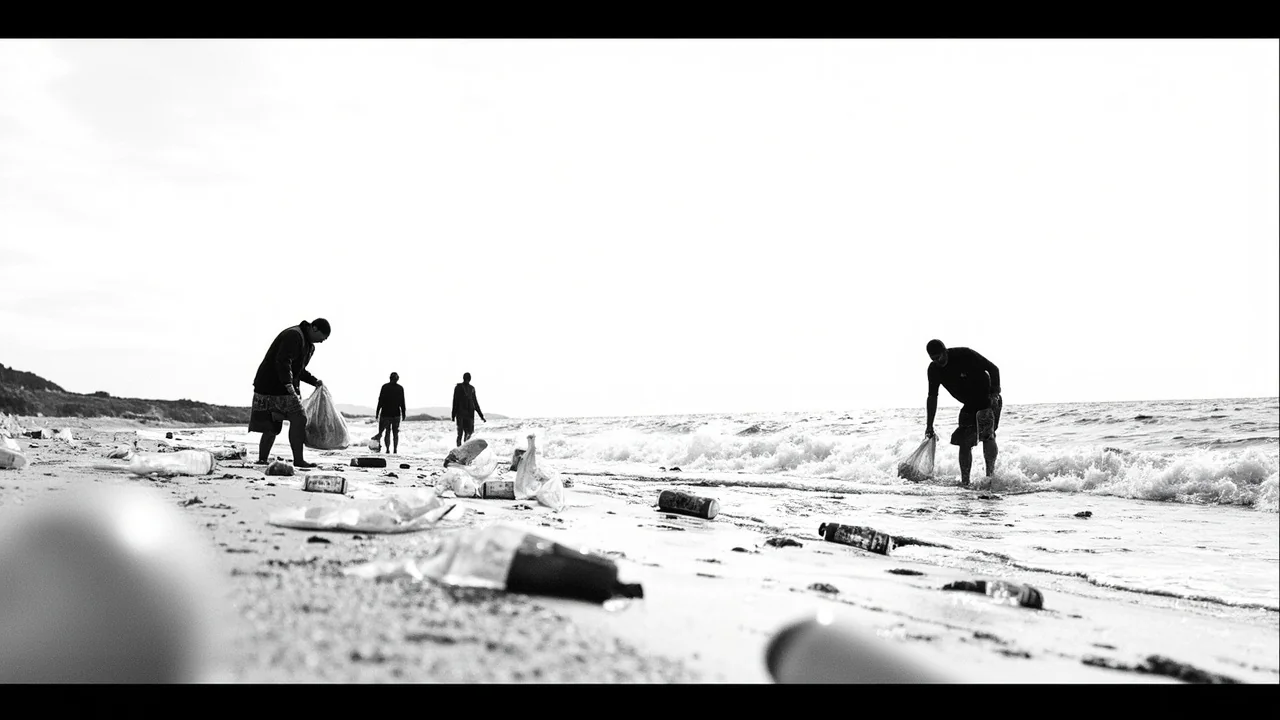
Norway’s fishing and aquaculture industries are responsible for 46 percent of all plastic waste found on the nation’s coastlines, according to a new assessment from the Environment Directorate. Items like rope ends, parts of nets, and trawl bags litter shores from the Oslofjord to the Arctic north. From now on, the sectors must collect more of this waste and pay for its handling under a sweeping new producer responsibility scheme announced by the government.
Climate and Environment Minister Andreas Bjelland Eriksen said the move directly targets a major source of pollution. “Equipment from fisheries and aquaculture litters the sea and beaches, and causes microplastics to spread in the environment. We believe that producers must pay to collect and handle such equipment,” Eriksen said in a statement. The regulation represents a significant shift in financial and operational responsibility onto the industries most identified with coastal plastic pollution.
The Scale of the Problem
The 46 percent figure, compiled by the Environment Directorate, quantifies a long-visible problem for communities along Norway’s extensive coastline. The waste primarily consists of lost or discarded fishing gear—materials designed for durability that can persist in the marine environment for decades. This debris poses risks to wildlife through entanglement and, as it breaks down, contributes to the growing crisis of microplastic contamination in Norwegian waters. The announcement frames the issue not merely as litter but as a systemic failure in waste management for maritime industries.
How the New Rules Will Work
The core of the new policy is an extended producer responsibility (EPR) scheme. This legal framework makes producers—in this case, those who manufacture or import fishing and aquaculture equipment—financially and physically responsible for their products at the end of the product’s life. In practice, the industry will be required to establish and fund systems for the collection, transportation, and environmentally sound treatment of discarded gear. The government’s move aligns Norway with broader EU environmental directives and marks a stricter application of the ‘polluter pays’ principle to its cornerstone maritime sectors.
The scheme will necessitate new logistics chains for waste retrieval from remote fishing grounds and aquaculture sites in fjords like the Hardangerfjord or near key fishing zones outside Lofoten. Companies will need to report volumes of equipment placed on the market and waste collected, with the goal of creating a circular economy for maritime plastics. The financial costs, which will be borne by the industry, are intended to create a direct economic incentive to design longer-lasting, repairable, and more easily recyclable equipment.
Industry Impact and Existing Efforts
Norway’s fishing and aquaculture sectors are pillars of the national economy and export identity. The introduction of a mandatory, costly EPR scheme will add a new layer of compliance and operational expense. While some industry players have voluntary retrieval programs, the government’s assessment indicates these are insufficient to tackle the scale of the problem quantified by the Environment Directorate. The state sees mandatory, unified regulation as the only way to ensure comprehensive action.
The policy does not exist in a vacuum. It complements other recent Norwegian environmental mandates, such as the requirement for microplastic filters on wastewater from plastic-producing industrial plants, and ongoing clean-up initiatives for historic marine litter. However, this regulation is uniquely proactive, aiming to stop waste at its source rather than merely cleaning it up. The success of the scheme will depend heavily on practical implementation, enforcement, and the development of cost-effective recycling technologies for complex, saltwater-saturated plastics.
A Broader Environmental Push
This move fits within the broader environmental policy framework of the Oslo government, which has sought to balance its economic reliance on offshore oil and gas with ambitions for ocean stewardship and circular economy leadership. Minister Eriksen’s statement underscores a policy trend of holding industries accountable for their environmental footprint across the supply chain. The Storting has previously shown cross-party support for stronger measures against marine plastic pollution, viewing it as a threat to Norway’s international reputation for pristine natural environments.
The focus on fisheries and aquaculture waste also has an Arctic dimension. As activity increases in the Barents Sea, preventing plastic pollution is seen as crucial to protecting vulnerable northern ecosystems. The government’s Arctic policy documents emphasize clean oceans as a priority, making this domestic regulation a component of Norway’s wider geopolitical and environmental stance in the High North.
The Road Ahead for Cleaner Fjords
The immediate next steps involve the detailed design and phased implementation of the producer responsibility organization the industries must form. Key details on fee structures, collection targets, and reporting standards are still to be finalized. Stakeholder consultations with fishery associations, aquaculture corporations, and coastal municipalities will be critical. The ultimate test will be on the water and along the shores: whether this financial and legal framework can tangibly reduce the 46 percent of plastic waste that currently washes up on Norway’s beaches, ensuring its fjords and seas meet the clean, healthy standards the nation projects to the world.