
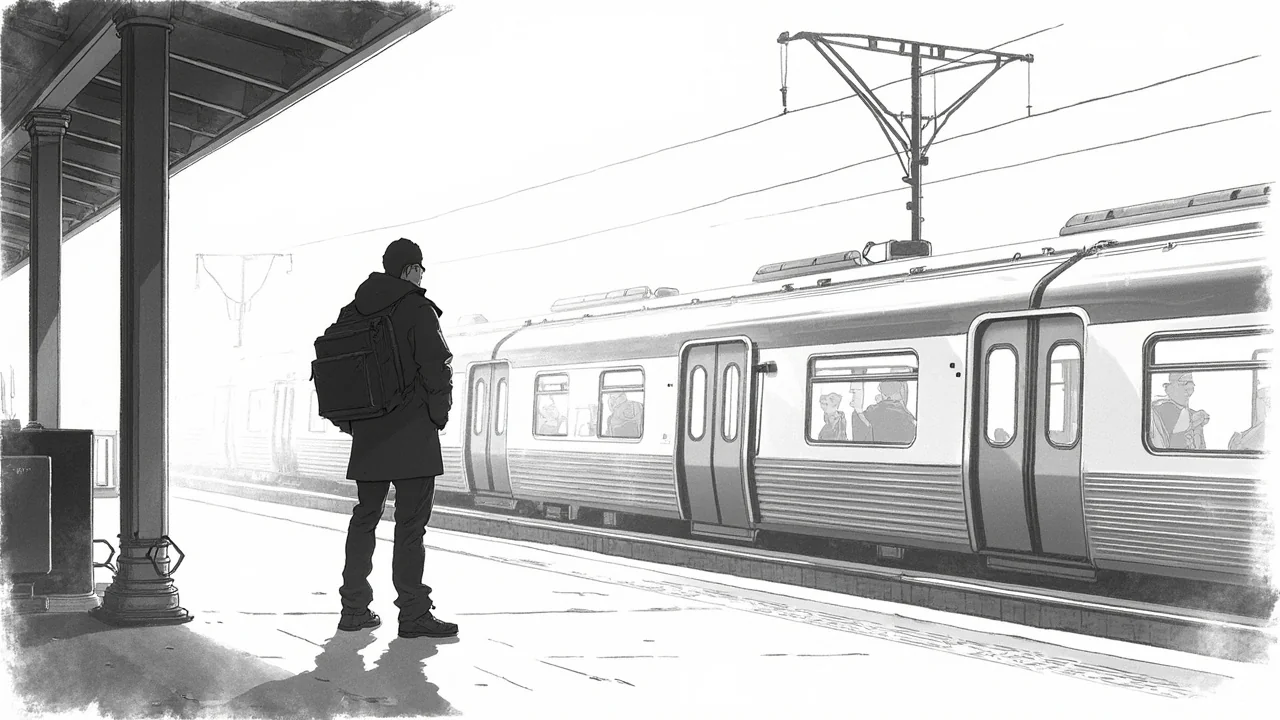
Norway's state railway operator Vy will increase ticket prices by an average of 3.8 percent from February 1, 2026, making train travel more expensive for millions of passengers. The company also announced a tightening of student discount rules, lowering the eligibility age. The changes will apply to Vy's own single and season tickets, marking a direct hit to household travel budgets as the country grapples with persistent inflation.
Vy stated the price adjustments align with general price growth in society. In a press release, the company framed the increase as a necessary response to broader economic pressures. For travelers using Vy's trains, the move represents the latest in a series of incremental fare hikes that have steadily increased the cost of rail transit over recent years.
Details of the Fare Increase
The new prices take effect on February 1, 2026. The 3.8 percent average increase applies specifically to Vy's own single tickets and period tickets. Travel within the Ruter region, which covers Oslo and Viken, will continue to be governed by Ruter's separate ticket terms and prices. This creates a patchwork of fare systems where commuters crossing regional boundaries face complex pricing structures.
The announced hike is below Norway's current inflation rate but will nonetheless add to the cost of daily life. A commuter spending 2000 kroner monthly on a season pass will see their annual cost rise by nearly 1000 kroner. The decision follows a pattern where transport operators adjust fares annually, often citing rising operational costs, wages, and infrastructure charges.
Stricter Rules for Student Discounts
A significant parallel change involves student discounts. Starting the same day, February 1, 2026, passengers must be under 30 years old to qualify for a student discount on both single tickets and period tickets. This represents a major policy shift. Until now, the age limit of 30 only applied to single tickets, with period tickets for students having no formal upper age limit.
The change will primarily affect older students, including those pursuing second degrees or later-in-life career changes. A university student over 30 using a monthly season pass will lose their discount entirely, facing the full price increase on top of losing their reduced fare status. Vy has not provided a rationale for harmonizing the age rule across ticket types.
Political and Public Backlash
The announcement has drawn immediate criticism from passenger associations and political parties, particularly those on the left. They argue the increase contradicts national goals of shifting traffic from roads to rails to meet climate targets. Making train travel less affordable, they contend, incentivizes car use and increases carbon emissions.
Several Storting members have already pledged to question Transport Minister Jon-Ivar Nygård about the state-owned company's pricing policy. They are expected to ask whether the government, as Vy's owner, approved the plan and how it aligns with Norway's stated ambitions for green transport. The debate touches on a core tension in Norwegian policy: balancing the budget of state enterprises with societal welfare and environmental goals.
Broader Transport Cost Context
This fare rise occurs within a wider landscape of increasing mobility costs. Road tolls in urban areas have risen, and ferry fares have also seen adjustments. Critics point out that while electric vehicle ownership is heavily subsidized, public rail travel faces repeated price hikes. This dynamic, they argue, creates an uneven playing field in the transport sector.
The cost of maintaining and modernizing Norway's rail network, known for its challenging geography spanning fjords and mountains, is immense. Major projects like the Follobanen and the ongoing upgrades to the Bergen Line require significant investment. Fare revenue is one stream contributing to this, though the state provides substantial direct funding for infrastructure.
Impact on Commuting and Tourism
For daily commuters, especially those traveling between cities like Oslo, Bergen, Trondheim, and Stavanger, the increase will be felt directly in their monthly expenses. It may force some to reconsider living arrangements or modes of transport. For tourism, a marginally more expensive train journey could influence travel decisions, though Norway's scenic rail routes like the Flåm Railway often command premium tourist prices separate from regular fares.
The long-term question is whether such incremental increases, compounded over time, will degrade the competitiveness of rail against domestic flights and private cars. Norway's geography makes air travel a fast alternative for long distances, though it is far more polluting. The government's aviation tax policies will interact with these rail fares in determining traveler choices.