
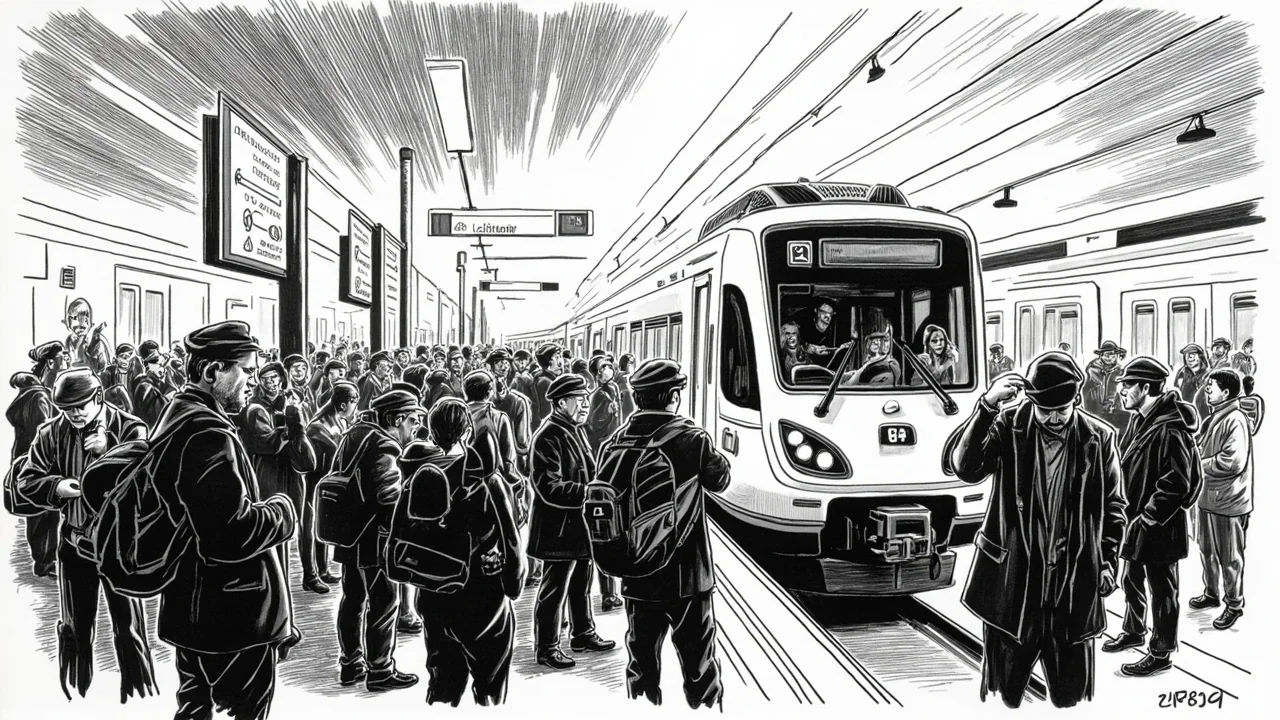
Norway's Oslo S to Skøyen rail corridor, a vital link for over 50,000 daily passengers, faced severe disruptions during Friday's evening rush hour due to a signal failure. The incident caused widespread delays and cancellations, stranding commuters across the capital region. Bane Nor, the state-owned railway infrastructure manager, confirmed the fault has been rectified but warned that residual delays and cancellations would persist into the evening. Passengers were advised to seek updated information from their train operators for ongoing travel plans. This breakdown highlights persistent vulnerabilities in Norway's critical transport networks, raising questions about infrastructure resilience amid growing urban demand.
Immediate Chaos in the Capital
Commuters experienced significant travel chaos as the signal failure between Oslo Central Station and Skøyen station occurred at approximately 4:30 PM, peak travel time. Hundreds of scheduled services were affected, with many trains halted or rerouted, creating backlog across the network. Passengers reported crowded platforms and confusion, with alternative transport options like buses and trams quickly overwhelmed. Bane Nor's traffic update stated, 'You must still expect delays and cancellations,' urging travelers to plan accordingly. The agency emphasized that while the technical fault was fixed, restoring normal service would take hours due to cascading disruptions across the system.
Bane Nor's Technical Response
Bane Nor's technical teams worked swiftly to diagnose and repair the signal fault, which was linked to a localized system malfunction on the busy stretch of track. The corridor between Oslo S and Skøyen is one of Norway's most trafficked rail segments, handling commuter, regional, and some freight lines. A Bane Nor spokesperson said in a statement, 'Our priority is restoring safe operations, and we apologize for the inconvenience caused to passengers.' The agency did not specify the exact cause but noted that such failures are rare, though they have occurred previously during extreme weather or system upgrades. This incident follows a pattern of sporadic disruptions on this line, which has seen increased pressure from rising passenger numbers.
Historical Context of Rail Vulnerabilities
This signal failure is not an isolated event. Over the past five years, similar incidents have caused an average of 10 major disruptions annually on the Oslo area network, according to Bane Nor's own reports. The Oslo S to Skøyen section is particularly critical as it connects key business districts, including areas near government buildings like the Storting and ministries, impacting public and private sector workers. In 2022, a parliamentary committee highlighted aging signaling systems as a risk factor in Norway's transport strategy. Delays on this route can ripple out to affect connections to major oil industry hubs, such as those near Stavanger or Arctic supply chains, though primarily through logistical bottlenecks for commuters in energy sectors.
Political and Infrastructure Implications
The disruption has immediate political ramifications, with Storting members likely to question Transport Minister Jon-Ivar Nygård on infrastructure spending. Norway's government has allocated 100 billion kroner to rail modernization under the National Transport Plan, but projects like the Follo Line upgrade have faced delays. During a Storting debate last month, opposition politicians criticized slow progress on signaling upgrades, citing risks to economic productivity. This incident may intensify calls for accelerated investment, especially as Oslo's population grows and climate goals push for increased public transit use. The signal failure also indirectly touches energy policy, as reliable transport is crucial for workforce mobility in sectors like offshore oil, where shifts align with commuter patterns.