
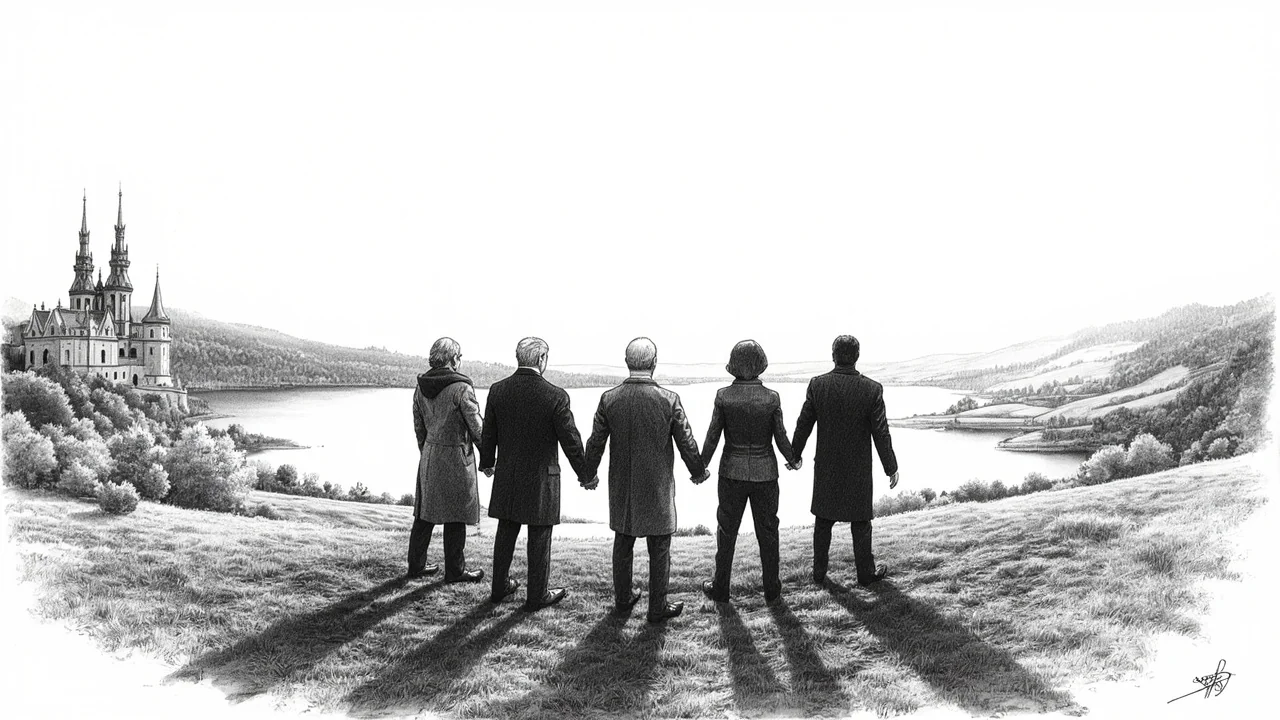
A landmark collaborative tourism initiative uniting Norway, Sweden, Denmark, Finland, and Iceland has been formally announced. The project aims to create a unified travel experience across the Nordic region, marking a significant shift in intergovernmental cooperation on economic and cultural policy. This move signals a strategic alignment of national tourism boards and cultural ministries, with implications for regional branding and economic planning. The initiative represents one of the most comprehensive joint ventures in Nordic history, moving beyond simple marketing to integrated service delivery.
Norwegian Minister of Tourism Linda Hofstad Helleland stated the initiative demonstrates strong bonds and a shared commitment to showcasing Scandinavia. Swedish Minister of Culture and Democracy Parisa Liljestrand added that collaboration highlights the diversity and richness of the region for international visitors. These statements, released from their respective government offices, underscore the high-level political backing for the project. The involvement of multiple ministers indicates coordination across cabinet levels in each capital.
Historical context reveals this is not the first cooperative effort. The Nordic Council has long promoted cross-border initiatives in various policy areas. Previous joint marketing campaigns existed but were often limited in scope and funding. This new initiative appears more ambitious, aiming for a seamless multi-country itinerary. It reflects a post-pandemic drive to revitalize tourism sectors through collective action rather than national competition. The bureaucratic process likely involved extensive negotiations between tourism agencies and foreign ministries in Oslo, Stockholm, Copenhagen, Helsinki, and Reykjavik.
For the Swedish government, participation aligns with broader goals of promoting Swedish culture and stimulating regional economies outside major urban centers. Riksdag decisions on tourism funding and international cooperation frameworks enable such ventures. Stockholm politics often emphasize balancing national interests with Nordic solidarity, and this project tests that balance. The initiative requires navigating different national regulations on hospitality, transport, and guiding services. Success depends on harmonizing these aspects without lengthy legislative processes in each national parliament.
What does this mean for travelers and local economies? Tour operators can design packages that cross borders with simplified logistics. Visitors might experience the Norwegian fjords, Swedish archipelagos, Danish design, Finnish lakes, and Icelandic geothermal spas in one coordinated trip. Local businesses in rural areas stand to gain from increased visitor flow. The project could also strain infrastructure in popular destinations during peak seasons. Municipalities may need to prepare for higher demand on services and accommodations.
The next phase involves developing detailed itineraries and booking systems for launch. Officials will work on standardizing quality certifications and creating joint visitor information platforms. This technical work is complex but crucial for the promised seamless experience. The initiative's true test will be operational delivery, not just political announcement. If successful, it could become a model for other regional blocs seeking to boost tourism collectively. The focus now shifts to the civil servants in government districts across the Nordics tasked with implementation.