
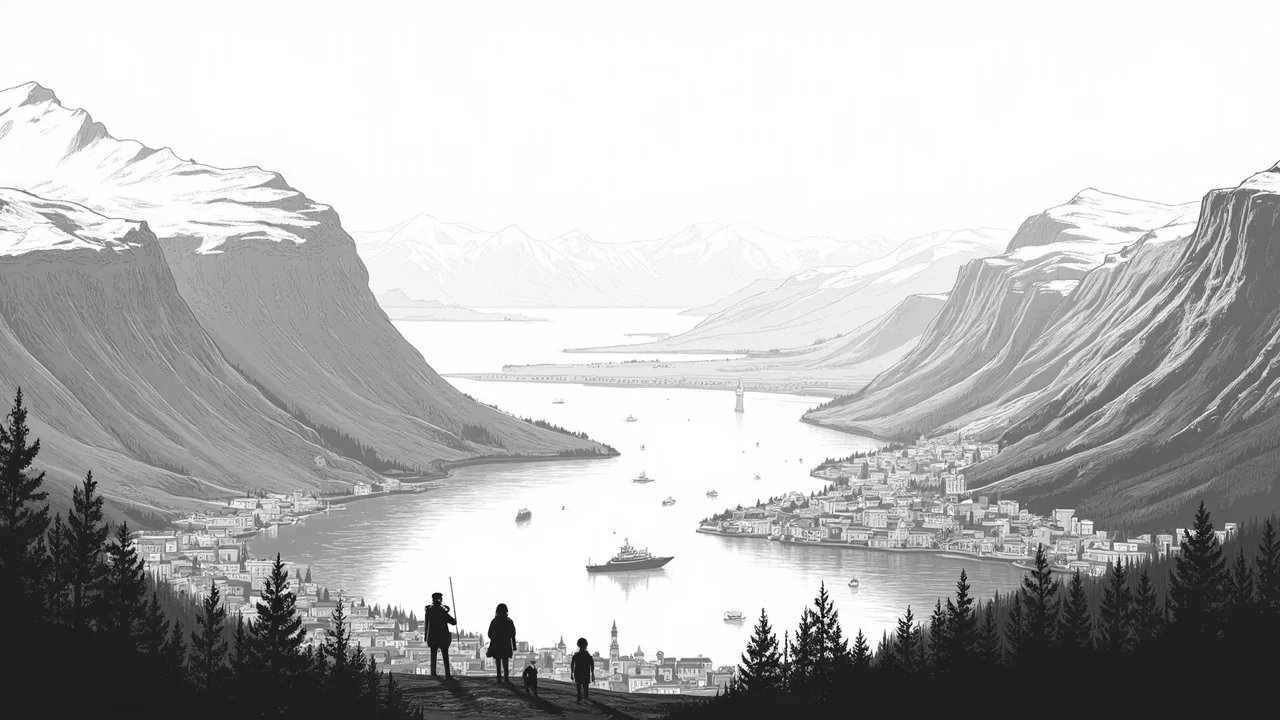
Norway has launched a landmark travel collaboration with Sweden, Denmark, Finland, and Iceland. The joint initiative promises a comprehensive journey across the entire Scandinavian region. It aims to create the definitive Nordic adventure for international visitors. The project will launch in the coming years, with detailed itineraries to follow.
This marks the first time all five nations have united for a single tourism product. Past efforts were smaller or bilateral. The Nordic Council has long promoted regional cooperation on various fronts. Tourism, however, has typically been managed by individual national boards. This new venture signals a strategic shift toward a unified Nordic brand in the global travel market.
Norwegian officials announced the partnership this week. "This project celebrates our shared heritage and stunning landscapes," said the Norwegian Minister of Culture and Equality. She made the statement during a press briefing in Oslo. The goal is to simplify travel planning across borders. Visitors often wish to see multiple Nordic countries in one trip. Current logistics can be complex for those unfamiliar with the region.
The collaboration will likely feature interconnected routes. These could link Norway's western fjords with Sweden's archipelagos and Finland's lakes. It may also include Denmark's historic cities and Iceland's volcanic terrain. A digital platform for planning and bookings is expected. Such a platform would need to integrate services from five different countries. That is a notable technical and bureaucratic challenge.
For the Nordic tech sector, this presents clear opportunities. Oslo-based startups specializing in travel tech could see new demand. The initiative will require robust digital infrastructure for seamless cross-border travel. This includes apps for transport, accommodation, and cultural experiences. Developers in Stockholm's and Copenhagen's innovation districts may also contribute. The project aligns with broader Scandinavian digital transformation goals in the public sector.
From a practical view, the success hinges on execution. Aligning five different national tourism strategies is not simple. Each country has its own priorities and private sector partners. The economic model for sharing revenue must be fair. There is also the question of seasonality. Promoting a unified summer and winter experience across such diverse climates is complex.
If successful, the alliance could significantly boost visitor numbers. It would market the Nordics as a single, diverse destination rather than five separate ones. This could benefit smaller local businesses along the proposed routes. Rural areas in northern Norway and Finland might see increased traffic. The project also reinforces a political message of Nordic unity and cooperation on the world stage.
The participating governments will now form working groups. They will design the travel packages and a joint marketing campaign. Further announcements with specific routes and partners are expected next year.