
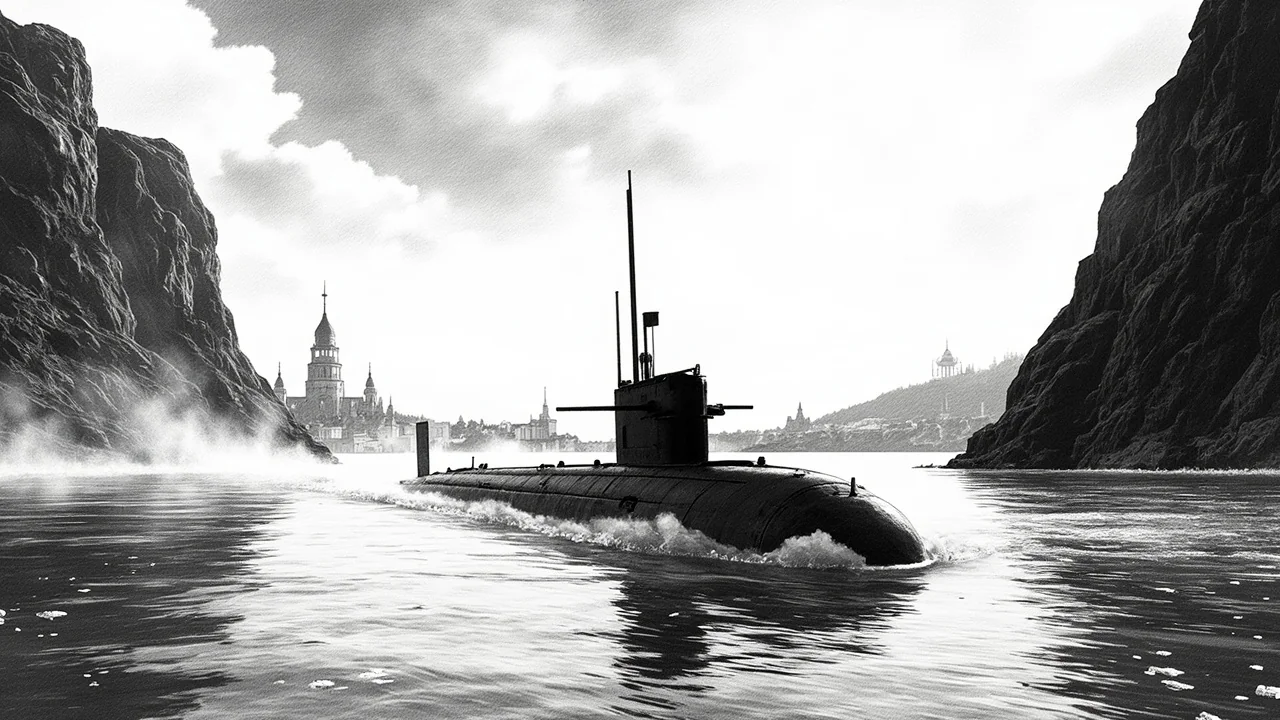
Norway's state-owned grid operator Statnett has rejected a power request from the Defense Property Agency for Ramsund naval base in Troms, where the country's new submarines will dock from 2029. The rejection exposes how Norway's electricity infrastructure has become a bottleneck for critical national security projects.
Defense loses to data centers in power queue
The submarine base sits behind commercial projects in Statnett's capacity allocation system. According to Nord-Norsk Debatt, Melkøya and Bjerkvik data center received grid connections ahead of the military facility. All available capacity north of Ofoten has been reserved for years, with mature customers waiting in lengthy queues.
This creates an absurd situation where Norway society prioritizes private data processing over housing its submarine fleet. The Progress Party now proposes "conditional connections" that would allow critical users like the Defense Ministry to connect with agreements to be disconnected first during grid emergencies. Energy Minister Terje Aasland supports the concept but admits Statnett has been "cautious" about maximizing grid utilization.
The fish feed company Polarfeed also received a rejection for a new factory in Svolvær, showing the problem extends beyond military infrastructure. Riksrevisjonen criticized authorities last year for inadequate grid expansion, calling it an obstacle to industrial transformation.
Quick fixes versus long-term capacity
Progress Party energy spokesman Kristoffer Sivertsen argues conditional connections could unlock reserved capacity held for emergency preparedness. Under this system, industrial users and defense installations would accept being first disconnected during grid stress in exchange for immediate access.
Statnett already uses this approach selectively, but Riksrevisjonen found the grid operator underutilizes flexibility services and conditional connections. The audit office blamed unclear regulations, technical challenges, and resource constraints at regional grid companies.
Aasland acknowledges the grid represents "a neglected political area for too many years" and says work should have started 10-15 years ago. New power lines require 7-14 years to build, according to the 2022 Grid Committee report. The government has increased resources for processing applications and Statnett is raising investments, but capacity shortages persist nationwide.
Political intervention coming
The government plans to submit legislation prioritizing defense interests in grid queues, according to NRK. This represents a fundamental shift from Statnett's current first-come, first-served allocation system toward strategic prioritization.
The submarine base controversy reveals deeper tensions between Norway's market-based grid management and national security requirements. While Aasland pushes for faster expansion and better capacity utilization, the immediate problem remains: critical defense infrastructure waits behind commercial projects in power queues.
Expect Stortinget to pass emergency legislation by summer giving defense projects automatic priority in grid allocation, regardless of queue position.
Read more: Norway Submarine Base Faces Power Grid Rejection Crisis.
Read more: Norway's 5000-Kroner Shingles Vaccine Creates Class Divide.