
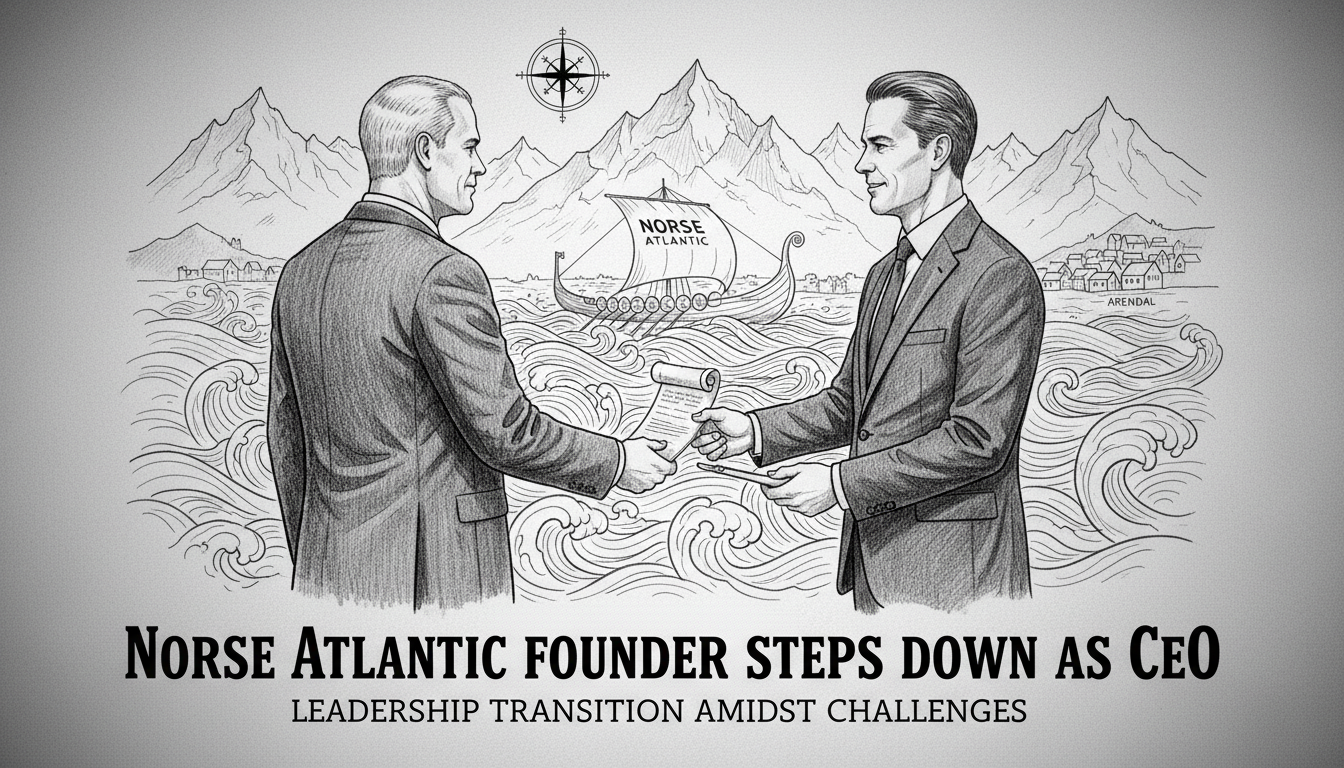
Norwegian aviation faces a pivotal leadership change as Norse Atlantic Airways founder Bjørn Tore Larsen steps down from his chief executive role. The Arendal-based airline announced the immediate transition in a stock exchange filing. Larsen will maintain influence as board chairman while former executive Eivind Roald assumes the chief executive position. This management reshuffle occurs during a challenging period for transatlantic carriers facing fuel price volatility and shifting travel patterns.
Leadership transitions in Norwegian aviation carry substantial implications for regional economic development. Arendal's coastal economy has benefited from Norse Atlantic's operations connecting Southern Norway with major North American destinations. The airline's strategic decisions affect employment at Torp Airport and regional maritime supply chains. Norwegian aviation policy traditionally supports homegrown carriers competing against larger European conglomerates.
Founder-CEO departures often signal strategic pivots in competitive transport sectors. Larsen established Norse Atlantic following Norwegian Air Shuttle's long-haul restructuring. His continued board involvement suggests gradual transition rather than abrupt departure. The new CEO inherits fleet management decisions for Boeing 787 aircraft serving destinations like New York and Fort Lauderdale.
Norwegian aviation authorities monitor carrier stability amid global economic uncertainty. The country's sovereign wealth fund investments indirectly affect airline financing through broader market exposure. Parliament's transportation committee previously addressed aviation sector challenges during Storting energy debates. Conservative Party representatives emphasized maintaining Norway's international connectivity.
Airline leadership changes typically precede operational adjustments. Industry observers will monitor potential route modifications and fleet utilization rates. Norwegian carriers must balance environmental commitments with operational demands across challenging Arctic routes. The government's aviation white paper highlighted sustainable aviation fuel development as national priority.
Scandinavian aviation faces particular pressure from high operating costs and environmental regulations. Norse Atlantic's new leadership must navigate European Union emissions trading while maintaining competitive fare structures. The airline's Oslo-based operations connect with Norway's extensive energy industry travel demands.
What does this executive change mean for transatlantic travel options? Norwegian travelers rely on competitive pricing for North American routes. The new CEO's background in aviation operations suggests focus on cost management and route profitability. Norway's extensive business connections with North America ensure consistent demand for premium cabin services.
Airline management transitions often bring fresh perspectives on fleet composition and market positioning. Norse Atlantic's distinctive livery has become familiar at Oslo Airport alongside Scandinavian Airlines and Norwegian Air Shuttle. The carrier's future growth plans may involve additional destinations from secondary Norwegian airports.
Norwegian aviation remains crucial for connecting remote communities with international hubs. The transportation ministry's recent infrastructure report emphasized maintaining air links for coastal regions. Norse Atlantic's continued operations support Southern Norway's tourism industry and business connectivity.