
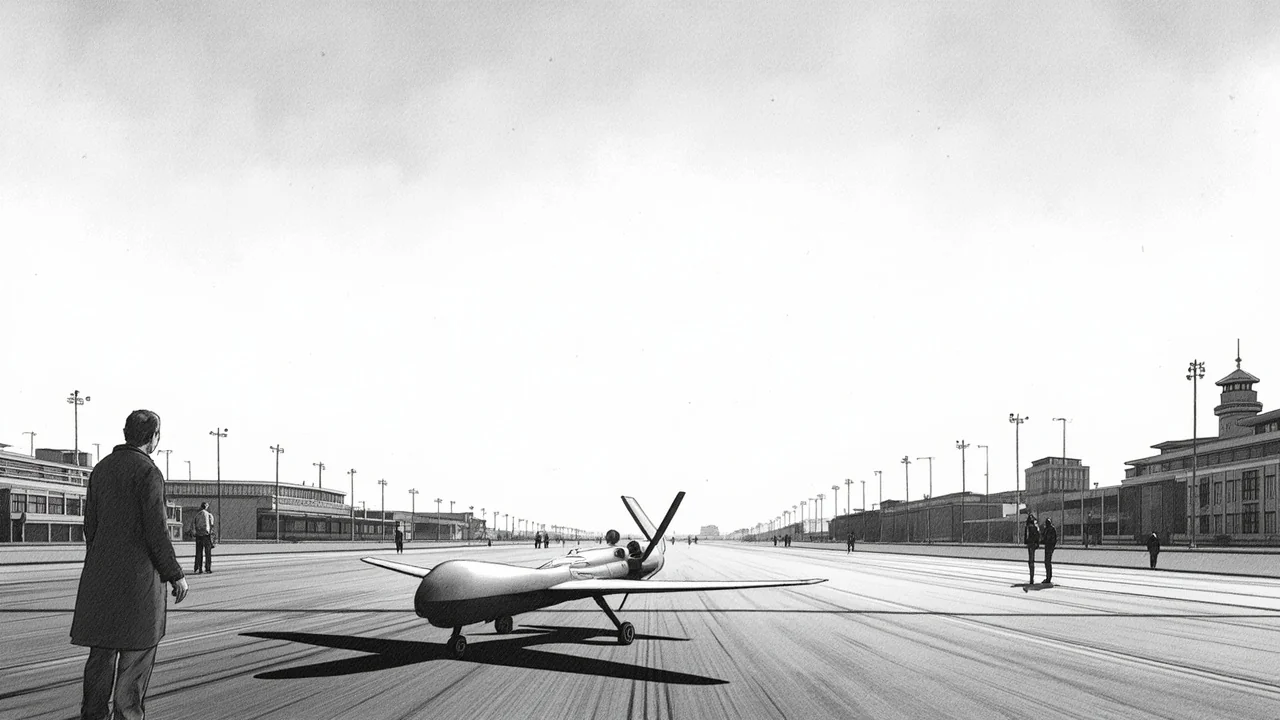
Norway's main international airport faced a major security shutdown after a drone was detected within its restricted airspace. Oslo Airport Gardermoen closed its eastern runway for over an hour on Tuesday afternoon, diverting all air traffic and causing delays. Airport operator Avinor confirmed the incident and police launched a search for the drone operator.
“We detected a drone within the prohibited zone after 2 PM. For safety reasons, all traffic is being diverted to the western runway,” said Avinor press officer Karoline Pedersen. The police operation is ongoing, with Øst Police District operations manager Rune Isaksen confirming an active search.
This is not an isolated event. Norwegian airspace has seen a sharp increase in drone incidents near critical infrastructure. Each event triggers immediate, costly security protocols. The closure of a primary runway at Scandinavia's second-busiest airport highlights a persistent vulnerability.
A Persistent Threat to Critical Infrastructure
Drone intrusions at Gardermoen have moved from rare anomalies to recurring security headaches. The airport's location, 50 kilometers north of Oslo, presents a large perimeter to monitor. Avinor's strict policy mandates runway closures and traffic diversions for any confirmed drone sighting within the 5-kilometer no-fly zone. This protocol stems from the catastrophic potential of a drone-aircraft collision.
“We have routines for this and take no chances when drones are within the prohibited zone,” Pedersen stated. This zero-tolerance approach is necessary but disruptive. Every minute a runway is closed creates a ripple effect across European flight schedules. On Tuesday, Avinor managed to limit delays to what they called “minor,” but the cumulative economic impact of these disruptions is significant.
The incident underscores a broader national security discussion. Norway’s vast geography and long coastline make monitoring low-altitude airspace exceptionally challenging. Drones, readily available and easily modified, present a cheap and effective tool for espionage, harassment, or attack.
The Legal and Policing Challenge
Norwegian law prohibits drone flights near airports, prisons, and other sensitive sites without explicit permission. The penalty for violations can be severe, including fines and imprisonment. Yet enforcement remains difficult. Identifying and locating a drone operator in real-time, especially one operating intentionally to avoid detection, tests police resources.
“Police have been notified and are searching for a drone pilot,” said Operations Manager Rune Isaksen. This statement reveals the reactive nature of the response. Police must arrive on scene, establish a perimeter, and attempt to trace the operator—a process that often concludes after the drone has left the area.
The technology for drone detection and mitigation exists, including radio frequency scanners and directed energy systems. However, deploying such systems widely is expensive. There is also an ongoing debate about authorization for counter-drone measures. Questions remain about who can legally take down a drone and under what circumstances, especially in densely populated areas near an airport.
Implications for Energy and Maritime Security
While Tuesday's incident focused on civilian air travel, the implications extend to Norway’s core economic sectors. The Norwegian oil and gas industry, with its sprawling network of offshore platforms and coastal terminals, is equally vulnerable. A drone incursion at the Mongstad refinery or the Kårstø gas processing plant would trigger a major security alert.
Similarly, ports in Bergen, Stavanger, and Hammerfest, crucial for both energy exports and maritime logistics, are potential targets. The Arctic region, where Norway is increasing its military and economic presence, presents unique monitoring challenges. Drones could be used to surveil sensitive military installations or critical energy infrastructure in remote locations with limited police coverage.
This incident at Gardermoen serves as a live-fire drill for a threat that transcends aviation. It tests coordination between Avinor, the Norwegian Civil Aviation Authority, the Police, and the Norwegian Armed Forces. The protocols refined at the airport will inform responses at even more sensitive sites.
A Call for Coordinated National Strategy
Experts argue that ad hoc responses are no longer sufficient. A drone entering Gardermoen's airspace is a national security incident, not merely a nuisance. It requires a pre-coordinated strategy involving multiple agencies. The Norwegian Parliament, the Storting, has debated stricter regulations and increased funding for counter-drone technology, but progress has been incremental.
Some proposals include mandating geofencing technology on all drones sold in Norway, which would electronically prevent them from entering restricted zones. Others focus on expanding the authority and tools available to police. There is also a push for greater public awareness campaigns, emphasizing the severe legal and security consequences of irresponsible drone use.
The recurring nature of these incidents suggests that current deterrents are not fully effective. Whether the operators are careless hobbyists, activists, or actors with more malicious intent, the outcome is the same: a shutdown of critical national infrastructure. The cost is measured in delayed flights, wasted fuel, police man-hours, and eroded public confidence in transport security.
Looking Ahead: Technology Versus Threat
The standoff at Gardermoen is a microcosm of a global challenge. As drone technology becomes more advanced and accessible, the threat landscape evolves. Norway, with its wealth of critical infrastructure and strategic Arctic position, must stay ahead of the curve.
The solution likely lies in a layered approach. First, stricter enforcement and prosecution to deter violations. Second, investment in detection networks around key sites like major airports and energy plants. Third, clear legal frameworks for authorized personnel to safely neutralize threatening drones. Finally, international cooperation, particularly with Nordic neighbors, to share intelligence and best practices.
Tuesday’s runway closure was resolved without physical damage. The next incident might not end so benignly. The drone that slipped into Gardermoen's airspace was more than a temporary disruption; it was a warning. How Norway chooses to respond will define its resilience against this low-cost, high-impact threat for years to come. The question for authorities is not if it will happen again, but when—and whether they will be prepared to do more than just close a runway and hope the pilot goes away.