
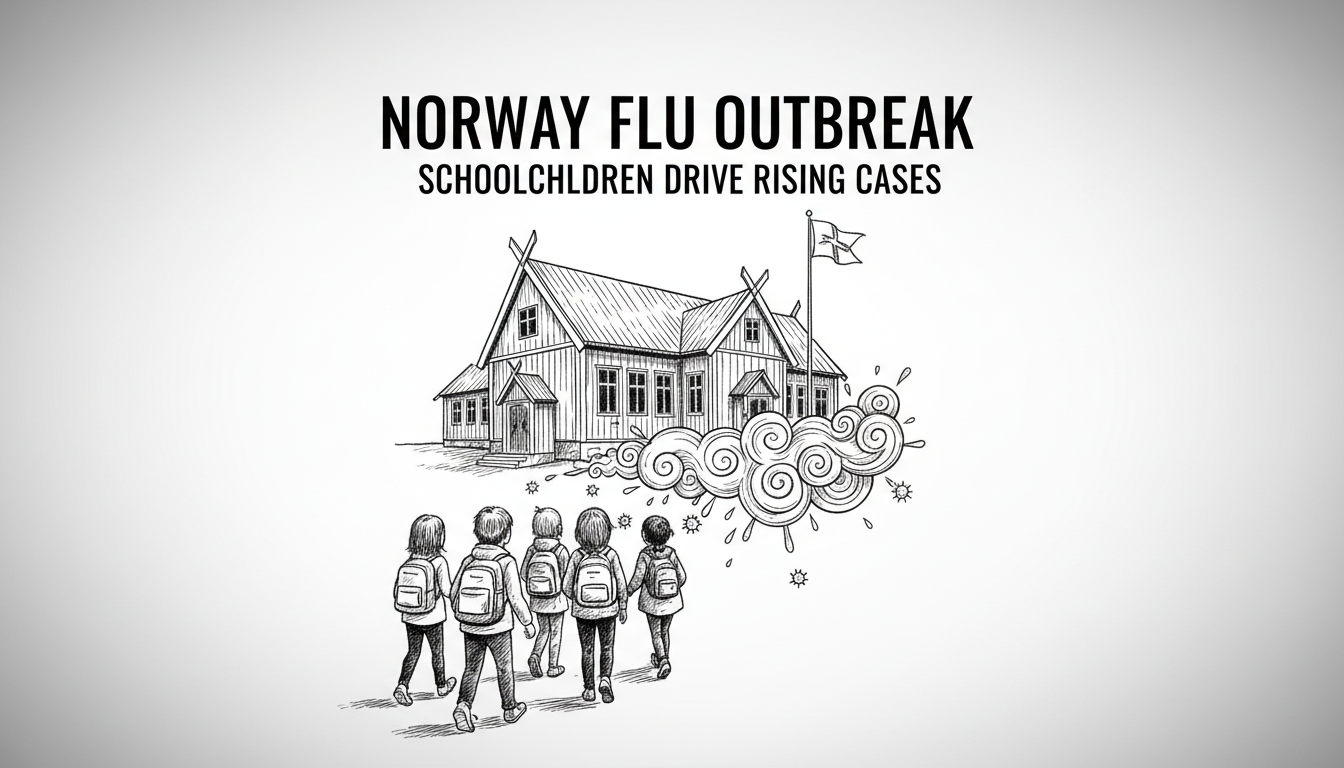
Norway's flu outbreak is accelerating with just one week left until Christmas. The Norwegian Institute of Public Health (FHI) reports a sharp increase in influenza A virus infections across all age groups. Schoolchildren are currently the primary drivers of transmission. This surge places new pressure on families and the healthcare system during the busy holiday season.
A Pre-Holiday Surge Across Counties
New data from the FHI's weekly report for week 50 shows infection rates climbing in every county in Norway. The situation is most acute in the southeastern region. Østfold and Akershus counties report that 36 percent of recent respiratory illness samples tested positive for influenza. Innlandet follows closely at 34 percent, and Oslo registers a 33 percent positivity rate. This geographic pattern suggests community spread is now widespread, moving beyond isolated clusters.
"We are seeing the expected seasonal increase, but the concentration among school-aged children is particularly pronounced right now," said a senior FHI epidemiologist in a statement. The mixing in classrooms and after-school activities creates an efficient environment for the virus to circulate before children bring it home to families.
Vaccination Urgency for Vulnerable Groups
In response to the rising numbers, health authorities are reiterating their vaccination recommendations. The FHI specifically advises unvaccinated elderly individuals, children with underlying health conditions, and healthcare workers with patient contact to get immunized as soon as possible. While the vaccine may not prevent all infections, it significantly reduces the risk of severe illness, hospitalization, and death.
Public health experts stress that vaccination serves two critical purposes. First, it protects the individual. Second, it builds community-wide immunity, helping to shield those who are most vulnerable or cannot be vaccinated. This concept, known as herd immunity, is crucial for easing the burden on hospitals. "Getting vaccinated is a key action to protect yourself and help limit the spread to others," the FHI statement emphasized.
The Challenge of Holiday Gatherings
The timing of this uptick presents a specific public health challenge. The coming week involves numerous school concerts, workplace parties, and family gatherings. These indoor events are ideal for respiratory viruses to jump from person to person. Health officials are not recommending canceling plans but are promoting increased vigilance.
Simple hygiene measures remain powerfully effective. Frequent hand washing with soap and water, using alcohol-based hand sanitizer, and coughing into your elbow can break chains of transmission. The FHI also advises people who feel unwell to stay home and avoid visiting elderly relatives or individuals in risk groups if they have symptoms. Symptoms of influenza often include sudden onset of fever, cough, sore throat, body aches, and fatigue.
Monitoring the Strain and Hospital Impact
The dominant circulating virus is influenza A. Surveillance systems track whether the virus strains match those included in the seasonal flu vaccine. Early indications suggest the vaccine is a good match this season, which is promising for its effectiveness. The FHI and hospital laboratories continuously monitor for any significant changes in the virus or the emergence of other respiratory threats.
While current hospital admissions for influenza remain manageable, a steep rise in cases can lead to increased pressure within a week or two. Hospitals are already operating under winter strain. A surge in flu patients could lead to postponed non-emergency surgeries and longer wait times in emergency departments. Healthcare worker vaccinations are therefore deemed essential to maintain staff levels.
A Look at the Broader Nordic Picture
Norway's experience mirrors trends in other Nordic countries. Seasonal influenza typically arrives in November or December and peaks between January and March. The current early rise suggests the peak could arrive sooner rather than later. Comparing data across borders helps epidemiologists understand the movement and behavior of the virus across Northern Europe.
Public health communication faces its own test during the holidays. The key is balancing urgency without causing unnecessary alarm. The message from authorities is clear: the flu season is here, it is intensifying, and proactive steps—especially vaccination for recommended groups—are the best defense. The goal is to prevent serious illness and ensure the healthcare system can care for all who need it.
The Path Forward Through Winter
As Norway heads into the Christmas break, the trajectory of the outbreak will become clearer. School closures may temporarily slow transmission among children, but family gatherings could fuel spread in other settings. The FHI will continue its weekly surveillance, providing the public and health services with up-to-date information.
The coming weeks will reveal if public adherence to vaccination calls and hygiene measures can flatten the curve of this outbreak. For now, the data paints a clear picture of rising cases centered on the youngest populations. Their role in spreading the virus makes them a key focus for containment efforts, even as the entire country prepares for a festive season shadowed by the familiar threat of influenza.