
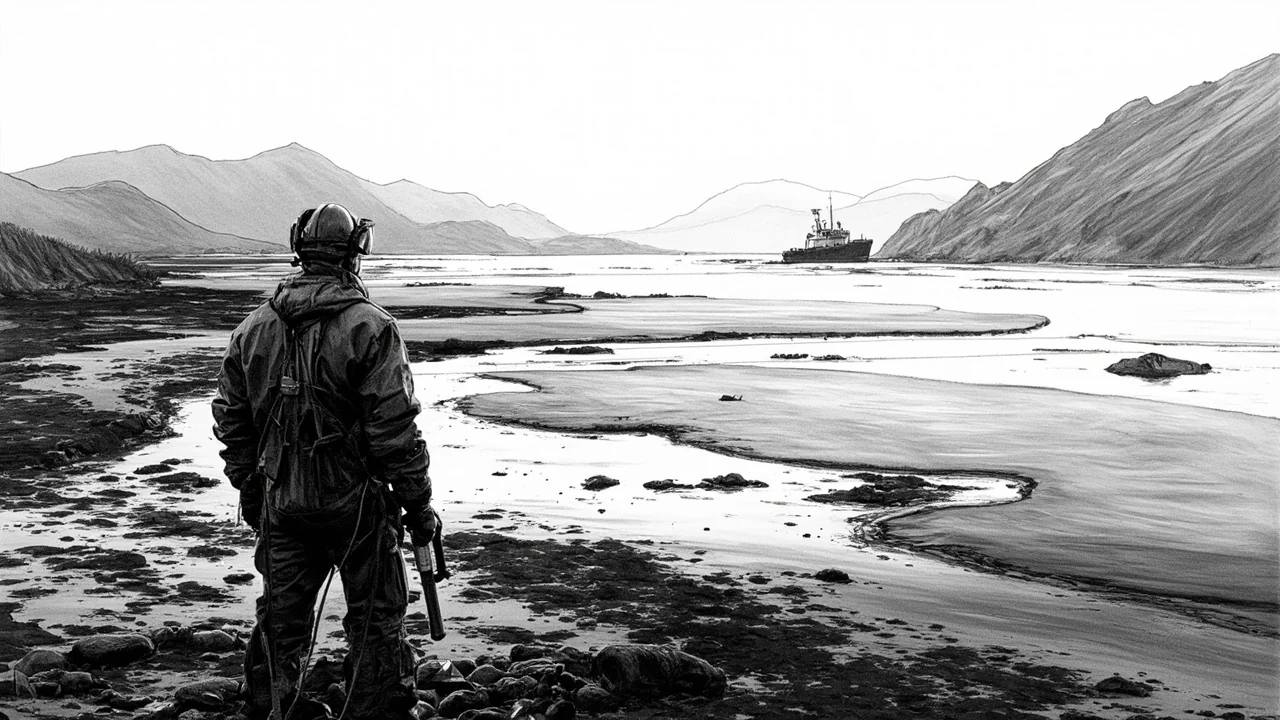
Norway's emergency services are battling a major environmental incident after a gasoline tanker crashed and leaked up to 10,000 liters of fuel in Trøndelag. The accident occurred Saturday afternoon in Nærøysund, with police confirming a large hole in the tank continues to spill gasoline into the surrounding area. Operasjonsleder Wenche Johnsen from Trøndelag Police District stated responders are working urgently to limit the damage to nature.
Crisis in the Norwegian Countryside
Police estimates place the volume of spilled gasoline between 8,000 and 10,000 liters. The tanker veered off the road in a rural coastal area known for its sensitive ecosystems. This region is characterized by intricate fjord systems and abundant wildlife, raising immediate alarms about long-term contamination. Emergency crews have established a containment perimeter around the wreckage. Their primary focus is stopping the flow of fuel and preventing it from reaching nearby waterways.
Authorities have not yet released information on the cause of the crash. No injuries have been reported, shifting the crisis entirely to an environmental footing. The visual of a leaking tanker in pristine Norwegian countryside presents a stark contrast to the nation's carefully managed green image. Local officials are on high alert as the gasoline, a volatile and toxic substance, poses significant risks to soil and groundwater.
Immediate Response and Environmental Peril
Operasjonsleder Wenche Johnsen described the challenge plainly. “There is a quite large hole in the tank, and work is being done to limit the extent of damage to nature,” she said in a statement. The response involves multiple agencies, including the Norwegian Coastal Administration and environmental protection teams. They face a difficult task given the remote location and the sheer volume of fuel involved.
Gasoline contains hydrocarbons and additives like benzene that can persist in the environment for years. In a region like Trøndelag, with its network of streams and proximity to the North Atlantic, the spill threatens both terrestrial and marine habitats. Cleanup operations will likely involve soil removal, groundwater monitoring, and potential bioremediation efforts. The cost, both ecological and financial, will be substantial.
This incident immediately calls into question the safety protocols for transporting hazardous materials across Norway's vast and often rugged terrain. While Norway's offshore oil industry has stringent regulations, inland transport of refined products like gasoline operates under a different set of pressures. This accident highlights a critical vulnerability in the nation's energy logistics chain.
Energy Transport Under Scrutiny
As a major oil and gas exporter, Norway maintains an extensive network for moving petroleum products. Gasoline is typically transported from coastal refineries like Mongstad or Slagentangen to distribution centers across the country. This network is vital for domestic energy security but comes with inherent risks. The Trøndelag spill will inevitably trigger a review of safety standards for road-based fuel transport.
Historical data shows such large-scale inland spills are rare in Norway, which often focuses on offshore drilling safety. However, this event underscores that the domestic transport leg carries its own significant hazards. The Storting, Norway's parliament, has previously debated tightening regulations for heavy goods vehicles, especially those carrying dangerous cargo. This incident will fuel those discussions.
“Every leak is one too many,” a senior advisor from the Norwegian Environment Agency told Nordics Today, speaking on background. “The response time and containment measures are now being tested. We will be looking closely at whether procedures were followed and where they can be improved.” This perspective points to a likely formal investigation by the Norwegian Safety Investigation Authority.
Political and Policy Repercussions
The spill lands on the desk of Energy Minister Terje Aasland and Environment Minister Andreas Bjelland Eriksen. Both the Ministry of Petroleum and Energy and the Ministry of Climate and Environment will be tasked with assessing the fallout. Norway's commitment to high environmental standards, both domestically and in its Arctic policy, means this accident carries political weight.
Opposition parties in the Storting are likely to seize on this event to critique the government's management of the energy sector. Questions will focus on the adequacy of inspection regimes for transport vehicles and the emergency preparedness of municipalities in remote areas. The incident may also influence the ongoing debate about transitioning from fossil fuels, even as Norway continues to profit from oil exports.
This crash is not just a local traffic accident. It is a national event with implications for policy, industry reputation, and environmental stewardship. The government must balance the immediate cleanup with a transparent review process to maintain public trust. How Oslo responds will set a precedent for handling future inland environmental crises.
The Road to Recovery
The immediate priority remains stopping the leak and mitigating environmental harm. Long-term, the site will require sustained monitoring to track the spread of contaminants. Norwegian authorities have strong frameworks for this, often modeled on responses to offshore incidents. However, land-based spills present unique challenges for containment and remediation.
Local communities in Nærøysund now face uncertainty regarding their immediate environment. Fishing and tourism could be affected if the gasoline reaches the fjords. The full scope of the damage will not be known for weeks or months. This timeline puts pressure on authorities to communicate clearly and frequently with residents.
From an industry perspective, this accident serves as a stark reminder. The safe transport of energy is as crucial as its production. Norway's oil and gas sector prides itself on technological innovation and safety culture. This incident on a quiet road in Trøndelag proves that vigilance must extend to every link in the supply chain.
As the cleanup progresses, the fundamental question remains. Can a nation built on hydrocarbon wealth perfectly insulate its picturesque landscapes from the risks of that very industry? The leaking tanker in Trøndelag suggests the answer is far from simple.