
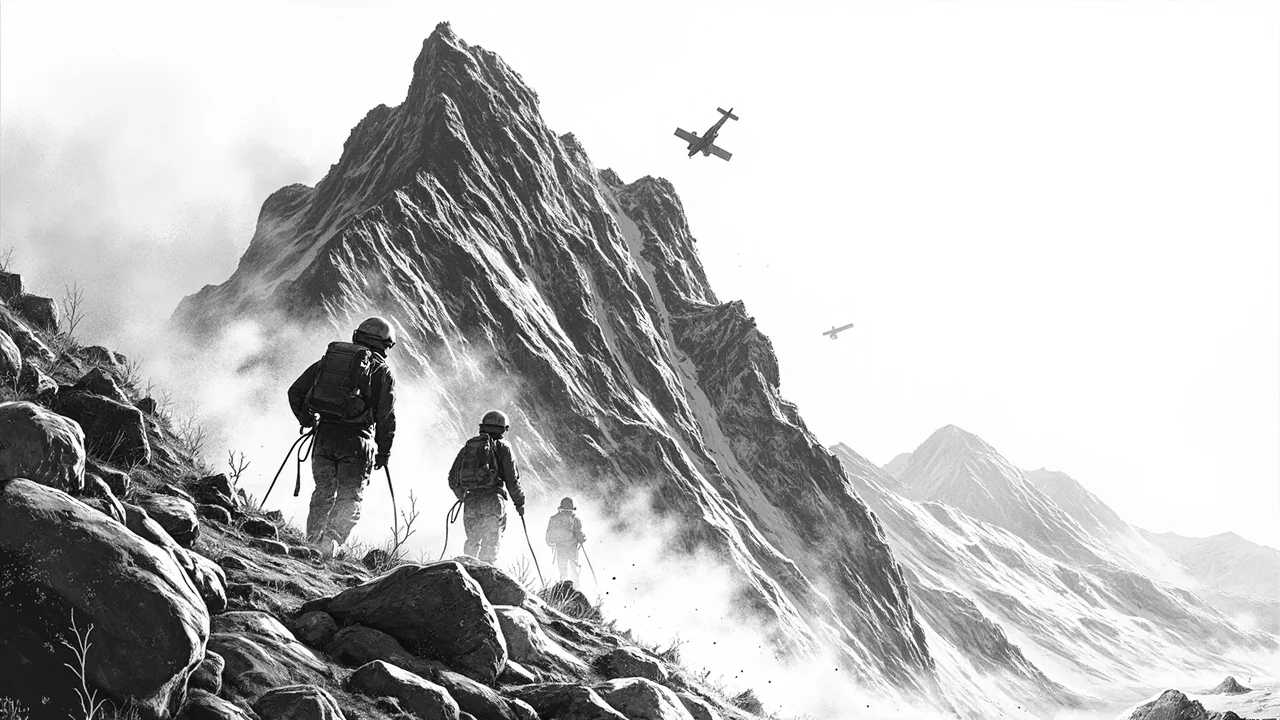
Two major helicopter rescues on Norway's Gaustatoppen within weeks have exposed the lethal risks for unprepared tourists in Arctic mountains. The latest operation Saturday night saved a foreign hiking group lost in -25°C temperatures, mirroring a similar New Year's Eve incident. Rescue leader Jan Øyvind Rekeland confirmed the group was ill-equipped for the severe weather. This repeated scenario raises urgent questions about safety protocols and tourist awareness in Norway's rugged terrain.
The Weekend Rescue Operation
Rescue coordinators deployed a helicopter to Gaustatoppen after reports of a stranded foreign hiking party. The group had become disoriented and could not descend the mountain safely. Jan Øyvind Rekeland stated the decision to airlift them was immediate given the extreme conditions. Police noted the tourists lacked proper clothing for the sub-zero environment, which posed a direct threat to their survival.
Temperatures recorded at the summit reached 25 degrees below zero Celsius during the operation. Such cold can lead to hypothermia within minutes for those without adequate gear. The rescue team successfully extracted the hikers via helicopter hoist, preventing potential tragedy. This incident underscores the swift escalation of danger in Norway's high-altitude regions.
A Recurring Safety Challenge
This rescue marks the second such event in a short period. On New Year's Eve, another group of foreign tourists required emergency extraction from Gaustatoppen. Both cases involved individuals unfamiliar with Norwegian mountain conditions. The pattern highlights a systemic issue where visitors underestimate the Arctic climate's volatility.
Norway's picturesque mountains attract thousands of international tourists annually, yet many arrive without understanding local risks. Gaustatoppen, standing at 1,883 meters, is particularly notorious for sudden weather shifts. Clear days can transform into blizzards rapidly, catching hikers off guard. The concentration of incidents here suggests a need for targeted safety campaigns.
Arctic Weather and Human Vulnerability
Meteorological data from Gaustatoppen shows regular winter temperatures plunging below -20°C. Wind chill can make conditions feel even colder, accelerating heat loss. The mountain's exposed ridges offer little shelter from elements. For poorly dressed hikers, these factors create a perfect storm for emergencies.
Norwegian rescue authorities emphasize that survival in such conditions depends on proper insulation, navigation tools, and contingency planning. The rescued groups lacked these basics, according to police reports. This disconnect between tourist expectations and mountain reality presents a persistent hazard. It also strains rescue resources, which must respond to preventable situations.
Rescue Infrastructure and Response
Norway's Main Rescue Coordination Centre manages such operations with specialized teams and equipment. Helicopter deployments are costly but necessary for remote mountain rescues. Jan Øyvind Rekeland explained that rapid response is critical when temperatures drop so low. The center evaluates each situation based on weather, time of day, and available resources.
The efficiency of these services reflects Norway's robust emergency preparedness. However, officials acknowledge that prevention would reduce the need for interventions. Public education campaigns exist, but their reach to international tourists may be insufficient. Enhanced signage at trailheads or digital alerts for visitors could bridge this gap.
Expert Analysis on Tourist Preparedness
As Norwegian Affairs Correspondent, I consulted mountain safety experts who point to cultural factors. Many tourists from milder climates struggle to grasp Arctic dangers. They might view hiking as a leisure activity without recognizing the survival skills required. Professor Lars Fjalstad, a climatology researcher at the University of Oslo, notes that climate change adds complexity. Warmer winters sometimes create false security, followed by extreme cold snaps.
Local guides advocate for mandatory briefing sessions for foreign hikers venturing above certain altitudes. Some suggest rental outlets for gear should enforce minimum equipment standards. The Norwegian Trekking Association already distributes safety guidelines, but compliance remains voluntary. Storting member Anna Berge, who chairs the transport committee, has called for reviewing tourist safety regulations. She mentioned potential legislation to require guided tours for inexperienced hikers in high-risk zones.
Economic and Policy Implications
Tourism contributes significantly to Norway's economy, particularly in regions like Telemark where Gaustatoppen is located. Balancing adventure tourism with safety is a delicate policy issue. Overregulation could deter visitors, while under-preparation risks lives and reputational damage. The government must consider both angles.
Recent incidents have sparked debate in the Storting about allocating more funds to preventive measures. Some proposals include subsidizing emergency beacons for rent or installing weather monitoring stations with real-time alerts. Energy sector analogies are apt; just as Norway manages offshore oil rig safety with strict protocols, mountain tourism might benefit from similar risk-management frameworks.
Future Directions for Mountain Safety
Moving forward, integrated solutions are necessary. Collaboration between rescue services, tourism boards, and local businesses can improve outcomes. For example, apps like Yr, Norway's weather service, could push notifications to hikers based on their location. Technology offers promising tools for prevention.
Authorities also recommend that tourists check forecasts meticulously and pack for worst-case scenarios. The principle of "dugnad," or community effort, applies here; everyone shares responsibility for safety. Rescue leaders stress that while they are always ready to respond, public awareness is the first line of defense.
These Gaustatoppen rescues serve as a stark reminder. Norway's natural beauty comes with inherent risks that demand respect and preparation. As tourism rebounds post-pandemic, ensuring visitors understand these risks becomes even more crucial. Will these incidents lead to tangible policy changes, or will they remain tragic footnotes in Norway's outdoor narrative? Only coordinated action will prevent future emergencies on these majestic, unforgiving slopes.