
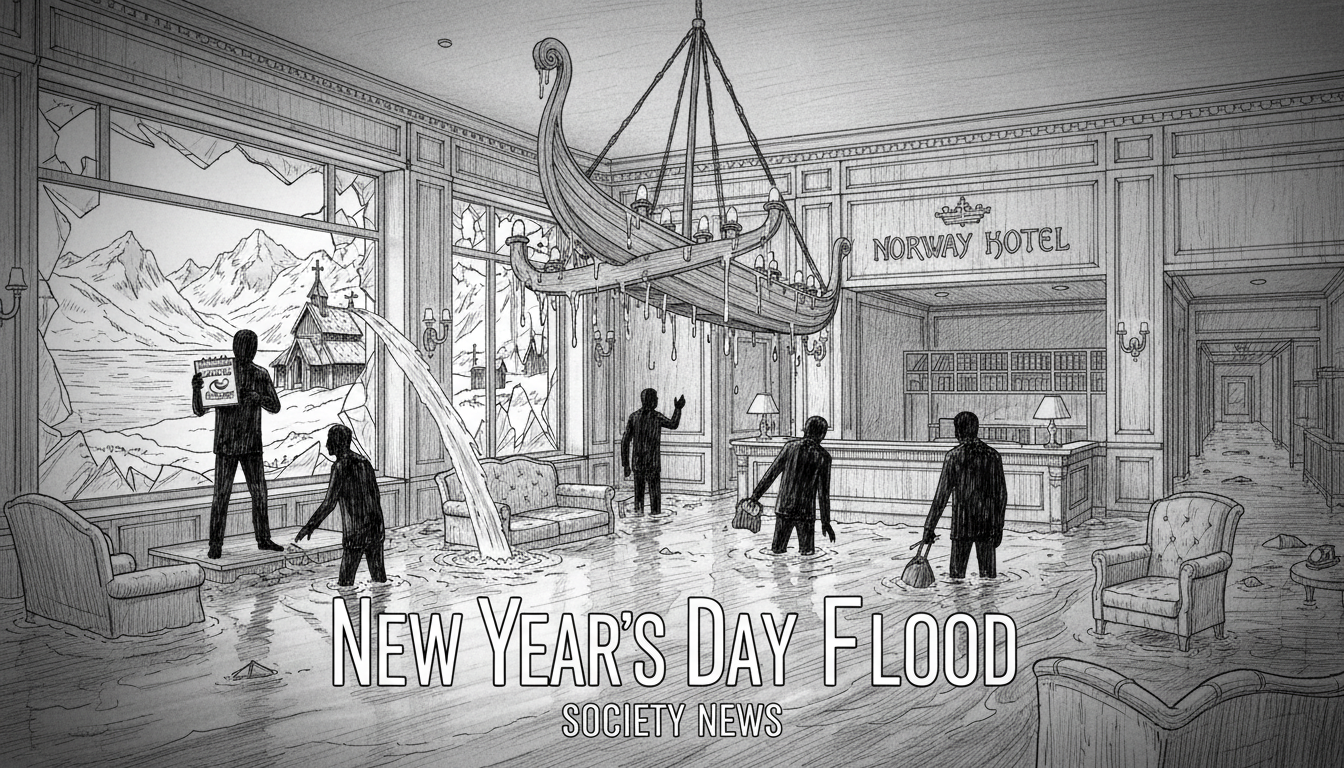
Norway's popular Beitostølen resort hotel faced a devastating start to 2025 after a suspected act of vandalism flooded the building from the fourth floor to the basement. The incident, which police are investigating as intentional damage, occurred just hours after the hotel hosted 500 guests for New Year's Eve celebrations.
Atle Hovi, the owner and managing director, received a call from the night guard around 3:30 a.m. on January 1. A fire hose had been pulled out and turned on full force in a fourth-floor hallway. "The fire hose was running on the fourth floor," Hovi said. "She managed to turn it off, but water had poured from the fourth floor, through all the floors, down to the basement."
A River Through the Halls
Hovi described the scene as a small river flowing through the hotel. Water inundated hallways, damaged a crucial electrical panel, and seeped into guest areas. The immediate response from local electricians to replace the panel prevented a potential fire hazard. However, the full extent of the water damage to rooms and corridors remains unknown. All damages have been reported to the hotel's insurance company, but Hovi has no final cost estimate.
"It's a completely terrible start to the year," Hovi stated, noting he had never experienced a similar situation. The timing compounded the frustration. The evening before, the resort was vibrant and full, hosting a successful New Year's dinner for 500 people. The hotel itself was at near capacity with approximately 300 overnight guests and only one vacant room.
Police Investigation Underway
Police from the Innlandet district were notified and quickly arrived on the scene. Operations Manager Per Solberg confirmed they secured all available evidence. "It appeared to those on site last night that it was an act of vandalism, that is, done intentionally. But the investigation will determine that," Solberg said.
As of New Year's Day morning, police had no suspects. They are working to identify everyone who was at the hotel during the relevant timeframe but indicated they would not be making immediate contact with guests that morning. The investigation presents challenges typical for resort areas after major events, with a large, transient population to consider.
Hovi finds the idea of an accident unlikely. "The fire hose was turned on full. It was pulled out two to three meters into the hallway," he explained. The night guard rolled it back in immediately after shutting off the water.
Impact on a Premier Winter Destination
Beitostølen is a cornerstone of Norway's winter tourism in the inland region. Located in Øystre Slidre municipality, it is renowned for its alpine and cross-country skiing facilities. The New Year period is a peak season, drawing families and sports enthusiasts to the mountain village. An incident like this strikes at the heart of its reputation for safe, family-friendly hospitality.
Industry analysts note that security during high-occupancy periods is a constant balancing act for resorts. Maintaining an open, welcoming atmosphere while preventing misuse of facilities is complex. Acts of vandalism, though rare in high-end Norwegian resorts, can have disproportionate effects. They create immediate repair costs, administrative burdens with insurance, and potential reputational harm if guests feel safety is compromised.
For Hovi and his staff, the incident means a massive cleanup operation at a time when the hotel should be capitalizing on the busy winter season. The water damage likely requires professional drying services to prevent mold, potentially taking rooms out of service for weeks.
Resilience in the Face of Setbacks
Despite the shock and significant disruption, Hovi struck a characteristically Norwegian note of pragmatic optimism. "We just have to make the best of the situation," he said. This response reflects the broader resilience required in the hospitality industry and in managing properties in Norway's sometimes harsh climate.
The incident also serves as a reminder of the vulnerabilities public spaces face. Fire hoses, essential safety equipment, can become tools for costly damage if misused. Other hotels and large accommodation providers in Norway will likely review their own monitoring procedures for such equipment, especially during festive periods when guest numbers swell and supervision is stretched.
A Community Question
The vandalism at Beitostølen Resort raises a question that extends beyond insurance claims and repair schedules. It touches on the social contract within tourist destinations. These locales thrive on mutual respect between visitors and operators. Guests travel for natural beauty and tranquil atmosphere; businesses invest to provide that experience.
A single act of deliberate damage breaches that trust. It shifts resources from service and improvement to repair and security. For other guests who shared the hotel that night, the news may taint the memory of their New Year's celebration. The quiet mountain resort, now a crime scene, embodies an unexpected paradox: a place designed for joy and relaxation becoming the target of destructive intent.
Police continue their investigation, reviewing any available CCTV footage and guest records. The resolution of the case may hinge on witness accounts from the hundreds of people present that night. Whether it was a reckless prank by guests or an intrusion by outsiders, the consequences are tangibly severe.
As the cleanup progresses, the focus for Beitostølen Resort will be on restoring normalcy. The winter season is long, and the demand for rooms in the popular ski area remains high. The incident, while a severe setback, is unlikely to deter the loyal clientele that returns to Beitostølen year after year. However, it adds an unwelcome chapter to the resort's history and a cautionary tale for the wider industry.
How a community and a business respond to such a violation speaks volumes. Hovi's commitment to "make the best of it" suggests a focus on forward momentum. Yet, the question lingers for all seasonal destinations: in an era of high occupancy and constant activity, how do you protect the property that is your livelihood without making it a fortress? The answer, for now, lies in diligent investigation, robust insurance, and the hope that such a "terrible start to the year" remains a profound anomaly.