
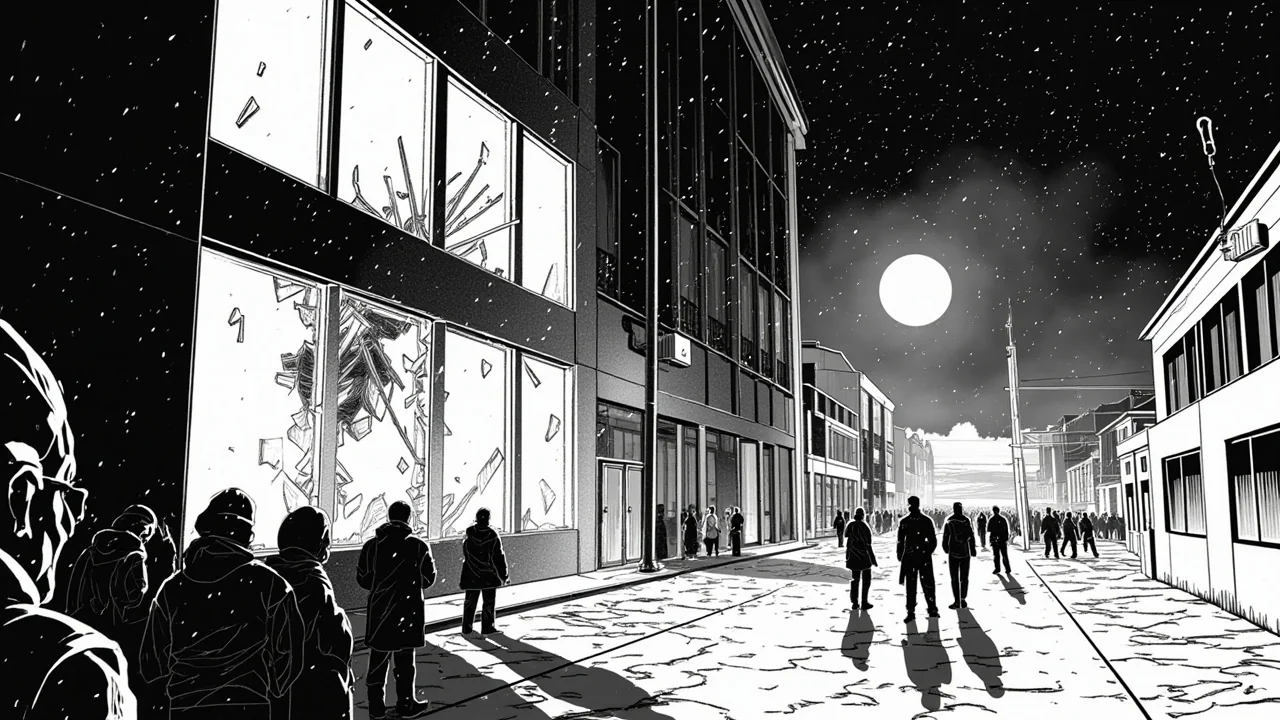
Norway's building safety standards face scrutiny after a hotel window fell from the 14th floor in Trondheim Saturday night. Police say teenagers playing in a corridor accidentally dislodged the window at the Scandic Lerkendal hotel, a 21-story building. No one was injured, but officials described the potential outcome as catastrophic.
"They were playing and pushing. They got too close to the window, which then fell out," said operations manager Anlaug Oseid. She emphasized the hotel must conduct investigations following the incident. "It could have ended catastrophically if someone had been hit."
Hotel director Erik Fostervoll confirmed the establishment is treating the matter with utmost seriousness. He identified the window's location as at the end of a corridor. "We are extremely glad that no one has been physically injured. That is the most important thing," Fostervoll said. He characterized the cause as an accident but announced immediate action. "After this happened, we are now checking windows on every floor."
A Narrow Escape in Trondheim
The incident occurred just before 11 PM on Saturday, prompting a swift police response to the hotel near the city's university district. The falling window shattered on impact with the ground far below. Given the hotel's height and urban location, the potential for serious injury or death was significant. The area below could have contained pedestrians, vehicles, or outdoor seating.
This event immediately raises questions about window design, installation, and maintenance in modern Norwegian high-rises. While initial reports point to human contact as the trigger, the fundamental security of a fixed window in a commercial building is now under examination. Norwegian construction codes, known for their rigor, especially concerning fire safety and energy efficiency, will be tested by this episode.
The Immediate Aftermath and Investigation
Hotel management has launched a comprehensive review of all windows across the property's 21 stories. This process involves inspecting the integrity of frames, the strength of fittings, and the overall stability of the glazing systems. The specific type of window involved—whether it was a fixed pane, a vented unit, or a full facade element—has not been disclosed, but it will be central to the technical investigation.
Fostervoll stated the hotel would also contact those directly involved to check on their wellbeing. The psychological impact on the teenagers present, hotel staff, and any witnesses could be considerable, even without physical harm. The sound of breaking glass from such a height and the realization of the near-miss create a traumatic event.
Norwegian police are treating the incident as an accident, not a criminal act. Their focus is on documenting the facts for the safety investigation rather than pursuing charges. The priority for authorities is preventing a recurrence, not assigning blame for this single event.
Broader Implications for Building Safety
This incident in Trondheim sends a shockwave through Norway's property management and construction sectors. It challenges the assumption that fixed architectural elements in relatively new buildings are inherently safe from such failures. The Scandic Lerkendal hotel is a prominent, modern structure, not an aging building suffering from neglect.
Experts will likely examine several factors. Was the window properly installed according to manufacturer specifications and Norwegian standards (NS-EN codes)? Could thermal stress, previous minor impacts, or material fatigue have weakened its connection? What is the expected resistance of such windows to sudden pressure or impact from inside the building?
In a country where high-rise living and working are common in cities like Oslo, Stavanger, and Bergen, public confidence in building envelopes is essential. Windows are a critical component, designed to withstand wind loads, temperature extremes, and normal use. This event suggests a vulnerability that regulators and insurers will want to understand fully.
The Human Factor and Liability
While the hotel conducts its physical inspections, the role of human behavior remains part of the story. The police account describes horseplay that led to contact with the window. This introduces questions about the duty of care owed by property owners to prevent accidents, even those involving unintended misuse.
Are windows in hotel corridors, student accommodations, or high-rise apartments designed to withstand a person falling against them? Should they be? Norwegian building regulations focus heavily on preventing falls from windows, particularly in homes with children, often requiring restrictors on openable windows. This case is inverted: it involves a fall from the building, not from it.
Legal experts note that liability in such cases can be complex. The hotel has a clear responsibility to maintain a safe premises. If the investigation finds a manufacturing defect or installation error, liability could extend to other parties. The immediate and proactive response from the hotel to inspect all windows is a prudent step from both a safety and legal perspective.
A National Conversation on Maintenance
Norway prides itself on its well-maintained infrastructure and high quality of life. This incident threatens to expose a potential blind spot: the ongoing, often invisible, maintenance of non-mechanical building parts. While elevators, boilers, and fire systems undergo regular certified checks, the structural integrity of individual windows may not receive the same scheduled scrutiny.
This event may prompt municipal building authorities (byggesaksmyndighet) to review inspection protocols. It could lead to new guidelines for property owners regarding the periodic inspection and testing of glazed facades, especially in buildings over a certain height or with high public traffic.
The timing is also notable. Norway is experiencing more extreme weather patterns, with stronger winds and greater temperature fluctuations due to climate change. Building exteriors are under increasing environmental stress, making robust maintenance regimes more critical than ever.
Looking Ahead: Standards and Security
The final outcome of the hotel's internal investigation and any follow-up by Trondheim municipality will be closely watched. Will the findings lead to a recommendation for retrofits? Could it result in a nationwide advisory or a revision of the Norwegian Building Code (Teknisk forskrift)?
For the hospitality industry, the incident is a stark reminder of operational risk. A single component failure can lead to severe reputational damage, potential litigation, and costly emergency actions. Guests assume a basic level of safety within their rooms and the common areas of a hotel. A window coming loose shatters that assumption literally and figuratively.
For Norwegians, it is an unsettling reminder that safety in the built environment requires constant vigilance. The country's excellent safety record is built on learning from near-misses and failures, not just reacting to tragedies. The Trondheim window fall, by sheer luck, provides a lesson without a price in lives. The question now is how thoroughly that lesson will be learned and applied from Kristiansand to Kirkenes.
The sound of breaking glass in Trondheim should resonate in every architect's office, construction firm, and property management company across Norway. It is a call to look up, inspect, and ensure that the very things designed to let the light in are not the things that could bring disaster down.