
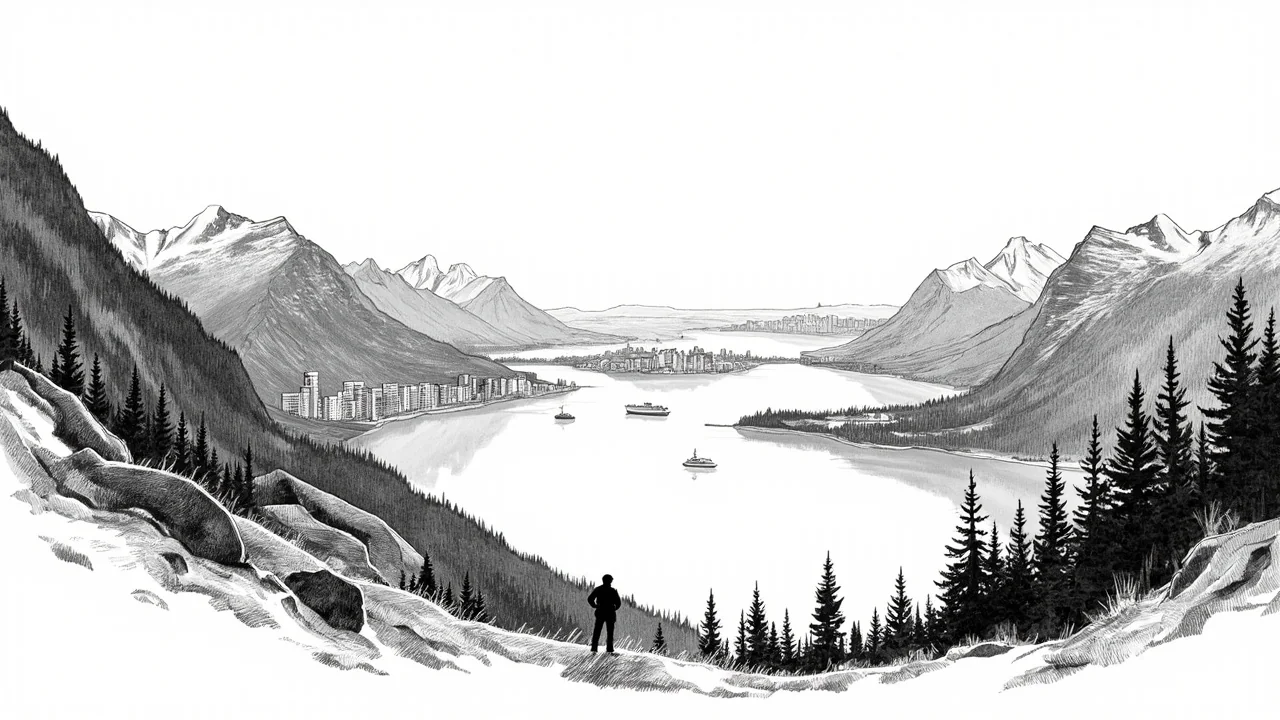
Norway has announced a major tourism initiative uniting five Nordic nations. The plan creates a comprehensive travel package featuring Norway, Sweden, Denmark, Finland, and Iceland. This collaborative effort aims to boost regional tourism and offer a unified visitor experience. The announcement generated immediate interest from travel professionals and enthusiasts across Scandinavia.
Norway's Tourism Minister, Bjørn Arild Gram, explained the strategy in a recent statement. 'By uniting the Nordic countries, we can offer travelers a complete regional experience,' Gram said. 'This initiative showcases the best of our shared landscapes and cultures.' The package will highlight natural wonders like Norway's fjords and Iceland's geothermal sites. It will also include cultural attractions from Copenhagen's design scene to Stockholm's historic Gamla Stan district.
Travel industry expert Anna Lindström commented on the regional benefits. 'This is a smart move for sustainable tourism development,' Lindström noted. 'It allows visitors to explore multiple destinations with coordinated logistics.' The initiative builds on existing cooperation through the Nordic Council of Ministers. Previous campaigns promoted shared cultural heritage and cross-border travel within the region.
This new alliance represents a strategic shift in Nordic tourism marketing. Individual countries typically compete for visitors rather than collaborate on packages. The coordinated approach could increase overall visitor numbers and length of stay. Tourists might begin their journey in Copenhagen, travel to Stockholm by train, then fly to Oslo before exploring Norwegian fjords. The package could conclude with Northern Lights viewing in Finnish Lapland or Iceland's dramatic landscapes.
Local tourism businesses stand to benefit significantly from this initiative. Hotels, tour operators, and transportation services across all five nations could see increased demand. The package will likely include partnerships with regional airlines and ferry services. It may also feature special rail passes for travel between Scandinavian capitals. This coordinated effort addresses a common challenge in Nordic tourism: the high cost and complexity of visiting multiple countries independently.
Environmental considerations will play a crucial role in the package design. Nordic countries emphasize sustainable tourism practices that protect natural attractions. The initiative may include carbon offset options for transportation between destinations. It will likely promote off-season travel to reduce pressure on popular summer locations. This aligns with broader Nordic values of environmental stewardship and responsible tourism development.
The economic implications extend beyond direct tourism revenue. Increased visitor numbers support restaurants, shops, and cultural institutions across the region. The initiative could create seasonal employment opportunities in remote areas. It may also stimulate infrastructure improvements at lesser-known destinations. This benefits local communities that rely on tourism during specific seasons.
Cultural exchange represents another important aspect of this initiative. Visitors will experience the distinct character of each Nordic nation while appreciating their shared values. The package may include opportunities to engage with local traditions and communities. This could range from Swedish fika coffee breaks to Finnish sauna experiences. Such cultural immersion creates more meaningful travel experiences than standard sightseeing tours.
Implementation challenges remain despite the promising concept. Coordinating services across five countries requires complex logistics and communication. Different tourism regulations and business practices must be harmonized. Pricing structures need to balance affordability with quality standards. Marketing efforts must target appropriate international audiences while maintaining regional authenticity.
The success of this Nordic tourism alliance could inspire similar collaborations elsewhere. Other regions with shared cultural or geographical features might develop comparable packages. This represents a growing trend toward destination clustering rather than individual country promotion. For travelers, it simplifies planning while offering richer, more diverse experiences. The initiative demonstrates how regional cooperation can create competitive advantages in global tourism markets.
Looking ahead, the Nordic travel package will likely evolve based on visitor feedback and market trends. Digital platforms may enhance booking convenience and personalized itinerary options. Partnerships with international airlines could improve accessibility from key markets. The initiative's performance will be monitored through visitor numbers, economic impact studies, and satisfaction surveys. This data will guide future developments in Nordic tourism cooperation.
For now, the announcement signals a new chapter in regional tourism strategy. It reflects confidence in the Nordic region's collective appeal to international visitors. The package will showcase both iconic attractions and hidden gems across five distinct yet connected nations. This collaborative approach may redefine how travelers experience Northern Europe for years to come.