
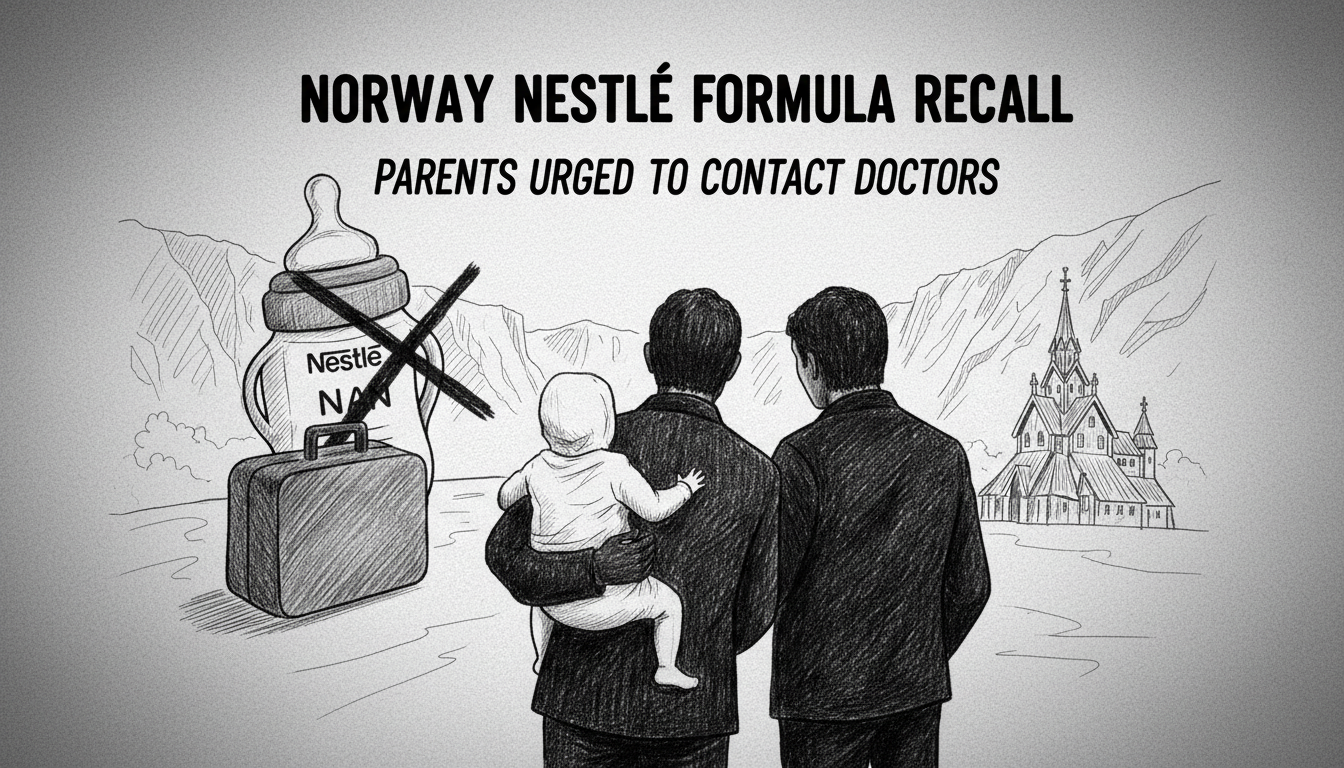
Norway's public health authorities are urging parents to seek medical advice following a major infant formula recall. Nestlé has pulled certain batches of its Nan and Alfamino formulas from the Norwegian market and other countries. The recall is a precautionary measure after tests detected cereulide, a toxin produced by Bacillus cereus bacteria, in an oil ingredient used in the products.
The Norwegian Institute of Public Health (FHI) has issued clear guidance for concerned parents. "Infants are vulnerable to dehydration, and parents should have a low threshold for contacting their general practitioner or emergency room if the child vomits, has abdominal pain, or diarrhea within the first 24 hours after intake," said senior researcher Solveig Jore at FHI. Symptoms typically appear within 30 minutes to 6 hours after consumption.
A Precautionary Measure Amid Parental Anxiety
The recall, classified as a 'fore-var' or precautionary action, has sparked worry among families. Victoria Senkpiel, a new mother from Bærum, told local media her nine-week-old son Leopold had consumed three tins from one of the recalled batches. "My son has been struggling with loose stools for two weeks. I started to suspect it could be a milk allergy, because I thought it had lasted so long," Senkpiel said. Her experience highlights the anxiety such announcements create, even when no illnesses have been confirmed.
According to the FHI, no cases of infant illness linked to these specific products have been reported in Norway or elsewhere in Europe. The absence of reported cases underscores the preventative nature of the recall. Food safety systems are designed to trigger alerts based on ingredient contamination, not just confirmed outbreaks. This proactive approach aims to stop potential health issues before they start.
Understanding the Risk: Cereulide and Infant Health
Cereulide is a heat-stable toxin produced by the Bacillus cereus bacterium. In infants, it can cause temporary but distressing gastrointestinal symptoms. The primary medical concern is not the toxin itself, but its potential to cause dehydration in very young babies. Infants have a small body mass and can lose critical fluids rapidly through vomiting and diarrhea. This makes prompt assessment by a healthcare professional crucial.
"Children who have no symptoms do not need follow-up with a doctor," clarified Solveig Jore from FHI. The institute also provided practical advice for cleaning feeding equipment. "Ordinary cleaning of bottles and other equipment that has contained the products is sufficient before further use," Jore stated. This guidance is intended to prevent unnecessary panic and focus attention on the infants who may have consumed the affected formula.
Norway's Rigorous Food Safety Framework
The recall process in Norway involves multiple agencies working in tandem. The Norwegian Food Safety Authority (Mattilsynet) is the primary regulator for food production and sales, including infant formula. It sets stringent nutritional and safety standards. When a potential hazard is identified, the Mattilsynet issues the official market recall notice to retailers and the public.
The Norwegian Institute of Public Health (FHI) then provides the medical and public health guidance. Their role is to translate the technical food safety data into clear health advice for parents and doctors. This two-pronged system separates regulatory action from clinical communication, ensuring both the supply chain and the public receive targeted information.
Infant formula is one of the most heavily regulated food categories globally. In Norway, manufacturers must comply with strict compositional requirements that mimic human breast milk as closely as possible. The production environment is also subject to high scrutiny to prevent microbial contamination. This incident shows that even with robust systems, supply chain complexities can introduce risks, necessitating vigilant monitoring.
Expert Analysis: Balancing Caution and Reassurance
Food safety experts note that such recalls, while alarming, are a sign of a functioning monitoring system. "The detection of cereulide in an ingredient before widespread illness occurs is a success for food safety surveillance," said a food microbiology expert familiar with Nordic regulations, who spoke on background. "The challenge is always communicating the real, often low, level of risk without undermining the seriousness of the precautionary action."
The expert explained that Bacillus cereus is a common environmental bacterium. Its spores can survive in dry goods like the oil ingredient implicated here. The production of cereulide toxin depends on specific conditions. The fact that no illnesses are reported suggests the toxin levels were likely low, or that conditions in the final product were not conducive to causing sickness. However, erring on the side of caution is the only acceptable path for infant food.
For parents, the advice is straightforward but requires vigilance. Monitoring a baby for signs of gastrointestinal distress in the hours after feeding is key. The FHI's recommendation of a "low threshold" to contact a doctor is medically sound. It ensures that any infant who becomes symptomatic gets quick support to manage dehydration, which is typically treatable with oral rehydration solutions or, in rare severe cases, intravenous fluids.
The Global Ripple Effect of a Local Recall
This recall is not isolated to Norway. Nestlé's action spans several countries, indicating a potential issue with a specific ingredient batch from a common supplier. Such global recalls are increasingly common in our interconnected food supply chain. A problem at a single production facility can trigger withdrawals across continents within days.
This presents a challenge for national health authorities. They must coordinate messaging and trace affected products quickly. The Norwegian response, with clear statements from FHI, serves as a model for timely public communication. Providing specific symptom windows, clear action steps, and reassurance about cleaning protocols helps manage public concern effectively.
For the Norwegian public, trust in the Mattilsynet and FHI is generally high. Transparent handling of incidents like this reinforces that trust. It demonstrates that the system is watching, even for low-probability risks, and prioritizes infant health above commercial interests.
Looking Ahead: Vigilance and Preparedness
The immediate focus remains on ensuring no infant falls ill. Parents who used the recalled batches with batch numbers specified in the official notices should dispose of the product or return it to the point of purchase. They should watch their children closely for the next day or so, even if the formula was consumed days ago, as the toxin's effects are rapid.
The longer-term questions will likely involve a review of supply chain checks for specialty ingredients used in infant nutrition. This incident may prompt manufacturers and regulators to examine testing protocols for bacterial toxins in dry fat blends and oils more closely.
For now, the message from Norwegian health officials is one of calibrated caution. The risk is assessed as low, but the potential consequences for an infant are significant enough to warrant decisive action. It is a reminder of the immense responsibility borne by formula manufacturers and the vital role of independent public health institutions in safeguarding society's youngest and most vulnerable members. As one expert put it, "In infant nutrition, there is no such thing as being too careful."