
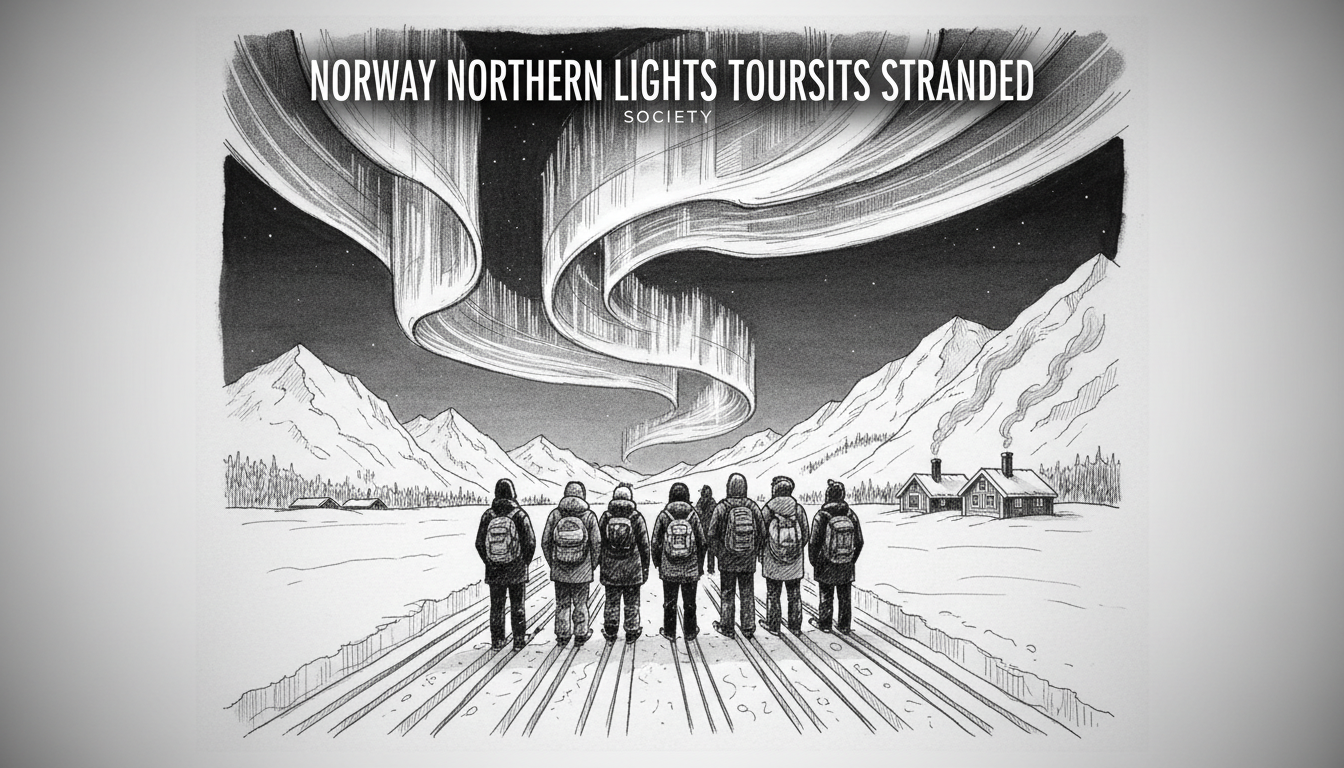
Norway Northern Lights tourists drove their car into a lit ski trail in Troms, requiring a recovery vehicle to free them. The incident highlights the recurring challenges of winter tourism in the Arctic region, where visitors unfamiliar with extreme conditions can quickly find themselves in dangerous situations. Police confirmed the tourists eventually realized their route was a mistake after attempting to turn around and becoming completely stuck.
A Recurring Arctic Dilemma
This is not an isolated event. Every winter, police and rescue services in Northern Norway respond to numerous calls involving tourists in rented cars who have ventured off main roads. The allure of a dark, remote spot for optimal Northern Lights viewing often overrides caution. Driving onto what appears to be a flat, snow-covered field can lead directly into a deep ditch, a frozen river, or in this case, a meticulously prepared cross-country ski trail. These tracks, known as 'lysløyper', are vital community infrastructure for local residents during the long polar night.
"We see these situations every season," a spokesperson for the Troms Police District said in a statement. "A combination of excitement, unfamiliarity with the terrain, and sometimes inadequate vehicle preparation creates a significant risk." The police did not specify the nationality of the tourists involved in this latest incident, but statistics show visitors from across Europe, Asia, and North America are commonly involved. The dispatched 'bilberger', or tow truck, successfully extracted the vehicle without reported injuries.
The Strain of the Aurora Economy
Northern Norway's tourism sector has boomed, transforming the winter from a quiet period into a peak season. Official figures from Innovation Norway show a sustained annual increase in international winter arrivals, with a majority citing the Aurora Borealis as their primary motivation. This influx brings crucial revenue to remote communities but tests local infrastructure and emergency services. Mountain rescue teams, which often assist police in such recoveries, are volunteer-based and express concern about being called to preventable incidents.
"We want everyone to enjoy the natural wonder of the Northern Lights safely," said Lars Fjelldal, a tourism advisor based in Tromsø. "The challenge is communicating that the Arctic winter is not a theme park. Conditions are real and can become severe very quickly. A simple wrong turn off a cleared road can put you in genuine danger." Fjelldal emphasizes that while tour operators provide safe guided experiences, a growing number of visitors choose the flexibility of a self-drive holiday, often without prior winter driving experience.
Navigating the Polar Night
The core issue often lies in vehicle capability and driver knowledge. Many tourists rent standard two-wheel-drive cars, which offer little traction on ice and deep snow. All-wheel drive is a minimum recommendation, and winter tires with studs are a legal requirement from November to April. Beyond equipment, understanding how to navigate is critical. Mobile phone coverage can be absent in remote fjords and valleys, and GPS systems may suggest summer roads that are impassable in winter.
Local authorities and tourism boards run annual safety campaigns in multiple languages. They advise tourists to stick to main roads, join organized tours for remote viewing, pack emergency supplies like warm clothing and blankets, and always inform someone of their travel plans. The Norwegian Automobile Federation (NAF) also offers specific guidance for winter driving, including how to handle skids and what to do if you become stranded.
Balancing Access with Preservation
The ski track incident also touches on an environmental and social friction point. Lit ski trails are a cherished public good for Norwegians, promoting outdoor activity and mental well-being during the dark months. Damage to these trails by vehicles is costly to repair and denies locals their use. It represents a physical intrusion of tourism into community spaces. Municipalities are constantly evaluating how to manage the flow of visitors to protect both the natural environment and local quality of life.
Some regions have implemented measures like designated Northern Lights parking areas along certain routes, complete with information signs. The goal is to channel visitor enthusiasm to suitable locations without blocking forest roads or encroaching on private property. However, the vastness of the landscape makes comprehensive management nearly impossible.
A Call for Preparedness
The stranded tourists in Troms serve as a timely reminder. As the Northern Lights season approaches its peak in the coming months, thousands more will arrive in the Arctic. The incident ended without tragedy, but it underscores a preventable pattern. Experts agree that personal responsibility is paramount. Investing in a proper vehicle, checking weather and road reports vigilantly, and perhaps most importantly, acknowledging one's own limitations in an unfamiliar and potent environment, are essential steps.
The Arctic does not compromise. Its beauty is matched by its severity. For the tourism industry's long-term sustainability and for the safety of every visitor, the message is clear: come for the spectacle, but respect the power of the place. The success of a Northern Lights hunt should be measured not just by the vibrancy of the aurora, but by returning safely to warmth and shelter after the display concludes. Will this season see a reduction in such mishaps, or will the magnetic pull of the lights continue to lead drivers astray?