
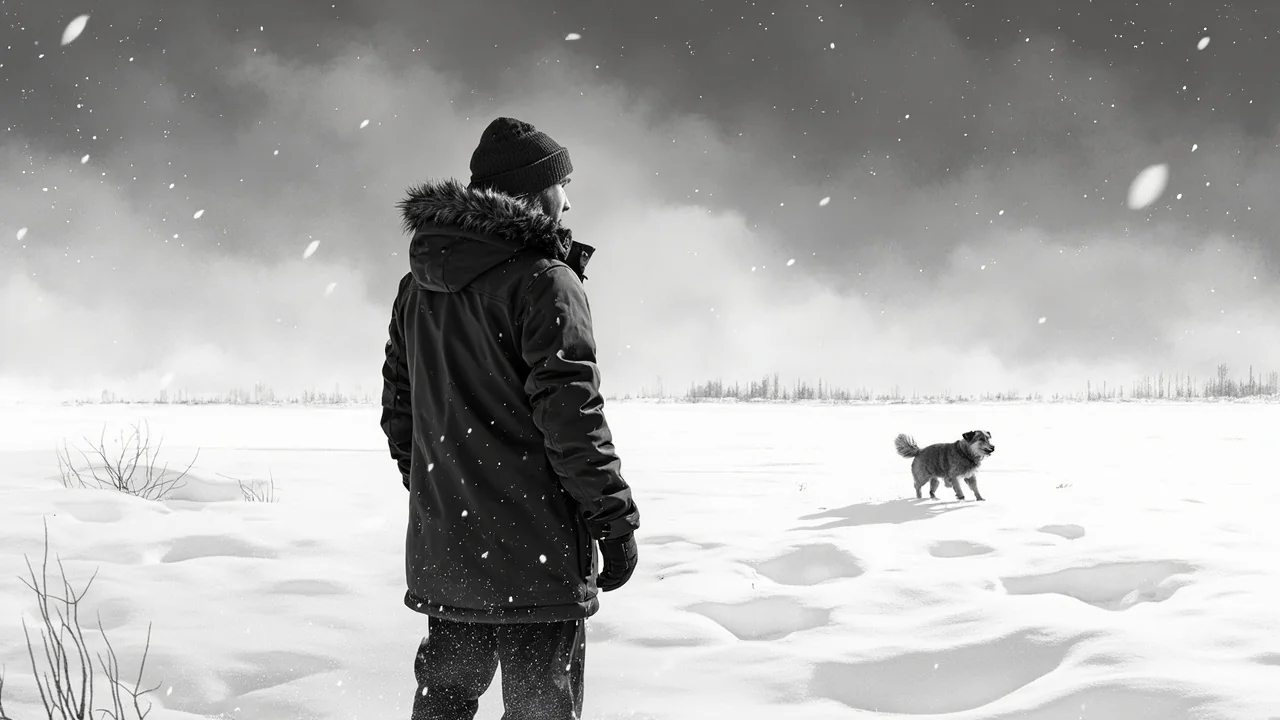
Norway's veterinary professionals are issuing urgent advice to pet owners as temperatures are forecast to plummet to minus 16 degrees Celsius in parts of the country this weekend. The extreme cold poses significant risks to dogs, particularly smaller breeds, young puppies, senior animals, and those with thin coats. Veterinarian Julie Johansen warns that frostbite and hypothermia are immediate dangers during the deep freeze now gripping Scandinavia.
A Growing Trend in Pet Apparel
This seasonal warning coincides with a notable rise in Norwegian pet owners crafting custom winter gear for their four-legged companions. Camilla Schilling Tønnesen, who runs a yarn shop in Fredrikstad, reports a significant increase in customers buying materials to knit and crochet sweaters, booties, and coats for their dogs. “We notice the demand now,” Tønnesen says. The trend extends beyond simple warmth into matching outfits for owners and pets. She notes a wealth of inspiration and patterns available online, driving people to local shops for supplies. This DIY movement reflects a deep-seated Scandinavian ethos of practical preparedness, or ‘dugnad’, applied to family pets.
Veterinary Warnings and Physical Symptoms
Veterinarian Julie Johansen provides a clear list of symptoms for owners to monitor. “You often see that they get sores between their pads if they get frostbite,” she states. Other signs include noticeable stiffness, shivering, and a paling of the mucous membranes in the mouth and eyes. Johansen emphasizes that prevention is straightforward but critical. She advises shorter walks for dogs that struggle in the cold and recommends protective clothing. For paw care, she suggests using booties or a protective wax-based salve available from pharmacies to prevent ice accumulation and salt damage from treated roads. “Pay special attention to the smaller breeds, the young, the old, and those with less fur, as they often have poorer temperature regulation,” Johansen adds.
Breed-Specific Needs and Owner Adaptations
The need for protection varies drastically by breed. Heavy-coated Nordic breeds like the Norwegian Elkhound are built for the cold, while short-haired breeds like Greyhounds or small dogs like Chihuahuas are vulnerable. Owner adaptations highlight this spectrum. Jon Bingen, walking his two Irish Setters in Fredrikstad, notes they tolerate the cold well when active but has a blanket ready for extreme conditions. In contrast, Elena Hannestad is vigilant with her dog Luna. “If there is a lot of snow, I have to take extra care of the paws, as she gets snowballs that stick,” Hannestad explains, demonstrating the daily adjustments required. This breed-specific approach is crucial for responsible pet ownership in a Nordic climate.
The Practicalities of Winter Wardrobes
The move towards pet clothing is not merely a fashion statement but a practical response to harsh weather. The items in highest demand, according to crafters, are thick sweaters, scarves, mittens, hats, and durable booties. The focus is on functionality—materials that provide insulation while repelling moisture. Pet booties, in particular, serve multiple purposes: they prevent frostbite, protect against corrosive road salt, and stop painful ice balls from forming between pads. This shift represents a broader normalization of pet clothing as essential equipment, moving it from a niche novelty to a standard part of the Norwegian winter wardrobe for dogs.
Analyzing a Cultural Shift in Pet Care
This phenomenon intersects with several key aspects of modern Norwegian society. First, it reflects the elevated status of pets as family members, warranting investment in their comfort and safety. Second, it showcases the enduring strength of Norway’s crafting culture, where self-sufficiency (‘selvhjelp’) is applied to new domains. Finally, it highlights a proactive, rather than reactive, approach to animal welfare. Owners are heeding professional advice and taking preventative steps en masse. This collective action minimizes potential winter crises at veterinary clinics, though vets remain on high alert during cold snaps for emergencies.
The Economic Ripple Effect
The trend has a tangible economic impact on local craft stores and pet suppliers. Shops report increased sales of specific yarns suitable for durable pet garments, patterns, and ready-made protective gear. This seasonal surge supports small businesses during the winter months. It also fosters community, as owners share patterns and tips both online and in person. The market for high-quality, functional pet gear continues to grow, indicating a sustained shift in consumer behavior rather than a passing fad.
Looking Beyond the Deep Freeze
As climate patterns become more unpredictable, with potential for more frequent extreme cold events even amid warmer averages, this knowledge becomes increasingly vital. The current advice from veterinarians serves as a critical seasonal reminder with long-term implications. Proper winter care prevents suffering, avoids costly emergency veterinary treatments, and ensures that the cherished Scandinavian tradition of daily outdoor activity—‘friluftsliv’—can continue safely for all family members, including the four-legged ones. The sight of a dog in a hand-knit sweater is no longer just cute; in a Norwegian winter, it is a sign of informed and attentive care. Will this ingrained culture of preparedness become the standard for responsible pet ownership across northern climates worldwide?