
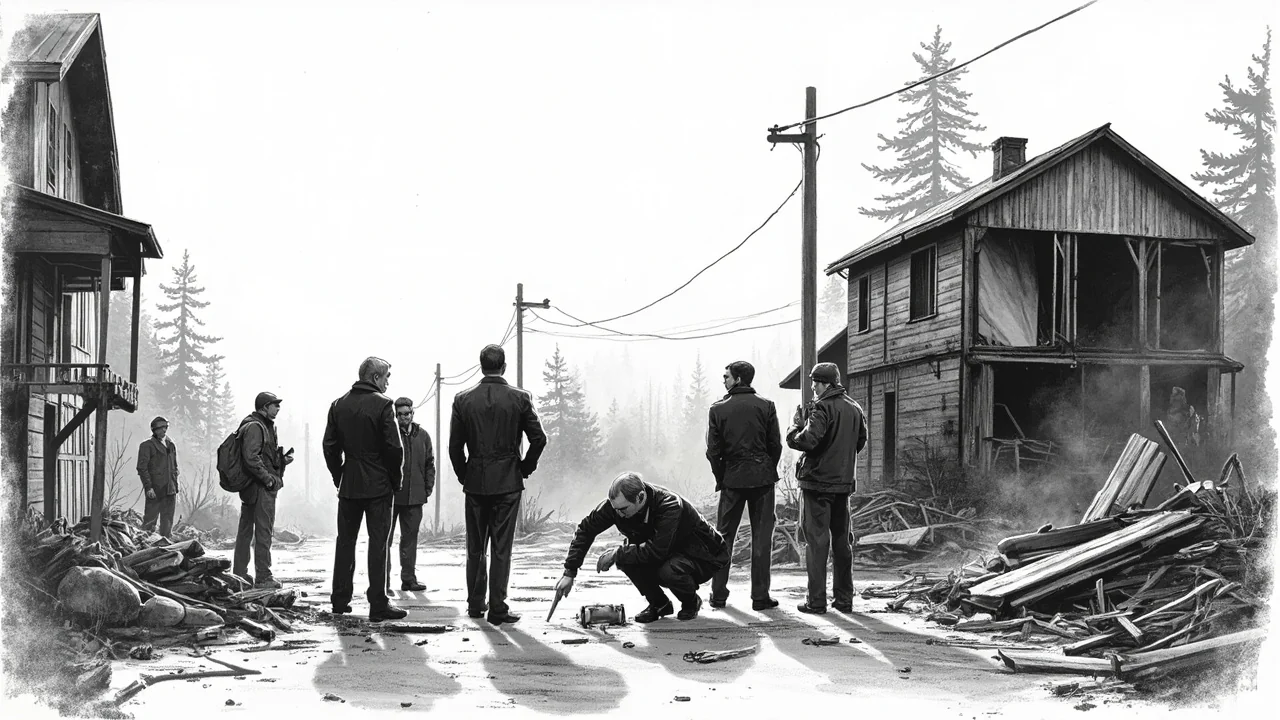
Norway police are investigating a suspected arson attack on a vehicle in the Øst police district. Officers found a container of flammable liquid outside the car and a brick inside it after responding to a fire report at 11:53 PM Saturday. A witness reported seeing a person throw something at the vehicle before the blaze, which firefighters extinguished quickly.
Operational leader Ronny Hellerud Samuelsen confirmed the arson suspicion. "On the outside of the vehicle, we found a container with a flammable liquid. Inside the vehicle, we found a brick," Samuelsen said early Sunday. "A witness saw a person who threw something toward the vehicle. Police suspect the fire may have been set intentionally."
The incident represents a serious property crime that authorities will investigate thoroughly. While vehicle fires occur occasionally in Norway, those involving clear evidence of intentional ignition demand significant police resources. The discovery of both an accelerant container and a brick suggests a deliberate attempt to cause damage or send a message.
A Methodical Crime Scene
Police have not disclosed the vehicle's make, model, or exact location beyond confirming the Øst police district, which covers eastern Norway including parts of Viken and Innlandet counties. The presence of both an external accelerant and an internal brick indicates planning. The brick could have been used to break a window before introducing the flammable substance, or it might have been placed as part of the ignition method.
Forensic teams likely processed the scene throughout Sunday morning. They would document the container's type, any fingerprints, and residue patterns. The brick could also hold trace evidence. Witness statements will be crucial, particularly regarding the suspect's description and direction of travel. Police have asked the public to submit any information, photos, or video related to the incident.
Norway's generally low crime rate makes such deliberate destruction notable. In 2022, Norwegian police recorded approximately 1,100 cases of intentional fire-setting, a category that includes all arson, not just vehicle fires. This figure has remained relatively stable in recent years. Most arson cases involve buildings or outdoor areas rather than vehicles specifically.
Potential Motives and Patterns
Criminal investigators typically explore several possible motives in vehicle arson cases. These can range from personal disputes and insurance fraud to more organized criminal activity like intimidation or retaliation. The timing—late on a Saturday night—might suggest the perpetrators expected less witness activity, though the presence of a witness foiled that assumption.
In some European contexts, car fires have been used as tools of intimidation in business or personal conflicts. Norway has seen isolated incidents where vehicles linked to individuals involved in disputes or lower-level criminal activity are targeted. However, police have not indicated any known connection to organized crime in this initial stage.
Another possibility is vandalism or pyromania, though the use of a specific accelerant container suggests a degree of preparation beyond impulsive vandalism. The quick extinguishment of the fire indicates either limited fuel, effective fire service response, or both, preventing total destruction of the vehicle and potentially preserving evidence.
Police Resources and Investigation Priorities
The Øst police district will allocate detectives from its criminal investigation section to this case. Arson investigations require specialized knowledge because fire can destroy crucial evidence. Investigators must determine the exact ignition method, the type of accelerant, and whether any specific person or business was the intended target.
Norwegian police prioritize crimes against persons over property crimes, but deliberate fire-setting carries heightened concern due to its potential for escalation. An uncontrolled vehicle fire in a residential area could spread to other cars or buildings, risking lives. This public safety aspect elevates the investigation's importance.
Police have not stated if there are security camera recordings from nearby homes or businesses. In Norway's towns and cities, private CCTV and municipal traffic cameras are common and often provide vital leads. The witness account will be central to developing a suspect description for any video review.
Community Impact and Public Response
While a single vehicle fire may not constitute a major crime wave, it can unsettle a local community. Residents in the affected area may feel a loss of security, knowing someone intentionally set a fire near their homes. Police typically increase patrols in the immediate aftermath of such incidents to provide reassurance and deter further acts.
Public cooperation is a cornerstone of Norwegian policing. The appeal for information, images, or video reflects standard procedure. In many cases, tips from the public help solve crimes that initially have few leads. The witness who came forward provided the essential detail that turned a fire investigation into a potential arson case.
Norway's justice system treats arson as a serious offense. According to the Norwegian Penal Code, intentionally setting a fire that could spread is punishable by imprisonment for up to 21 years if human life is endangered, though sentences for property damage alone are typically shorter. The penalty reflects the inherent danger fire presents to communities.
The Path Forward for Investigators
The investigation will now follow standard procedural steps. Forensic scientists at the National Criminal Investigation Service (Kripos) may analyze evidence if local police request support. Detectives will check if similar methods have been used in other recent unsolved vehicle fires in the region, looking for patterns.
They will also determine the vehicle's ownership and interview the owner about any possible conflicts or threats. Financial checks might reveal if the vehicle was heavily insured or financially burdensome. However, police caution against speculation, emphasizing that motives become clear only through evidence.
Operational leader Samuelsen's statement was careful, using "may have been set intentionally" rather than definitive language. This reflects proper protocol; declaring a crime as arson requires substantial evidence to meet the legal standard. The container and brick are strong indicators, but investigators must build a chain of evidence for prosecution.
Norway's efficient emergency services response—with the fire reported at 23:53 and extinguished shortly after—limited the damage. This also preserved the scene for investigators. A fully burned vehicle yields far less physical evidence than one where the fire was suppressed quickly.
A Broader Context of Safety
This incident occurs against Norway's backdrop of exceptionally high public safety. The 2023 Global Peace Index ranks Norway as the 17th most peaceful country globally. Violent crime rates are low. However, property crimes, including vandalism and theft, do occur. Most Norwegians have high trust in their police's ability to solve crimes.
The police's transparent communication about finding the container and brick maintains public trust. It demonstrates they are treating the incident with appropriate seriousness. Quick, factual updates are standard practice for Norwegian police districts, especially when seeking public assistance.
As the investigation continues, police may release more details about the vehicle's location or type if they believe it will generate useful tips. For now, they hold back specific information to maintain the investigation's integrity. The coming days will show if forensic analysis or further witness statements provide a breakthrough.
This single act of suspected arson serves as a reminder that even the safest societies are not completely immune to deliberate destruction. The response—methodical investigation, public appeal, and forensic scrutiny—illustrates how Norway's system addresses such threats. The priority is not just solving this case but maintaining the communal sense of security that defines Norwegian life.
Will the evidence left behind—a container, a brick, and a witness's account—be enough to identify those responsible? The answer now rests with the meticulous work of the Øst police district's investigators.