
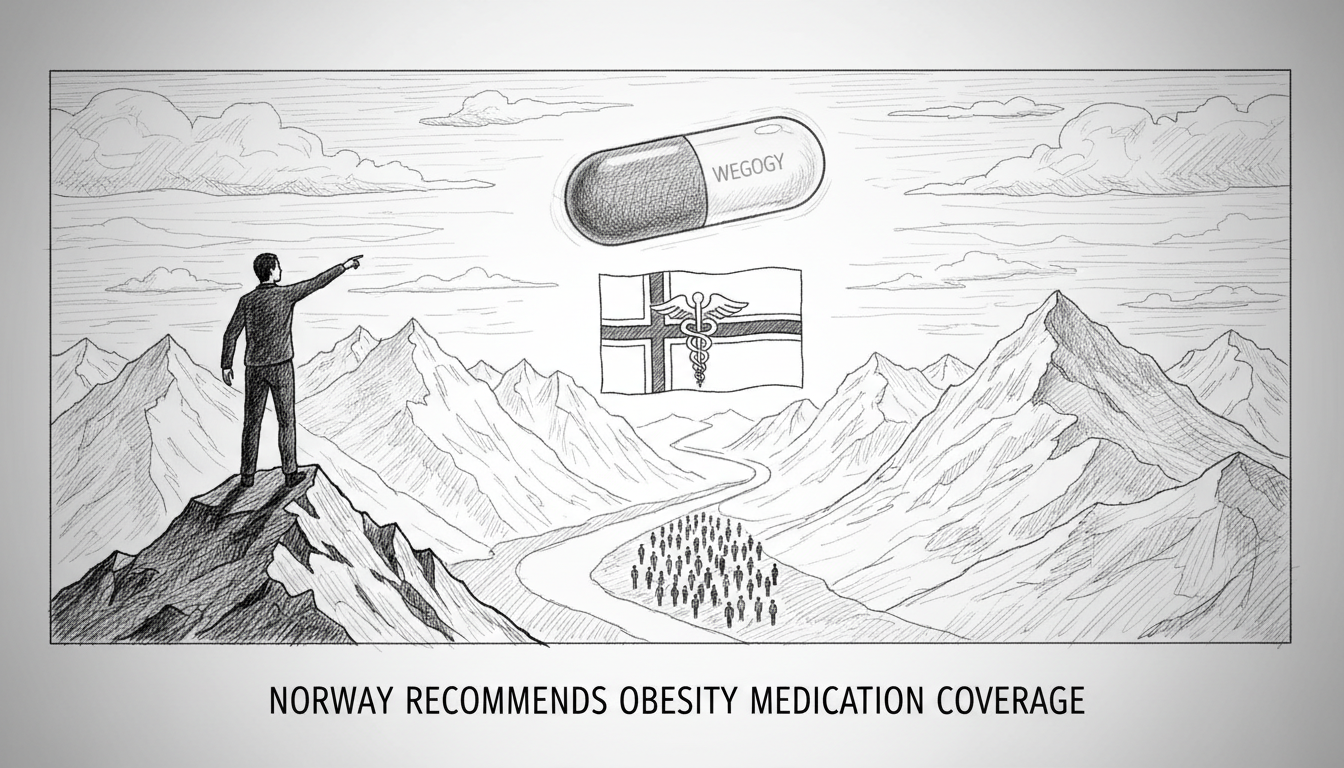
Norwegian health authorities have recommended that the weight-loss medication Wegovy receive partial or full public coverage for certain patients. The Directorate for Medical Products determined the treatment is cost-effective for people with severe obesity who meet specific criteria. This decision follows successful price negotiations that reduced the drug's cost.
The recommendation covers patients with a body mass index of at least 35 who also have at least two weight-related health conditions. Medical officials stated they received new documentation about the drug's effectiveness from additional study data. This evidence supported their positive assessment of the treatment's benefits.
Norwegian obesity medication coverage could affect more than 70,000 people across the country. The potential annual cost to the national insurance system exceeds 100 million Norwegian kroner. Because of this substantial financial impact, the decision requires approval from both the health ministry and parliament. The directorate has now submitted its formal recommendation to the Health and Care Services Department for further consideration.
This development represents a significant shift in how Norway approaches obesity treatment. The country's healthcare system has traditionally focused on lifestyle interventions rather than pharmaceutical solutions for weight management. The blue prescription system, which provides public coverage for certain medications, typically reserves such support for conditions considered immediately life-threatening or severely disabling.
Medical experts note that expanding coverage for obesity treatments acknowledges the condition's complex medical nature. Obesity often intertwines with metabolic disorders, cardiovascular issues, and joint problems that reduce quality of life and increase healthcare costs. The recommendation suggests health authorities recognize that effective obesity management requires multiple approaches, including medical interventions for appropriate candidates.
The potential approval raises questions about healthcare prioritization and budget allocation. Norway's universal healthcare system faces constant pressure to balance expanding treatments against finite resources. This decision comes amid growing recognition of obesity as a chronic disease rather than solely a lifestyle issue, reflecting evolving medical understanding across Scandinavian countries.
International readers should understand that Nordic healthcare systems typically provide more comprehensive coverage than many other nations. The blue prescription system functions similarly to specialized medication coverage programs in other countries with universal healthcare. Norway's approach to weight-loss medication coverage may influence similar debates happening in Sweden, Denmark, and Finland, where health authorities monitor each other's decisions closely.
The practical reality is that expanding medication coverage requires difficult trade-offs within fixed healthcare budgets. While this recommendation offers hope for eligible patients, its implementation depends on political decisions about resource allocation. The coming parliamentary discussion will reveal how Norwegian policymakers balance immediate treatment needs against long-term healthcare sustainability.