
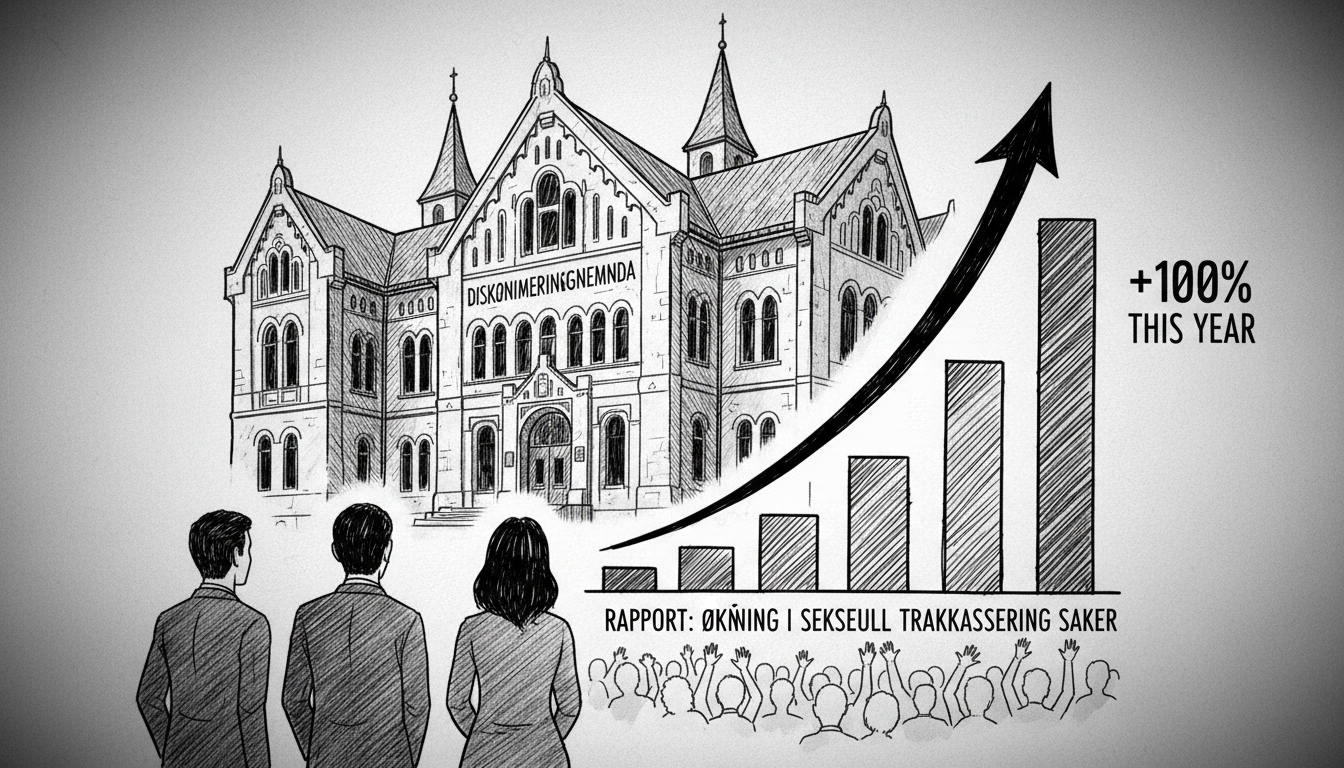
Norway's Discrimination Tribunal reports a dramatic increase in sexual harassment cases. The body received 37 complaints this year compared to just 16 during the same period last year. This represents more than double the caseload for the independent judicial authority.
The tribunal believes growing public awareness drives this increase. More people now understand they can bring harassment claims for legal resolution. Norwegian society has also become better at speaking up about workplace misconduct. These cases often involve power dynamics in professional settings across various industries.
Norway's legal framework provides strong protections against gender discrimination. The Discrimination Act specifically prohibits sexual harassment in employment and education. Victims can seek compensation through the tribunal without going through full court proceedings. This streamlined approach makes justice more accessible.
Several factors contribute to Norway's evolving workplace culture. The #MeToo movement gained substantial traction across Scandinavian countries. High-profile cases involving politicians and business leaders have raised public consciousness. Major Norwegian institutions now face increased scrutiny over their handling of harassment complaints.
The oil and maritime sectors warrant particular attention given their economic importance. These male-dominated industries employ thousands across coastal communities from Stavanger to Hammerfest. Workplace culture reforms could impact Norway's crucial energy production and Arctic operations. Companies operating in the Barents Sea and North Sea face new compliance challenges.
Parliament members have taken note of these developments. Several Storting representatives recently called for stronger enforcement mechanisms. They want clearer consequences for employers who fail to address harassment complaints properly. The government may need to allocate additional resources to handle the growing caseload.
International businesses operating in Norway should monitor this trend closely. The country's strict anti-discrimination laws apply equally to foreign companies. Multinational corporations in Oslo's business districts must maintain compliance with Norwegian workplace standards. Failure to do so could result in substantial tribunal judgments.
What practical steps should organizations take? Companies need comprehensive anti-harassment policies and regular training. Management must create environments where employees feel safe reporting concerns. The tribunal's increasing caseload suggests Norwegian workers are becoming more willing to challenge inappropriate behavior.
This development reflects broader societal changes across the Nordic region. Sweden and Denmark have reported similar increases in discrimination cases. The pattern indicates a regional shift toward stronger enforcement of workplace rights. Norway's experience may inform policy discussions in neighboring capitals.
The tribunal's rising numbers tell two stories simultaneously. They reveal both the persistence of workplace harassment and growing public willingness to confront it. This creates opportunities for meaningful cultural change within Norwegian institutions. The coming months will show whether this trend represents a temporary spike or lasting transformation.