
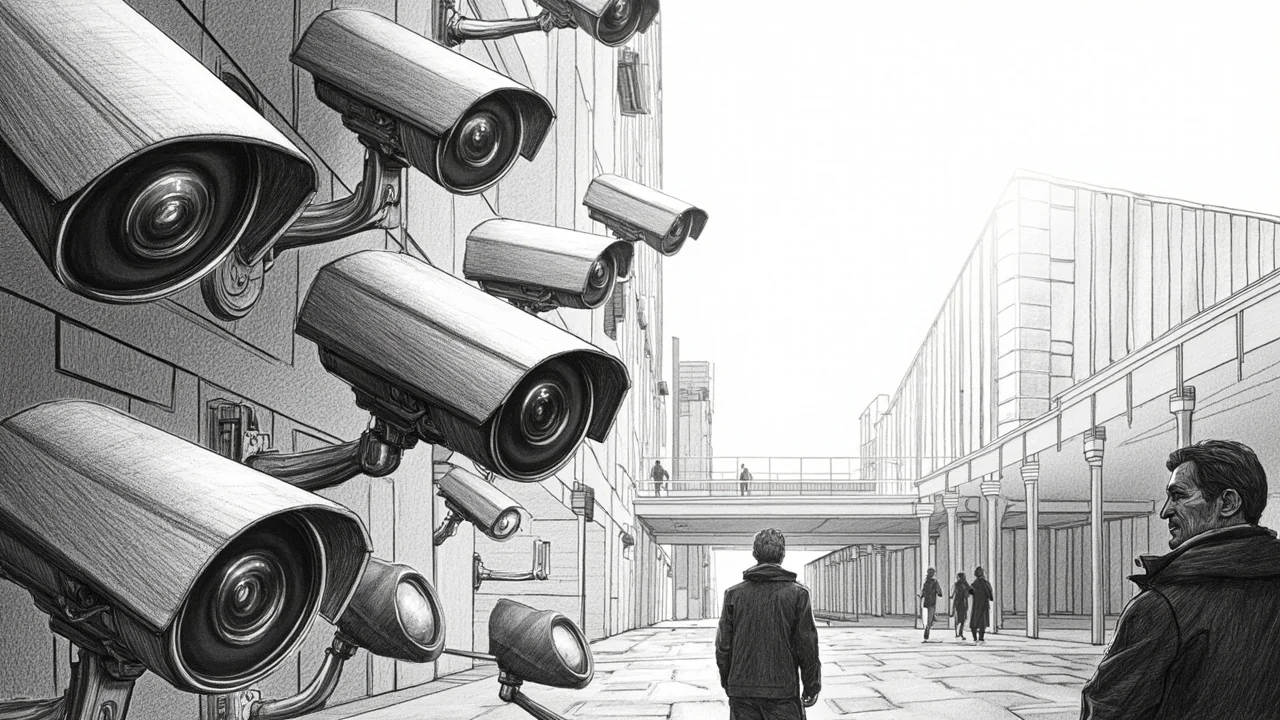
Norway's premier technical university has reported a major data breach to national authorities. Surveillance cameras in lecture halls at the Norwegian University of Science and Technology (NTNU) were openly accessible online for over six years. The breach allowed anyone connected to the university's Eduroam network to view and potentially control cameras in teaching facilities. This incident raises serious questions about data protection at one of Scandinavia's most important research institutions.
A Systemic Failure in Digital Security
The breach involved approximately thirty cameras designed for lecture recording. These devices were not isolated on a secure server but were accessible via the open network. Individuals using the Eduroam Wi-Fi system, common across European academic institutions, could locate and access the camera feeds. NTNU has formally reported this incident to the Norwegian Data Protection Authority (Datatilsynet) as a mandatory personal data violation. The university's disclosure indicates the cameras may have been exposed since 2018, a period covering the entire tenure of the current GDPR regulations in Europe.
This is not a case of sophisticated hacking. It represents a fundamental failure in basic network security protocols. The cameras, intended for educational purposes, were left on an unsecured pathway. For six years, students, staff, and visitors on campus Wi-Fi had potential access to live feeds from lecture halls. The implications for student and lecturer privacy are profound. Recorded lectures could contain sensitive discussions, student presentations, or visible personal notes.
The Stakes at Norway's Innovation Engine
NTNU is not just any university. It is Norway's primary engine for engineering, technology, and natural sciences education. Its research is critical to national priorities like offshore wind, carbon capture, and sustainable energy. The university handles sensitive research data and intellectual property worth billions of kroner. A breach that exposes basic infrastructure calls into question the security of more valuable digital assets.
The timing is particularly damaging. Norway is positioning itself as a global leader in ethical technology and secure digital innovation. The government's recent Long-Term Plan for Research and Higher Education emphasizes digital security as a pillar of national competitiveness. A flagship institution failing to secure its own surveillance cameras undermines this narrative. It provides a stark contrast to the high-trust, high-security image Norwegian authorities promote.
Legal Repercussions and GDPR Compliance
The breach places NTNU in direct violation of the European Union's General Data Protection Regulation (GDPR). Norway, while not an EU member, is part of the European Economic Area and fully implements GDPR through its own Personal Data Act. The Data Protection Authority has the power to impose significant fines for such violations. Fines can reach up to 4% of an organization's annual global turnover or 20 million euros, whichever is higher.
For a public university, financial penalties are only part of the consequence. The reputational damage could affect international collaborations and student recruitment. The central question for Datatilsynet will be whether this was a one-time oversight or a symptom of broader systemic neglect. Investigators will examine the university's data protection impact assessments, its protocols for network device management, and its internal audit processes. A six-year exposure period suggests multiple layers of control failed.
The Human Element of Digital Surveillance
Beyond legal compliance, this incident touches a nerve in Norwegian society. Norway has a complex relationship with surveillance. The population generally trusts public institutions, but there is deep skepticism towards unnecessary monitoring. The country debated facial recognition technology extensively before implementing strict limits. Cameras in lecture halls, ostensibly for recording lectures, create a permanent record of academic activity.
Students and lecturers have a reasonable expectation of privacy within an educational setting. A spontaneous question, a moment of confusion, or a private conversation before class starts—all could be captured and exposed. The breach transforms these cameras from educational tools into potential instruments of intrusion. It violates the principle of "forskerfrihet," or academic freedom, which includes a safe environment for open inquiry.
A Test for Institutional Transparency
NTNU's next steps will be closely watched. The university must now demonstrate full transparency. It needs to answer several critical questions publicly. Which specific campuses and lecture halls were affected? How many individuals potentially accessed the feeds? Did any unauthorized access or recording occur? The university must also outline concrete steps to prevent recurrence.
This involves more than just fixing a network setting. It requires a cultural shift towards prioritizing data security as a core academic value. Researchers often prioritize open access and collaboration, which can sometimes conflict with strict data containment. NTNU must find a balance that protects personal privacy without stifling academic work. This likely means increased training, dedicated IT security staff for research projects, and regular external audits.
Broader Implications for Norwegian Academia
The NTNU breach serves as a warning to every university and college in Norway. If a well-resourced, technical university can make such a basic error, others are likely vulnerable. The Eduroam network connects institutions across the country. A weakness at one point could potentially be exploited to access resources at another. The Norwegian Agency for International Cooperation and Quality in Higher Education (DIKU) may need to issue new guidelines for institutional IT security.
The incident also highlights a potential gap in national oversight. The Data Protection Authority reacts to breaches, but is there sufficient proactive guidance for the academic sector? The Norwegian Ministry of Education and Research may need to work with Datatilsynet to develop sector-specific security standards. These standards must account for the unique needs of academic environments, where thousands of users and devices connect daily.
Looking Ahead: Restoring Trust
For NTNU, the path forward involves technical fixes, organizational change, and public accountability. The university leadership must communicate clearly with its students, staff, and the public. It should commission an independent review of its entire data security posture, not just its cameras. The findings of the Data Protection Authority's investigation will be crucial. A lenient response might suggest systemic issues are tolerated. A strong, corrective response could force necessary reforms across the sector.
This breach is a story about more than unsecured cameras. It is a test of Norway's commitment to being a responsible digital society. Can its leading institutions practice the security they preach? The answer will affect international trust in Norwegian research and education. The lecture halls of NTNU should be places where future solutions are born, not where past mistakes are on display for anyone to see. The university now has a duty to ensure its digital walls are as strong as its academic reputation.