
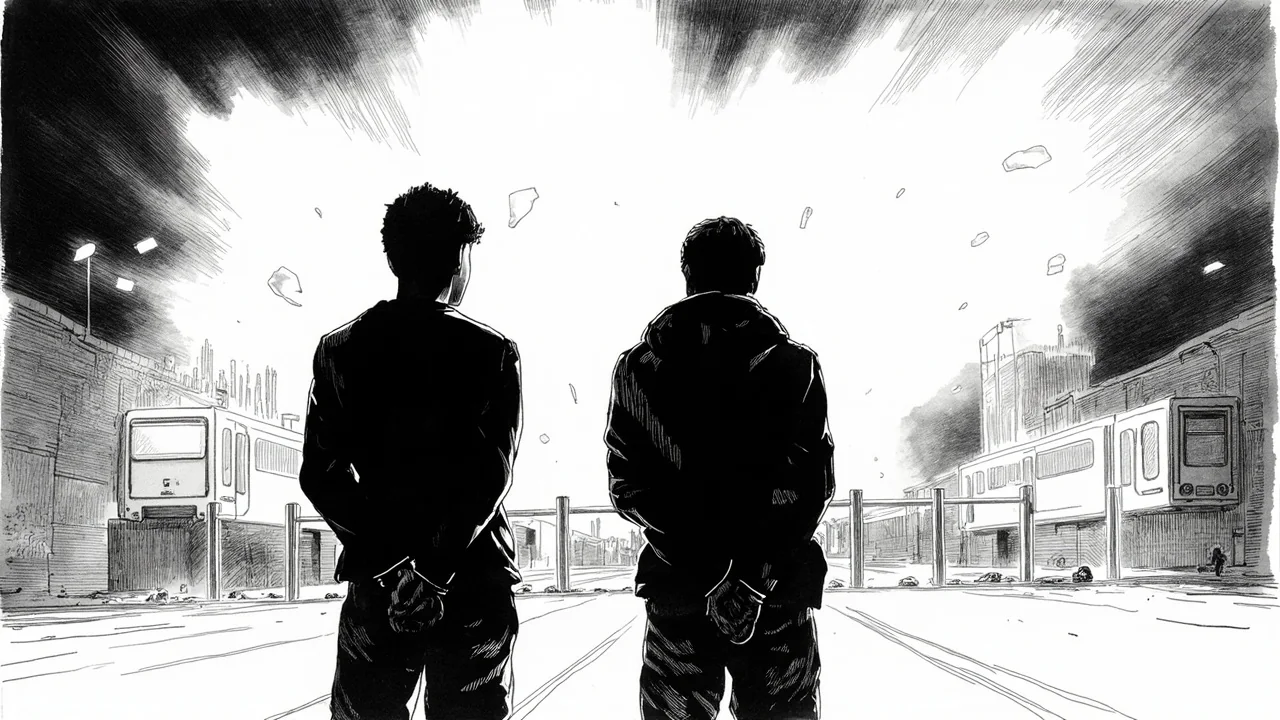
Norway police arrested two teenage men after a man in his 30s was kicked in the face at the Åsane terminal bus station in Bergen. The victim received treatment at an emergency clinic. The Vest police district received the report at 3:13 AM, highlighting a late-night incident that challenges perceptions of public safety in one of Norway's largest cities. This assault at a major transport hub raises immediate questions about security in urban centers and youth violence trends.
A Late-Night Assault at a Transit Hub
The attack occurred at the Åsane terminal, a critical public transport nexus in northern Bergen. As a bus and light rail interchange, it serves thousands of commuters daily. Its function as a 24-hour transit point means it is often active during late hours, a time when staffing and security presence may be reduced. The specific circumstances leading to the confrontation remain under police investigation. Authorities have not released details about whether the individuals involved knew each other or what sparked the violence. The prompt police response, arriving after the 3:13 AM call, indicates a swift reaction to the reported crime.
Such incidents in highly visible public spaces generate disproportionate public concern. They disrupt the expected social contract of safety in shared infrastructure. For regular users of the Åsane terminal, news of a violent assault can transform a routine space into one associated with risk and vulnerability. The psychological impact of crime in transit areas extends far beyond the immediate victim, affecting community trust and mobility patterns.
Examining Trends in Norwegian Urban Safety
While Norway consistently ranks among the world's safest countries, isolated violent episodes in cities like Bergen, Oslo, and Trondheim prompt national introspection. The involvement of teenagers as suspects in a serious assault aligns with ongoing discussions among criminologists and policymakers. They are examining shifts in youth behavior, group dynamics, and the influence of social media on conflicts. Serious physical violence remains statistically rare, but its occurrence in public spaces demands a focused response.
"Every violent incident is one too many, and attacks in public spaces are particularly damaging to the collective sense of security," said a senior analyst with the Norwegian Police University College, speaking on general trends. "The focus must be on targeted prevention work, understanding the root causes of conflict among young people, and ensuring visible, effective policing in key locations." This expert perspective underscores the balance Norway seeks between maintaining its low-crime reputation and addressing real vulnerabilities.
Police districts across Norway employ various strategies, from community policing initiatives to targeted patrols in nightlife districts. The effectiveness of these measures often depends on local resources and specific urban challenges. Bergen, with its dense central areas and vibrant student population, faces unique policing needs compared to other regions. The Vest police district's handling of this case will be scrutinized as part of broader evaluations of urban safety strategy.
The Legal Framework and Juvenile Justice
The arrest of two individuals in their late teens places this case at the intersection of adult criminal law and considerations for young offenders. Norwegian law allows for prosecution as adults from the age of 15, but the justice system strongly emphasizes rehabilitation, even for serious crimes. Sentences for violence resulting in bodily harm can range from significant fines to imprisonment, depending on the severity, intent, and circumstances.
A conviction for kicking someone in the face, causing injury requiring emergency treatment, would typically lead to a custodial sentence. The court would consider factors like premeditation, the vulnerability of the victim, and the public nature of the assault. The legal process will aim to establish accountability while also examining the background of the accused, a dual approach characteristic of the Norwegian model.
This case will proceed through the standard judicial pipeline: police investigation, potential charges from the prosecuting authority, and possibly a court trial. The victim will have rights to support and information throughout the process. The outcome will contribute to the ongoing debate about whether Norway's rehabilitative focus is sufficient deterrent for violent street crime.
Community Impact and the Path Forward
Incidents like the Åsane terminal attack resonate deeply because they threaten everyday life. Public transport hubs are the lifeblood of a sustainable city, and their perceived safety is non-negotiable for public adoption. Local politicians in Bergen will face questions about lighting, camera surveillance, and security patrols at major terminals. Transport company Vy and the local Skyss network may review their own security protocols and collaboration with police.
The true test for Bergen and similar Norwegian cities lies in their response. Will this lead to a short-term increase in police presence at Åsane terminal, or a long-term revision of safety planning for urban transit nodes? Effective strategies often combine physical security measures with social outreach programs aimed at the youth demographic most frequently involved in such altercations.
Norway's high trust in public institutions means citizens expect a competent, transparent response from both police and municipal authorities. Communication about the investigation's progress and any resulting safety improvements will be crucial in maintaining that trust. The goal is to prevent a single violent event from fostering a lasting climate of fear, which itself can be more corrosive to community well-being than the original crime.
As the investigation continues, the fundamental question remains: can Norway's cities preserve their renowned openness and safety while honestly confronting the realities of urban violence? The answer requires more than policing; it demands a continued commitment to the social cohesion that has long been the nation's best defense against disorder.