
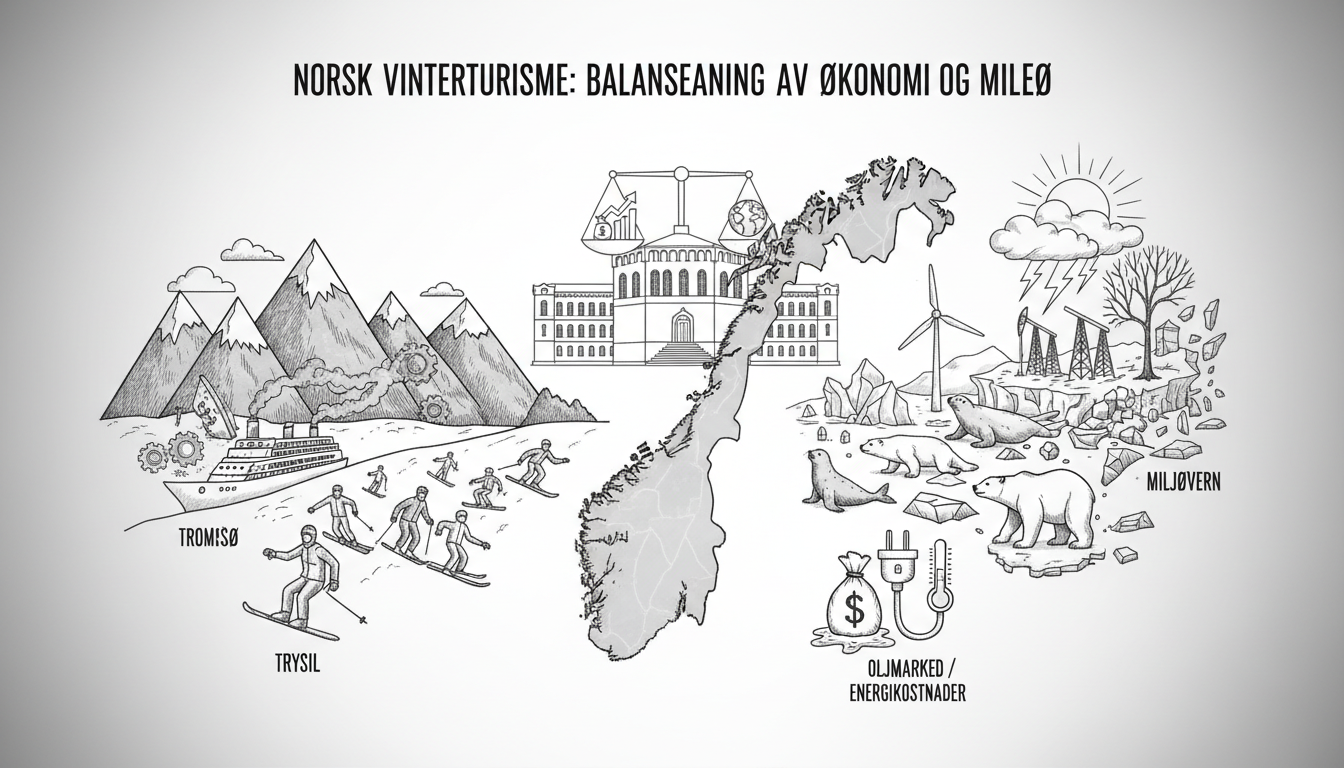
Norway's winter tourism sector is preparing for another strong season. Destinations from Tromsø to Trysil are central to regional economies. This industry now operates under increased political and environmental scrutiny. The Storting continues to debate the balance between economic development and sustainability. Key figures in the government highlight tourism's role in diversifying beyond oil. They also acknowledge the pressure on fragile Arctic ecosystems.
Popular resorts like Hemsedal and Trysil report consistent visitor numbers. The Northern Lights viewings in Tromsø remain a major international draw. These activities generate crucial revenue for local municipalities. They also create year-round jobs in regions often dependent on seasonal industries. The revenue helps fund public services from schools to infrastructure.
However, this growth is not without its critics. Environmental groups point to the carbon footprint of increased air travel. They also cite strain on local resources in remote communities. Some parliament members question if expansion is sustainable long-term. They call for stricter regulations on new resort developments. This is especially true for projects near protected fjords or sensitive Arctic terrain.
The government's recent white papers on regional development emphasize 'value over volume'. The goal is to attract tourists who stay longer and spend more locally. This strategy aims to reduce environmental impact per visitor. It also seeks to spread economic benefits more evenly across the country. Initiatives include promoting lesser-known destinations in Finnmark or along the Helgeland coast.
Energy costs present another challenge for the sector. High electricity prices, linked to European market exports, affect ski lift operations and hotel heating. Some resort operators have publicly called for more predictable domestic energy policies. They argue tourism is a national asset that requires stable operational conditions. This ties directly into broader debates about Norway's energy surplus and market priorities.
Looking ahead, the industry's success hinges on several factors. First, maintaining Norway's reputation for pristine, well-managed natural environments. Second, adapting to a market increasingly concerned with climate impact. Third, navigating the political landscape where every kroner invested is weighed against other national needs like healthcare or defense. The winter guide for the coming season will be read not just by tourists, but by policymakers in Oslo measuring the sector's true cost and value.
From a political perspective, winter tourism is a microcosm of Norway's central dilemma. The country must steward its natural capital while funding a generous welfare state. The snow-covered mountains and fjords are both a playground and a pantry. How Norway manages this balance will define its identity long after the oil era.