
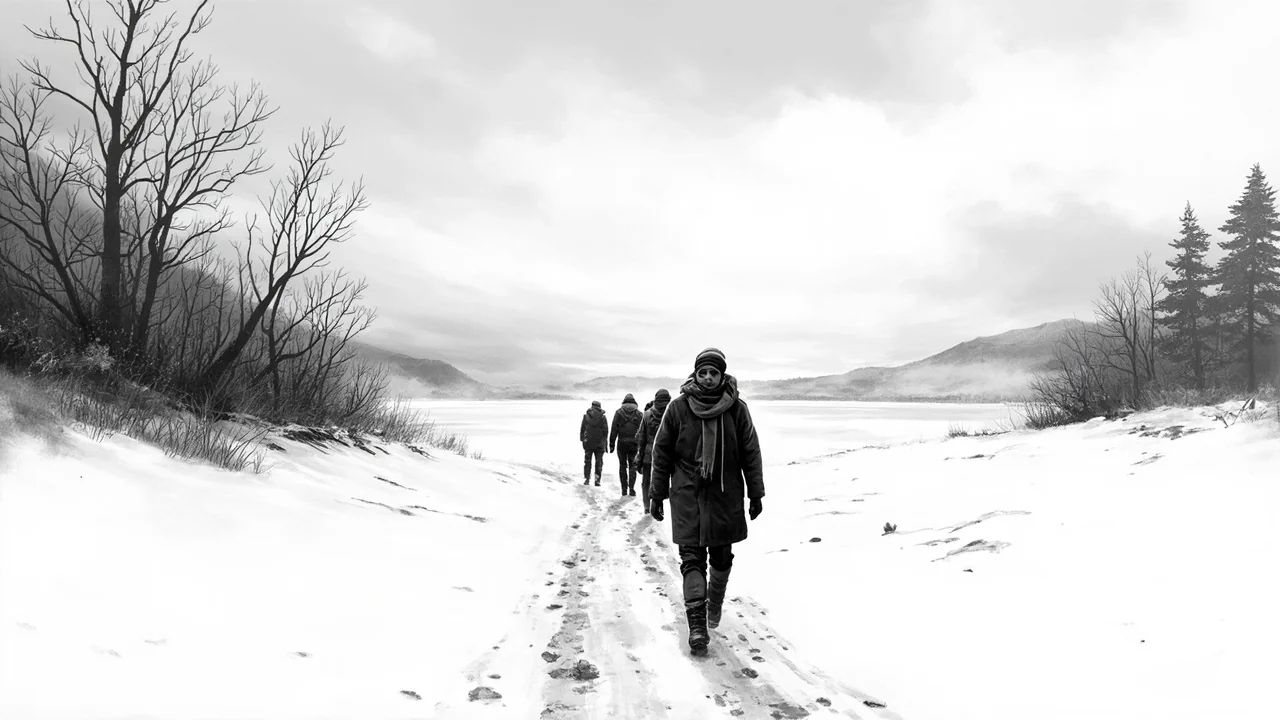
Norway is experiencing its coldest start to a year since 2010, with extreme lows gripping the nation. Temperatures in Karasjok plunged to -41.4°C, a reading not seen there since 2017. The Norwegian Meteorological Institute confirms this January ranks as the tenth coldest on record nationally. The deep freeze presents a stark contrast of intense beauty and significant risk across southern and central regions.
While the sun shines brightly over a snow-dusted South Norway, the air remains bitingly cold. Major cities will see temperatures between -10°C and -15°C this weekend. This clear, frigid weather creates perfect conditions for winter sports, but also demands careful preparation and heightened awareness of nature's dangers.
Historical Lows in the North
The cold has been most severe in the northern county of Finnmark. The -41.4°C recorded in Karasjok early Friday morning sent a shock through the national weather system. Meteorologists note such extremes test infrastructure and personal resilience. This temperature is more than just a number. It represents a tangible, physical force that impacts everything from car engines to human lungs within minutes of exposure.
While the north routinely expects harsh winters, this specific intensity has been absent for seven years. The cold air mass settled over Scandinavia shows remarkable stability. It acts like a deep, frozen lid on the landscape. Experts point to specific high-pressure systems and wind patterns for this sustained chill. The nationwide average temperature for the period solidifies its place in modern meteorological history.
Skiing on a Snow-Covered Razor's Edge
In Oslo and surrounding areas, the Ski Association reports enthusiastic trail grooming. Packed forest roads now offer cross-country skiing from Krokohol in the south to Mylla in the north. Some trails are even track-set. The combination of fresh snow from earlier in the week and brilliant sunshine creates an irresistible call to the outdoors. Association officials describe near-perfect, crisp conditions for classic skiing techniques.
However, the association delivers a crucial warning alongside its optimistic reports. Conditions are described as "skrinne," meaning a thin, hard, and sparse snow cover. The distance to the ground below is minimal. "The skis you got for Christmas should still stay in the shed. Use your old ones if you have them," the association advised in a public statement. New, expensive skis risk severe damage from hidden rocks and gravel.
Trail manager Kristine Grønlund emphasized the challenging base. "We are good at preparing trails with little snow. But remember the snow is light, and be careful on downhill sections. Feel free to take off your skis. I do," she said. This practical advice highlights the adaptive, experienced approach Norwegians take to variable winter conditions. Groomers are working tirelessly, with snow production running at full capacity to extend and open more trail loops.
The Hidden Dangers Beneath the Ice
The cold has accelerated ice formation on lakes and fjords across eastern Norway. According to public safety websites, the growth has been significant. Yet, the recent snowfall now blankets that new ice, creating a deceptive and dangerous situation. The snow insulates the ice from further freezing and hides cracks, thin spots, and structural weaknesses. It becomes impossible to visually assess the ice's thickness or quality.
Most medium and large lakes at lower altitudes remain largely ice-free. The process of freezing has only just begun. Experts expect ice to continue growing, but the insulating snow layer will slow the process considerably. The fundamental rule of ice safety is recalled: ice is often thinnest the farther you move from shore, as freezing begins at the land's edge. Deep bodies of water freeze slowest, making small, shallow lakes the safest potential options.
Authorities are taking no chances. On Kadettangen outside Sandvika in Bærum, the Norwegian Society for Sea Rescue has stationed a hovercraft. Its purpose is to provide rapid assistance if anyone falls through the ice. This rescue craft will be on standby every weekend in January and parts of February. This proactive measure underscores the serious risk the beautiful, frozen surfaces present.
Economic and Municipal Pressures
The extreme weather also strains municipal resources and budgets. The source material notes that Bærum municipality, for economic reasons, has scaled back some services. This is a subtle but important point. Intense cold increases costs for road maintenance, emergency services, and public welfare checks. It highlights the difficult balance local governments must strike between public safety and financial sustainability, especially in prolonged cold spells.
The economic impact is multifaceted. While winter tourism and sports retailers may benefit, public transit faces delays, energy consumption soars, and infrastructure is stressed. The cost of deploying specialized rescue teams, like the hovercraft unit, is substantial. These decisions are weighed against the statistical likelihood of incidents and the paramount importance of preserving life.
A Cultural Embrace of the Elements
Despite the risks, this weather is fundamentally woven into the Norwegian relationship with nature. The Ski Association's cheerful reminder—"It's not only at Easter that you can pack oranges and chocolate in your backpack"—speaks volumes. It is an invitation to embrace the winter day as a spontaneous holiday. The tradition of a "skitur" (ski trip) with a backpack carrying simple refreshments is a cherished national pastime.
This deep-seated cultural comfort with winter does not equate to complacency. It is a competence built on generations of experience and a firm respect for nature's power. The public messaging this weekend perfectly encapsulates this duality: enthusiastic encouragement to get outdoors, paired with clear, specific, and non-negotiable safety advice. The message is to enjoy, but to do so with preparation, the right equipment, and a cautious mind.
Looking Ahead: A Pattern of Extremes?
Meteorologists will watch to see if this cold snap is an isolated event or part of a broader pattern. As climate change progresses, weather variability often increases. This can manifest as both unseasonable warmth and pockets of intense, record-breaking cold. The tenth-coldest start to the year on record is a significant data point in that larger, global conversation.
For now, the focus remains on the immediate forecast and public safety. The clear skies over South Norway promise stunning winter vistas. The fresh snow on the trails offers a chance for recreation and joy in the sunlight. Yet, the relentless cold beneath that sun demands respect. It is a weekend for woolen layers, for old skis, for caution on the ice, and for hot drinks from a thermos after appreciating the fierce, frozen beauty of a Norwegian winter operating at its most potent.
The week's conditions serve as a powerful annual reminder. In Norway, winter is not merely a season one observes from a window. It is an environment one navigates, prepares for, and ultimately learns to enjoy—but only with the proper knowledge and a deep-seated respect for its formidable power. This weekend, that balance between enjoyment and safety is more critical than ever.